Agree a Building Set’s Shared Return Position
Agree a building set’s shared return position before play spreads into another household task, separating unused pieces from any construction the family chooses to keep.
Shopping note: The retailer links in this article are ordinary links. We are not currently using affiliate tracking. If a link earns us a commission in the future, we will label it. Our disclosure.
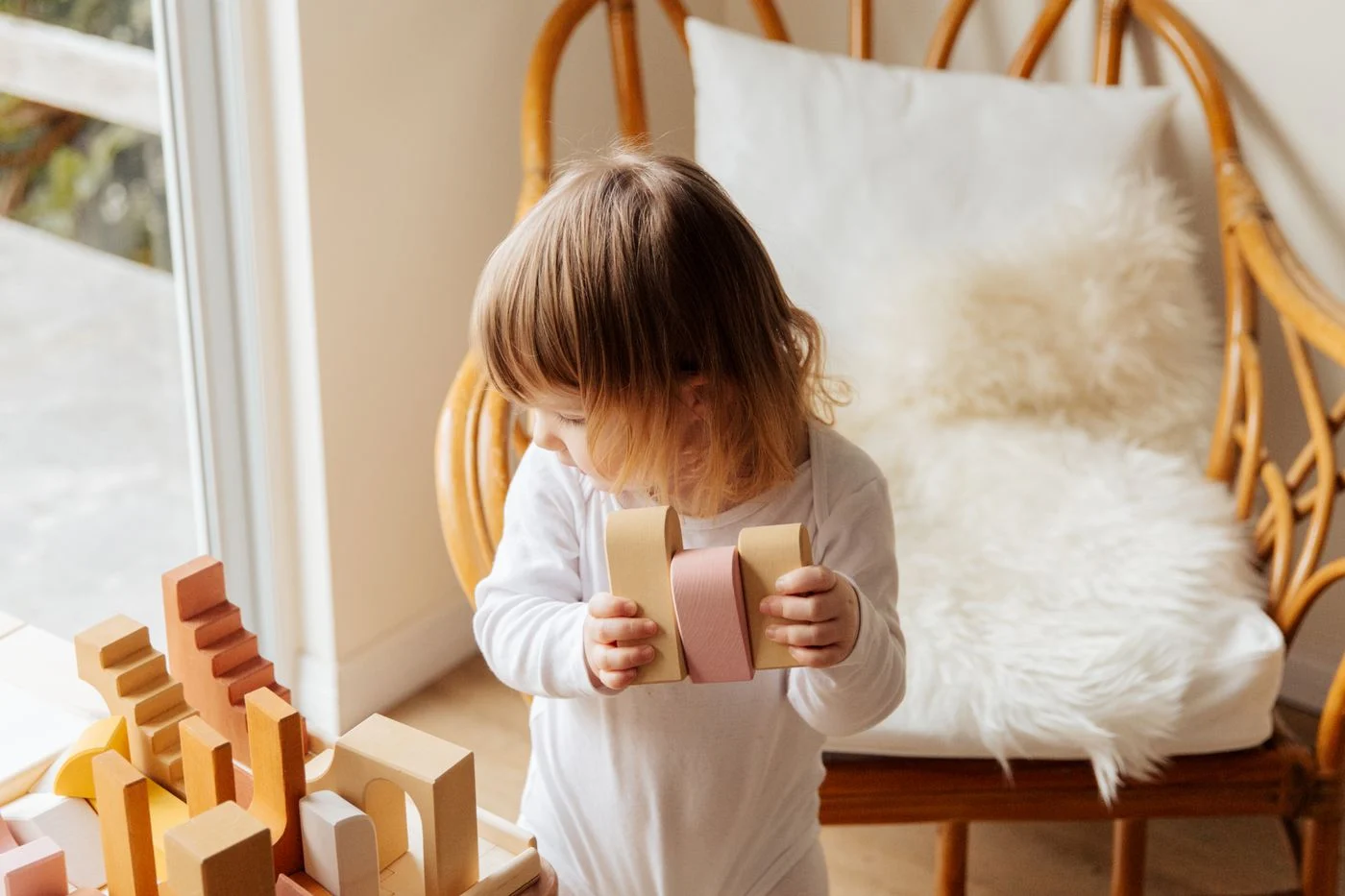
A building set can have two different endings: a construction is kept for another session, while the unused pieces return to storage. Agree those endings before the whole room becomes a temporary display. This gives the family a practical way to pause without leaving every component in the route to dinner or bedtime.
Identify the actual set
Keep the product's supplied information and intended components associated with it. Follow the manufacturer's age, use and storage guidance, with appropriate supervision for the participants. Different building sets are not interchangeable collections merely because their colours look similar.
Check whether the set is borrowed or owned. A borrowed group may need a particular return record and complete component arrangement. Keep that responsibility clear before mixing its pieces into another household collection.
Choose a suitable return position
Place an appropriate container where it can be used without obstructing ordinary room routes or doors. Keep the position stable and accessible to the intended responsible user. A storage box that is difficult to reach can turn every clear-up into another furniture-moving task.
Leave enough space around the container to gather the pieces appropriately. Do not choose a narrow doorway patch merely because the empty box fits there. The return needs a usable movement as well as a final stored rectangle.
Discuss the construction separately
Ask whether someone wants to keep the current build and whether an appropriate pause position is available. Preserve that choice honestly rather than promising indefinite display space the household does not have. A small agreed area can support another session without protecting the entire floor as though nothing may move.
If the work cannot remain, discuss another suitable ending. A personal photograph may be wanted as a memory, but ask before taking or sharing it. A photograph does not have to replace the maker's preference or become proof that dismantling no longer matters.
Close the unused group clearly
Return the remaining components according to the set's guidance and check the immediate activity area. Keep a missing, damaged or separately held piece identified rather than hiding the question inside the ready container. The next session should not begin by rediscovering an unresolved issue.
Put the container in its agreed home and leave the room's ordinary route usable. If a paused build remains, make its next review or session clear enough that another adult understands the arrangement.
After several uses, notice where the return repeatedly slows down. The container may be too crowded, the pause decision may come too late or the set may occupy too much active space at once. Change that specific part. A clear shared return position supports play and the rest of family life without requiring an immaculate room or a new organiser after every activity.
Related reading
Keep Borrowed Building Pieces With Their Own Instructions, Keep a Playroom Building Area Clear Without Hiding Every Toy.