Pack a Weekend Outing Bag Around the Trip You Are Actually Taking
A practical packing guide for park visits, library afternoons and short family outings, without carrying a second household.
Shopping note: The retailer links in this article are ordinary links. We are not currently using affiliate tracking. If a link earns us a commission in the future, we will label it. Our disclosure.
Start with the real day
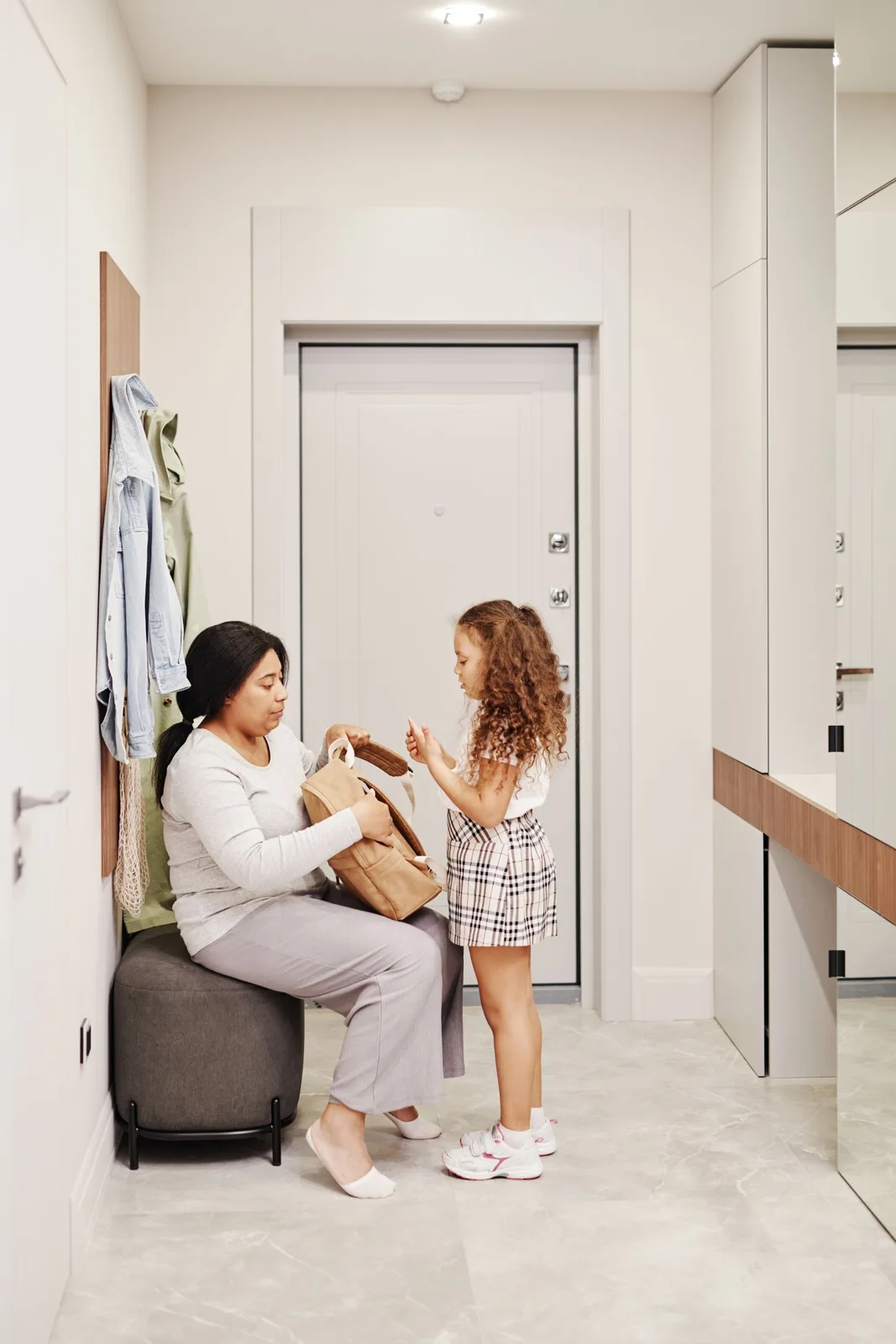
A Saturday outing can be short and still generate a remarkable pile beside the door. There is a jacket, a book to return, something to eat and an extra item for the possibility that the afternoon becomes longer. A useful outing bag begins by defining the actual trip. Two hours at the library and a full day outdoors require different preparation. Packing for every hypothetical detour makes an ordinary afternoon harder to carry.
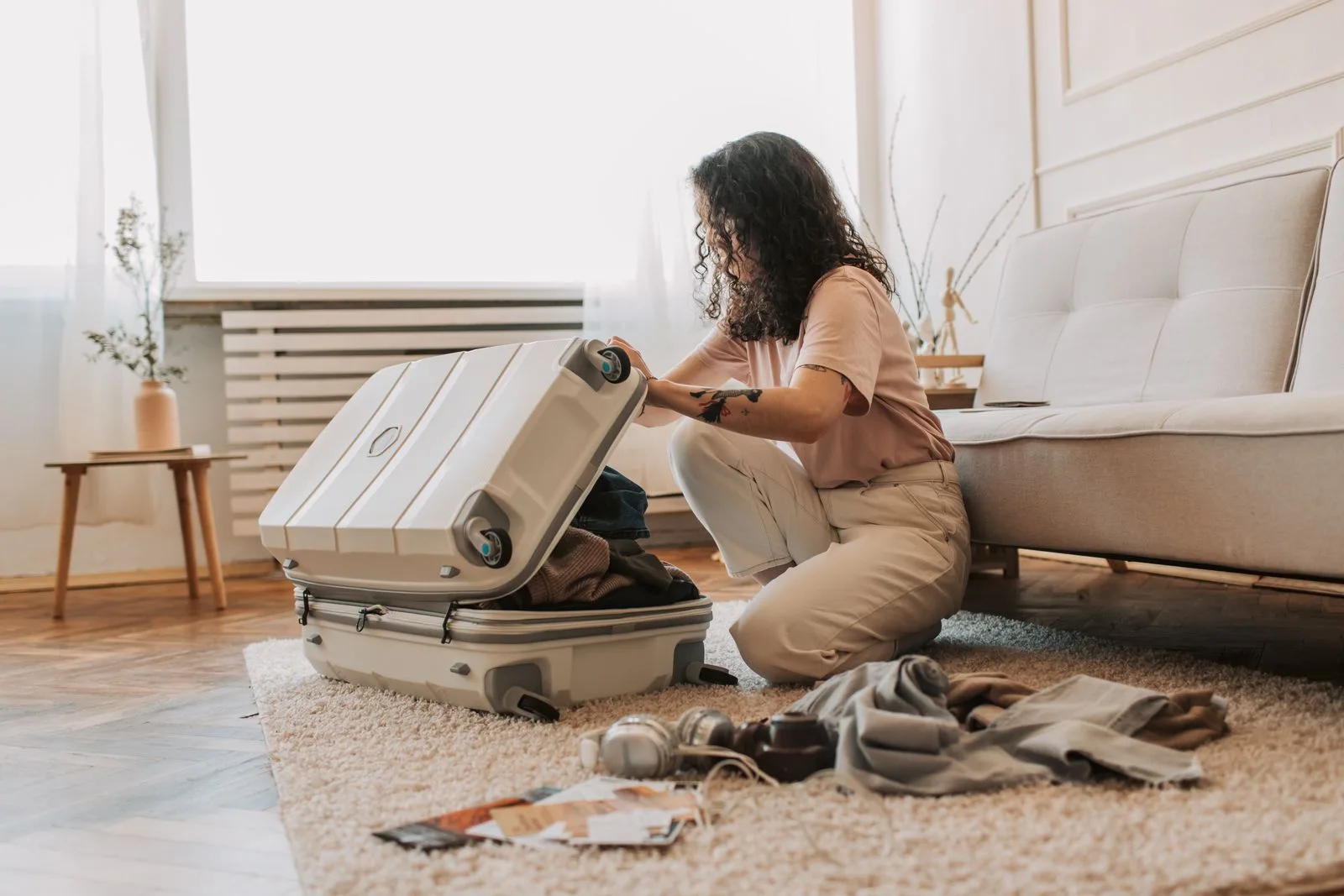
Write down the destination, expected duration and the facilities you know are available. Check official venue information when it matters, including bag policies and opening times. Then consider the return journey. If you will walk home with tired children or use public transport, the bag needs to remain manageable after it collects a craft project or a purchased item. Empty space can be more useful than another accessory.
Use three small groups
Divide the contents into things needed during the journey, things used at the destination and items for the trip home. Tickets or a transit card should not sit underneath a change of clothes. A small pouch can keep adult essentials easy to reach, while one larger compartment holds the softer items. The point is retrieval, not achieving a perfectly arranged photograph every time the bag opens.
Choose what your household actually uses. A spare layer may be sensible for the planned weather; three alternative outfits may simply add weight. Follow venue rules and product instructions for anything you bring. Food, drinks and child-specific items should match your family’s ordinary needs and any relevant professional advice. This guide focuses on the bag and the packing workflow, rather than replacing guidance for a child’s particular care requirements.
Plan the unpacking before you leave
An outing bag becomes frustrating when last week’s contents remain inside it. Give returned library books, washable items and rubbish an obvious destination when you get home. Leave only items that genuinely belong in the bag. A pouch that comes out as a unit is easier to check than loose objects that disappear into the lining. Let the bag dry fully if it becomes damp, following its care instructions.
Keep a short reusable packing list near the storage spot. It can be as simple as destination item, weather layer, adult essentials and return check. Add an item when experience shows it is repeatedly useful; remove it when it repeatedly comes home untouched. That approach produces a bag suited to your routes. It also makes it easier for another adult to pack without requesting a full verbal briefing.
Choose a bag for the load and the route
A wide tote is easy to load and can hold awkward books, but it leaves one shoulder doing more work. A backpack frees hands but can make small items harder to reach. Compare the closures, handle length and empty weight before buying. If possible, try the bag with a representative load, keeping the retailer’s return conditions in mind. Think about where it will sit at the destination, including damp grass or a narrow café chair.
Avoid buying a large organizer insert before you know the bag’s dimensions and how you use it. Inserts can add structure, but they also take up space and contribute weight. Start with a pouch you already own. Spend where a current bag causes a specific problem, such as a closure that will not stay shut or straps that do not suit your route. A new bag should simplify carrying the outing, not create a new collection of things to pack.
A short checklist to keep
Keep these decisions somewhere useful rather than turning them into another elaborate system. For this project, the most important comparison is between what already works and what a purchase would actually change. Keeps hands available during a walking outing. Small contents can sink into a deep main compartment. That tradeoff is worth weighing before choosing the everyday backpack simply because it appears in an attractive room or outfit.
An alternative is to focus on the washable packing pouch. Groups loose items so they move between bags together. Extra pouches add weight and require cleaning. Compare the two jobs instead of assuming both purchases are necessary. Start with the option that addresses the repeated inconvenience you have identified. When neither problem is happening in your household, keep using what you have. A buying guide should make it easier to decide against an unnecessary purchase as well as help you choose a useful one.
- Check the destination’s current visitor information.
- Put journey essentials within easy reach.
- Leave room for the return trip.
- Empty and reset the bag after the outing.
Shop with a purpose
Options to consider
These are research starting points, not hands-on test results. Compare current specifications, dimensions, care instructions, return terms, and availability with the retailer before buying.
Everyday backpack
Keeps hands available during a walking outing.
The tradeoff: Small contents can sink into a deep main compartment.
Explore at the retailer ↗Washable packing pouch
Groups loose items so they move between bags together.
The tradeoff: Extra pouches add weight and require cleaning.
Explore at the retailer ↗A few common questions
Do I need to buy everything mentioned?
No. Begin with what you own, then choose only the item that solves a specific problem. The everyday backpack and washable packing pouch have different jobs; neither is a requirement for following the advice.
What should I compare before ordering?
Check dimensions or garment measurements where relevant, current care and use instructions, delivery charges and return conditions. In particular, remember this tradeoff: Small contents can sink into a deep main compartment. Use the retailer’s current information rather than assuming a photograph answers those questions.