Keep Borrowed Building Pieces With Their Own Instructions
Keep a borrowed building set linked to its own instructions and components, confirming the loan and suitable use before pieces merge into the household’s existing toy groups.
Shopping note: The retailer links in this article are ordinary links. We are not currently using affiliate tracking. If a link earns us a commission in the future, we will label it. Our disclosure.
Identify the loan before play begins
A borrowed building set can contain pieces that resemble equipment already in the home. Begin by identifying the actual set, its instructions and any agreed return arrangement with the owner. Do not assume that familiar-looking components belong to the same collection or can be mixed without consequence.
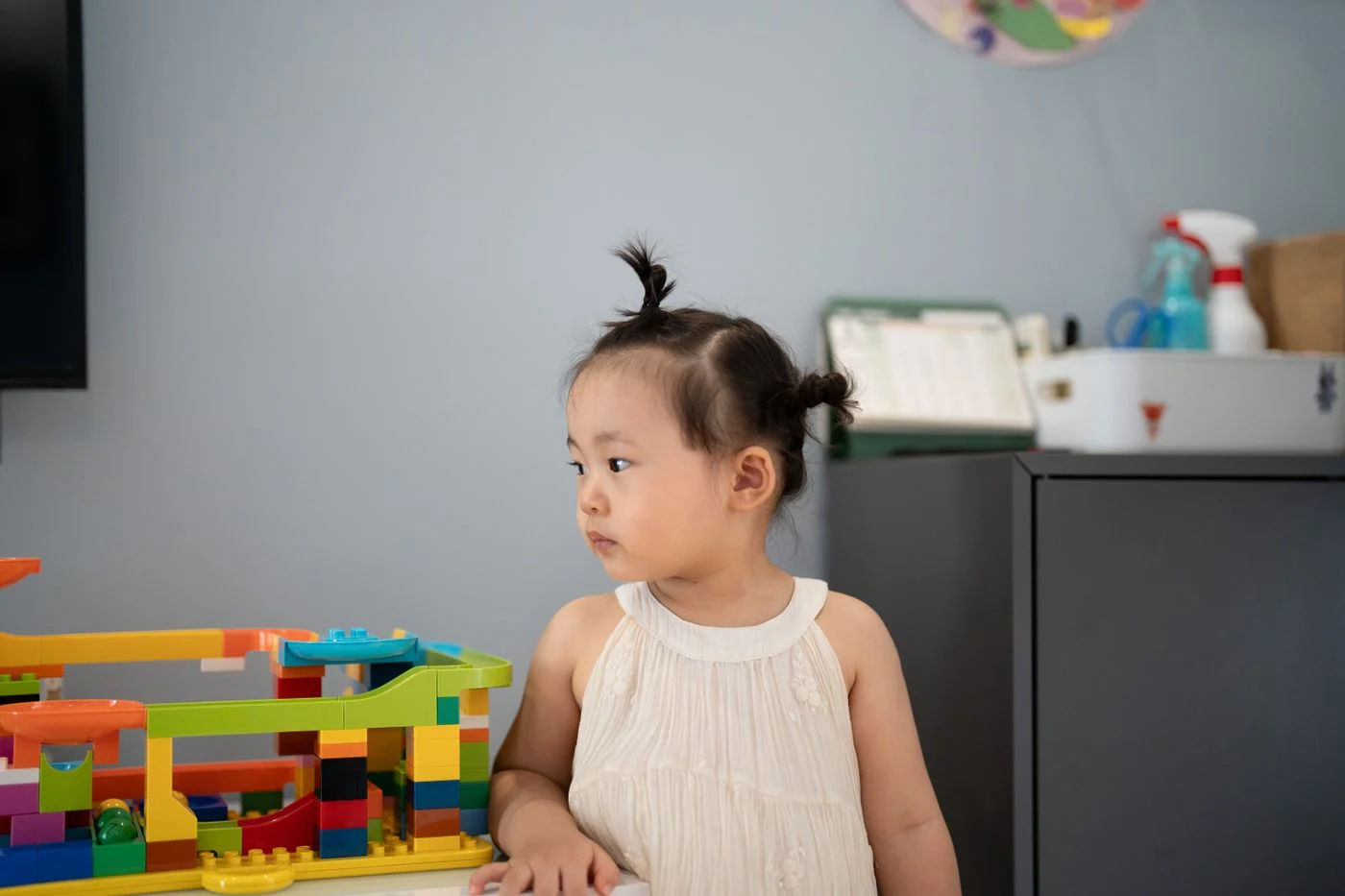
Keep product identity and suitability clear. Use the actual age, safety, supervision and handling information for the real people and setting. A photograph of a child beside blocks is illustrative, not evidence that every set suits every child or activity.
Keep a bounded component group
Choose suitable storage for the loan according to the equipment's requirements. It should remain distinguishable from unrelated household toys during the visit. A separate appropriate container or agreed area can be enough without permanent labels or modifications.
Do not mark borrowed pieces, alter packaging or add attachments without the owner's agreement. A private note identifying the set and associated materials may provide the clarity needed for a short loan. The aim is to preserve the actual group, not redesign someone else's storage system.
Use the correct instructions
Keep the genuine instructions with the corresponding set or a reliable clearly identified reference available where the product supports it. A similar-looking online picture should not become a substitute for the actual product guidance. Resolve any missing information before a task depends on it.
If the activity includes a chosen model or sequence, distinguish that working reference from the equipment's wider instructions. One unfinished construction does not necessarily account for every component that must return with the loan.
Agree the pause and the finish
When play stops, decide whether the current activity will continue within the loan arrangement or whether the set is returning to storage. Keep small parts and equipment in appropriate conditions, especially where children or pets are present. Do not leave a temporary display in an unsuitable household route.
A shared cleanup should have a clear scope. Returning this loan's pieces is different from sorting every toy in the room. Keep unrelated belongings in their own groups so a generous helping effort does not make ownership harder to understand.
Check the return directly
Before the agreed return, use the product's component information and the owner's arrangement to identify what belongs. Report a missing or unresolved item plainly rather than silently substituting something similar from another set. Do not assume an improvised replacement has the same suitability or identity.
Return the equipment with its necessary reference and appropriate care completed. A bounded loan can make shared play easier without becoming a permanent mixed collection. Clear identity, the correct instructions and an honest return give the owner and borrowing household a common understanding, leaving the activity itself free from avoidable uncertainty about which pieces belong where.
Related reading
Make an Active Toy Collection Easy to Find and Return, Keep a Playroom Building Area Clear Without Hiding Every Toy.