Choose the Current Characters for a Soft-Toy Game
Choose the Current Characters for a Soft-Toy Game. Practical choices for the family routine and belongings you already have.
Shopping note: The retailer links in this article are ordinary links. We are not currently using affiliate tracking. If a link earns us a commission in the future, we will label it. Our disclosure.
Let the current game choose the group
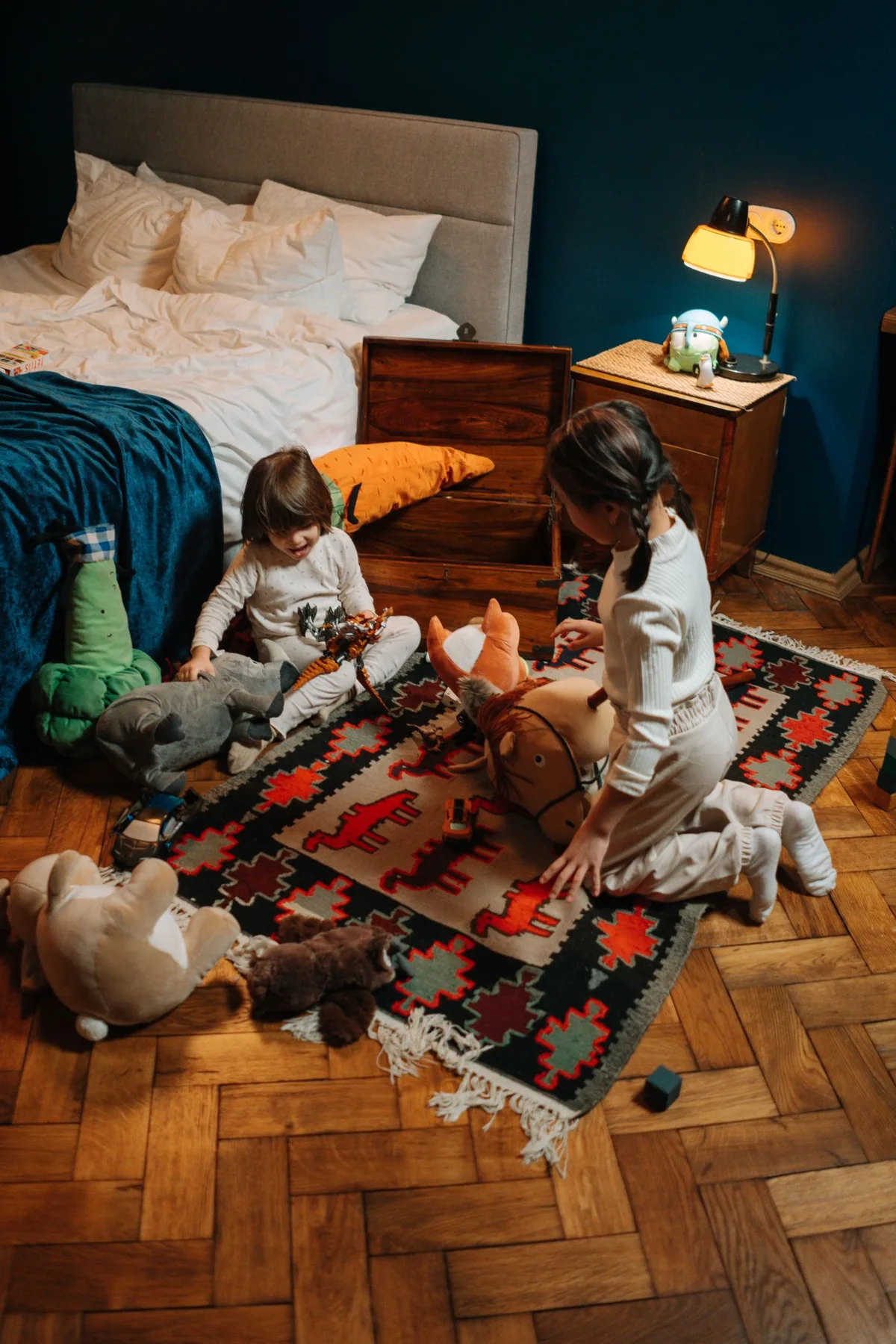
A soft-toy game can become crowded when every character in the collection is brought into the same small space. Ask which suitable toys belong to the story or activity happening now. A modest active group can leave room for play without treating the rest of the collection as unwanted.
Follow the actual toys' age, supervision, care and use requirements. This article does not assess product safety or prescribe a developmental activity. Choose an arrangement appropriate to the actual child and household rather than assuming that a photograph of floor play establishes suitability.
Keep the selection collaborative
Where appropriate, let the child choose the current characters and explain the game in their own terms. The adult does not need to assign a formal role to every toy. A small selection can be flexible, with another suitable character added deliberately if the story changes.
Our active toy collection guide makes returning objects understandable. Apply that clarity without turning an imaginative game into an inventory exercise or requiring a predetermined finished result.
Choose a suitable play area
Consider the actual floor space, room access and household needs. Keep the active game within an appropriate area rather than expanding automatically across every shared route. Follow the relevant furniture and product requirements when other objects become part of the setup.
The family living-room guide supports different uses in one room. A soft-toy game can be one of those uses without claiming the whole room indefinitely or requiring every other person to move around an unfinished display.
Make a pause distinct from finishing
If the game will resume, agree an appropriate way to preserve the current group and any useful story note. Keep that arrangement suitable for the actual toys and household. An open group on the floor should not be assumed ready to remain there through every later room task.
If the activity is finished, say so clearly and begin the suitable return. The difference can be simple, but it helps avoid a collection that remains permanently between playing and storage because nobody knows which stage it has reached.
Return characters without erasing the enjoyment
Gather the active toys through their appropriate care and storage destinations. Keep ownership and any borrowed pieces clear. A return routine can respect the story while still leaving the room available for its next use.
What if the child wants every toy involved? Discuss an appropriate manageable arrangement for the actual space rather than treating a smaller group as a universal rule. What if a character needs care? Keep that stage clear before it rejoins the ready collection. The useful choice is a play setup that supports the current interest and can end understandably, not a perfectly styled toy shelf.