Count Meal Cutlery From the Actual Dishes Being Served
Count meal cutlery from the actual dishes being served, keeping personal utensils separate from shared serving tools before a larger family table is set.
Shopping note: The retailer links in this article are ordinary links. We are not currently using affiliate tracking. If a link earns us a commission in the future, we will label it. Our disclosure.
A larger family table can run short of one utensil while several unused pieces fill the place settings. Count from the actual menu rather than from a formal table picture. Personal eating tools and shared serving tools have different roles, and both need a clear place in the plan.
Read the menu as a set of actions
Name what each dish needs during eating and serving. A bowl may call for a spoon, while another course uses the same suitable personal utensil already available. Do not add another piece automatically just because there is space beside the plate.
Keep the choices appropriate to the actual people at the table. Different household members may use different suitable utensils. A matching appearance should not take priority over a practical piece that someone can comfortably manage.
Count the personal group
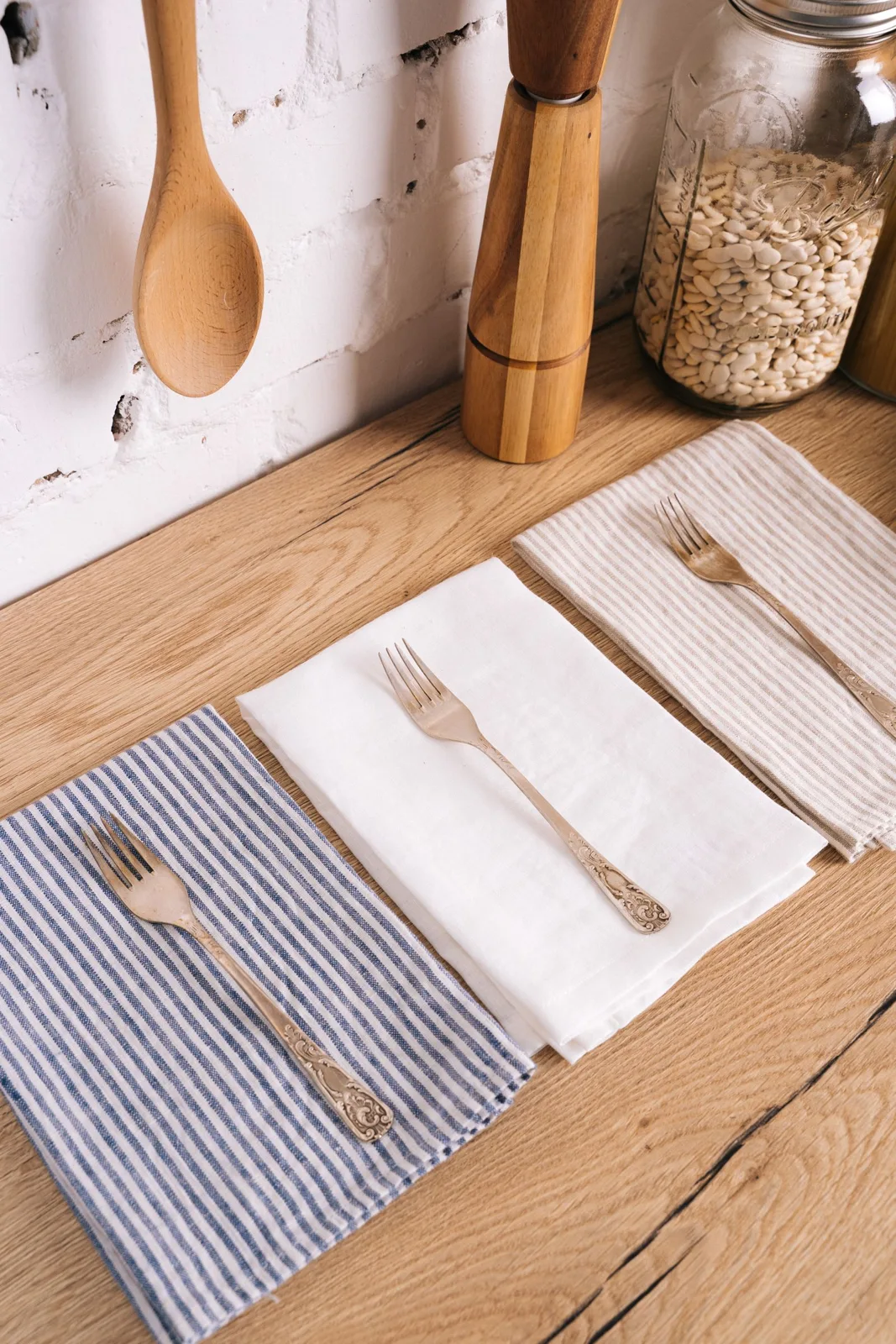
Set out the needed quantity for the confirmed meal group, including the host or person finishing the kitchen task. Check that the pieces are actually clean and ready rather than counting an unopened drawer as evidence that everything is available.
Keep a modest suitable reserve where it can be found if one piece is dropped or another ordinary need arises. It does not have to occupy every place setting. A clear reserve position is more useful than crowding the table with several speculative extras.
Count the serving group separately
Give each shared dish its appropriate tool. A large spoon, ladle or pair of serving utensils can need space beyond the dish's base. Check the actual bowl and food rather than taking the first long-handled object from the drawer.
Keep food contact and materials appropriate, following relevant product guidance. Do not move one used serving tool between dishes casually when their ingredients or handling needs differ. The menu's practical requirements remain more important than completing a matching serving set.
Try one complete place
Sit at a representative position with the actual crockery and utensils. Check that handles can be lifted without catching a glass or crossing into the next person's setting. Include the shared dishes' intended positions so the comparison reflects the table in use.
If the arrangement is crowded, simplify the unnecessary personal pieces or serve some food from a suitable separate surface. Keep the route appropriate rather than stretching over seated people to make a compact layout function.
After the meal, notice which tools were never used and which had to be fetched urgently. Update the next ordinary setting from that evidence instead of repeating the original photograph. A useful count belongs to this menu and these people, with enough ready cutlery for eating and serving without turning the whole drawer into table decoration.
Related reading
Confirm the Guest Count Before Setting a Shared Meal, Use Place Cards to Clarify a Larger Family Meal.