Confirm the Guest Count Before Setting a Shared Meal
Confirm the Guest Count Before Setting a Shared Meal. Practical choices for the family routine and belongings you already have.
Shopping note: The retailer links in this article are ordinary links. We are not currently using affiliate tracking. If a link earns us a commission in the future, we will label it. Our disclosure.
Confirm who is actually coming
A shared meal can acquire extra plates and uncertain portions when the guest count remains a vague recollection of several conversations. Before setting the table, confirm the current attendees through the appropriate people. Keep a tentative invitation distinct from an accepted place so the plan describes the actual gathering. If one adult received the reply, transfer that update to the people preparing the meal instead of expecting them to discover it in an unrelated conversation later.
This guide concerns communication and table preparation, not a universal formula for food quantities or seating. Personal requirements, the menu and the room differ. A clear guest count gives those decisions a reliable starting point without pretending the number alone answers them.
Record names only where they help
A brief appropriate list can make the count understandable, especially when several household members are helping. Keep personal information handled suitably and avoid displaying details unnecessarily. The useful record is the current gathering, not an expanding archive of every invitation ever discussed.
Our place-card guide uses names where they clarify a larger meal. A smaller visit may need no cards at all, but the people preparing it should still know which places are genuinely required.
Ask relevant food questions directly
Confirm actual personal food requirements and preferences through the guests where appropriate. Do not infer suitability from the number of people or a menu used at an earlier visit. Follow authoritative guidance and the actual ingredients' information for the food decisions.
The working recipe guide keeps the selected instructions clear. Keep the guest questions alongside that planning stage so the recipe and current attendees belong to the same understood meal.
Compare the occupied seating arrangement
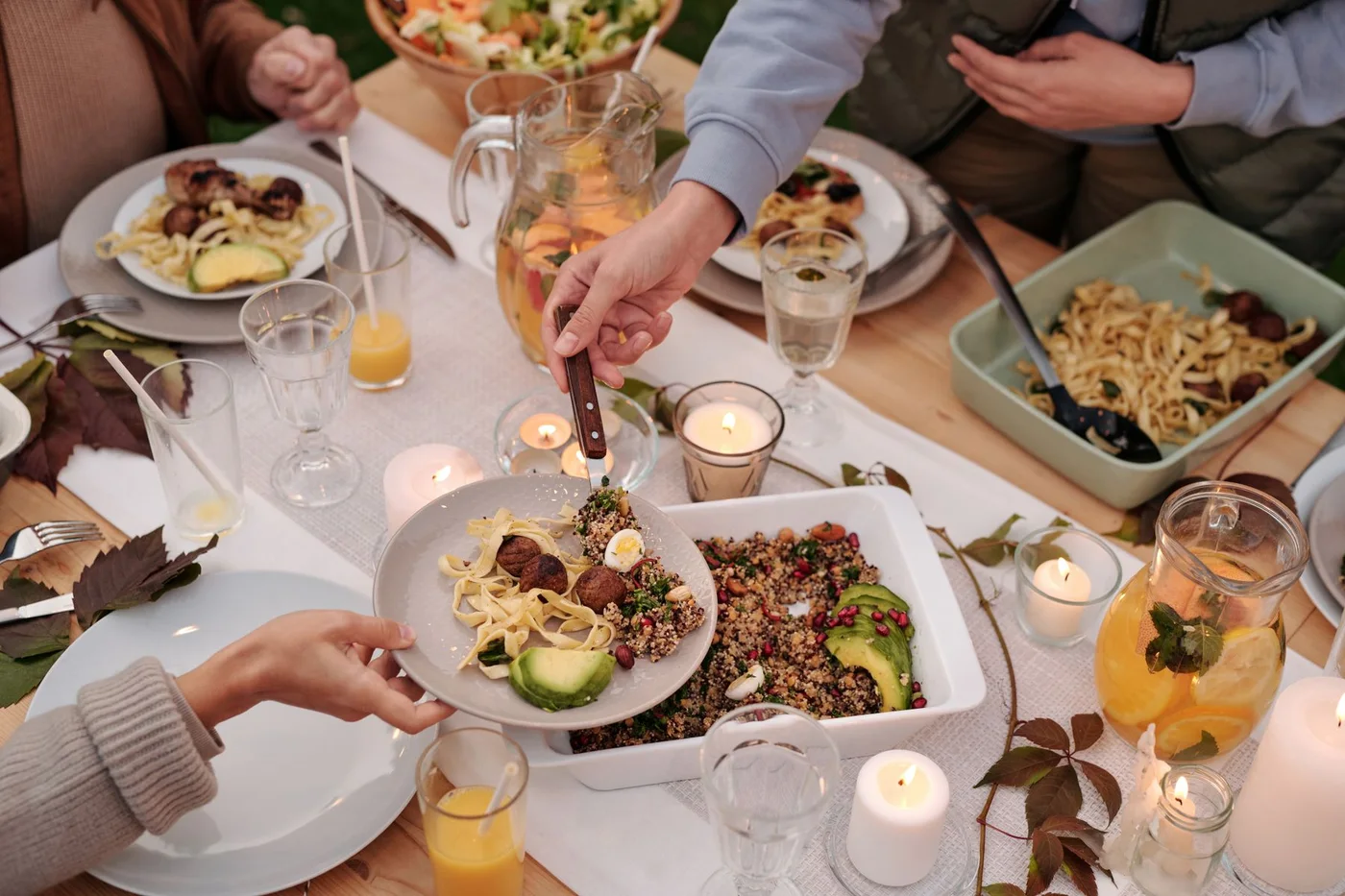
Set out suitable representative tableware and consider the chairs while people are seated. Include the serving route and the actual needs of attendees. An extra place is not useful if it turns a necessary passage into an awkward squeeze or assumes one chair suits every person.
If the room cannot support the original plan appropriately, discuss another suitable arrangement before the meal begins. A modest change is easier to make while invitations and equipment are still being considered than when everyone is already standing around the table.
Keep later changes explicit
If someone joins or cancels, update the count and tell the relevant helpers. Recheck the actual food, equipment and seating requirements rather than simply adding or removing a plate. The change may affect another stage of preparation as well.
What if a response is still uncertain? Keep that uncertainty visible and choose an appropriate plan instead of silently counting it as confirmed. What if the gathering is informal? Clear communication can remain brief. A useful guest count makes a shared meal easier to prepare without turning hospitality into a complicated attendance system.