Use Place Cards to Clarify a Larger Family Meal
Place cards can help a larger family meal begin smoothly when guests do not know where to sit.
Shopping note: The retailer links in this article are ordinary links. We are not currently using affiliate tracking. If a link earns us a commission in the future, we will label it. Our disclosure.
Choose the reason for assigned places
Place cards can help a larger family meal begin smoothly when guests do not know where to sit. Decide why they are useful for this particular gathering before designing them. They may clarify a planned arrangement, identify a guest's place or simply reduce the host's repeated directions.
Ask about practical seating needs directly and respectfully. Do not assign places based on assumptions about age, relationships or preferences. Where the household cannot provide a suitable arrangement, discuss the limitation before the meal rather than hiding it behind an attractive card.
Check the occupied table first
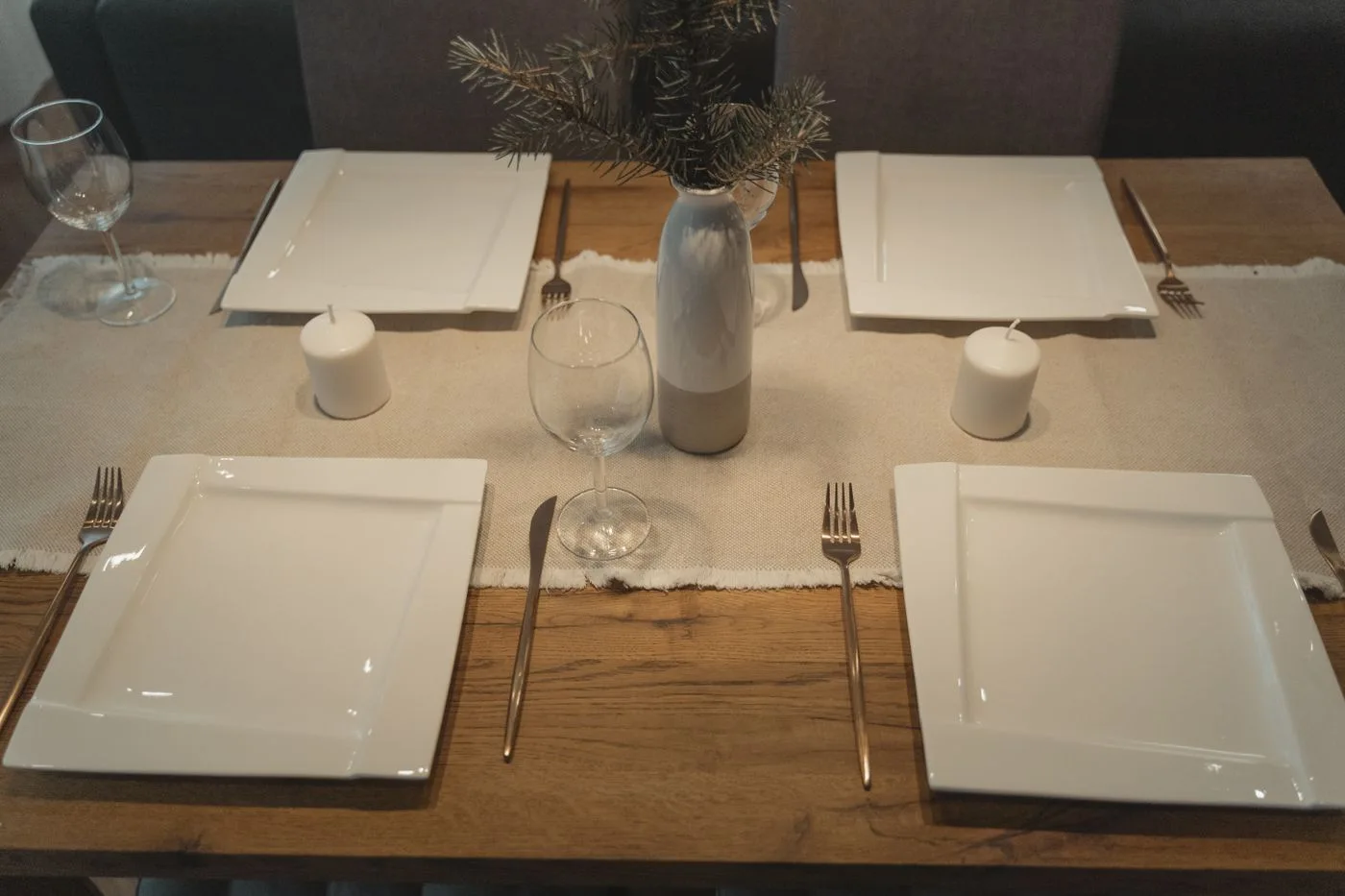
Arrange the actual seats and suitable place settings before choosing card positions. Include the room needed to enter, leave and serve the table. A name card should help someone find a usable place rather than mark a chair squeezed into the remaining gap.
Our table arrangement guide supports checking the whole occupied room. Keep decorations proportionate to the serving plan. A large display can make a carefully assigned seat difficult to see or use.
Use names guests recognize
Confirm spelling and the name each person prefers to use. Where two guests share a first name, choose an agreed clear distinction without adding unwanted personal labels. Read the cards from the ordinary approach to the table.
Keep the lettering and contrast practical for the intended readers. Elaborate script may suit the decoration while making the name harder to identify. A plain folded card can do the job without a purchased holder or a coordinated stationery collection.
Keep meal requirements separate
Do not rely on a place card alone to communicate ingredient, allergy or other important meal requirements. Keep those decisions with the actual preparation and serving arrangements and appropriate responsible guidance. A moved card can otherwise create a misleading signal.
Explain the arrangement to anyone helping serve. If guests change seats, check the relevant practical implications rather than insisting that the decorative plan remain untouched. The seating aid should support the meal, not become its main constraint.
Allow a clear last-minute change
Keep a modest way to replace or reposition a card if attendance changes. Update the actual seating and serving plan at the same time. Avoid leaving an unexplained empty place that makes another guest unsure whether they are sitting in the wrong seat.
Our family seating guide offers related questions for another setting. After the gathering, retain cards only where someone actually wants them. The useful outcome is an understandable welcome, not another box of obligatory keepsakes.
Place-card questions
Does every family meal need assigned seating? Use cards only where they help the actual group.
Can a name card identify a special meal by itself? Keep important serving requirements separate and clearly managed.
What if a guest changes seats? Recheck the practical arrangement and communicate any relevant change to the helpers.