Check a Child’s Day Bag Together Without Packing Every Possibility
Use the actual outing requirements to make a small bag check clear for the child and responsible adult.
Shopping note: The retailer links in this article are ordinary links. We are not currently using affiliate tracking. If a link earns us a commission in the future, we will label it. Our disclosure.
Choose the real destination
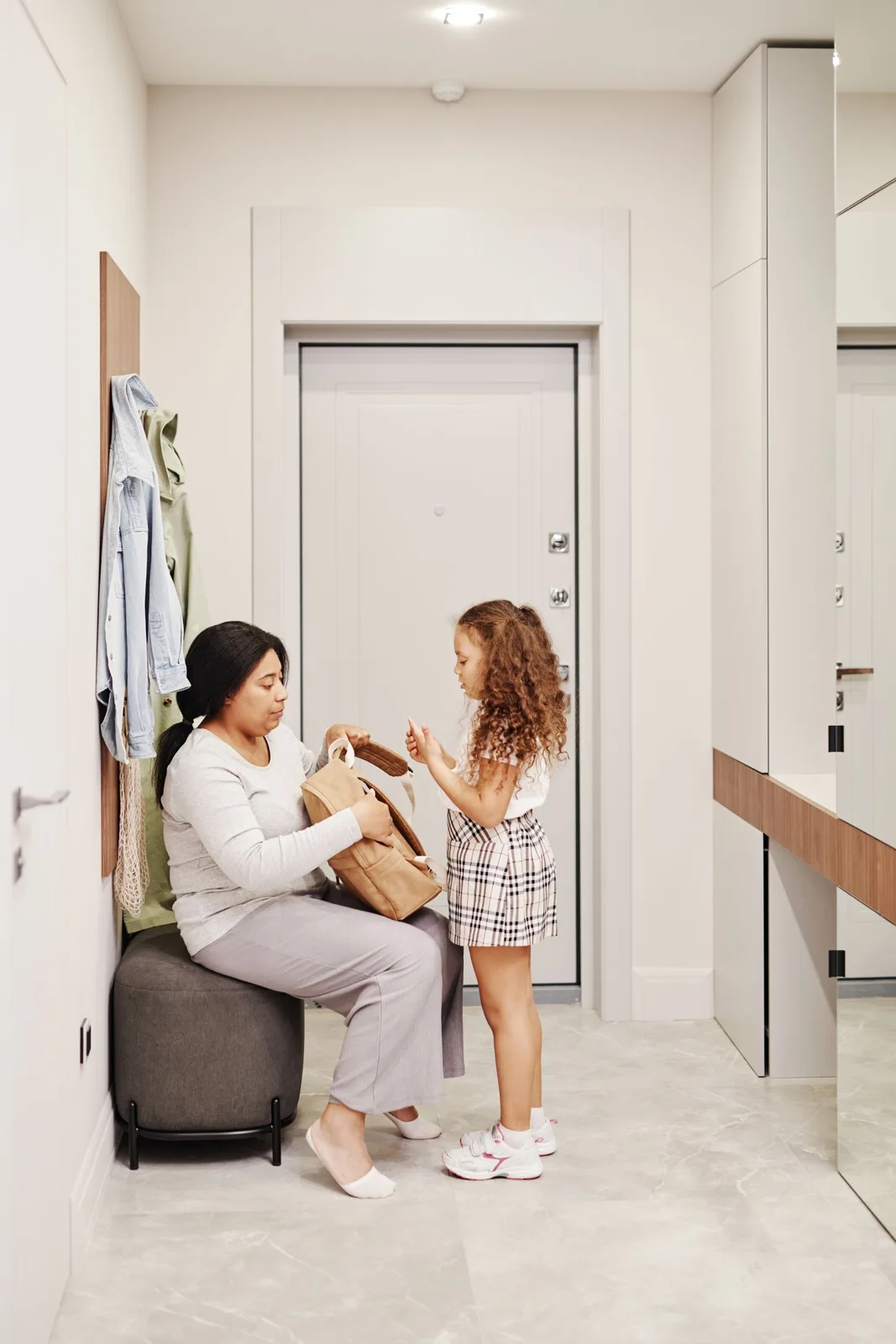
A child's day bag can accumulate objects from several earlier outings until it is heavy and difficult to search. Begin with the next destination and the organizer's actual requirements where relevant. Separate what must be carried from what is merely familiar to see in the bag.
The responsible adult should check suitability, personal needs and any required supervision. Involving a child in an appropriate part of packing can make the process understandable, but it does not transfer adult responsibility for essential supplies. Choose a small practical task rather than asking the child to anticipate every possible event during the day.
Empty the previous outing first
Remove used clothing, food containers, papers and other objects through their appropriate return routines. Keep personal or sensitive items handled according to their requirements. A bag is not ready simply because there is space to push tomorrow's belongings on top of yesterday's.
Check the bag's condition and care information. Make sure closures and straps operate as intended and follow any product limits. If the bag no longer suits the child's needs or cannot be carried appropriately, reconsider the equipment rather than compensating with another internal organizer.
Use a short visible list
List the few items required for the particular trip in language or a format appropriate for the child and household. Keep essential adult-managed supplies identified separately where needed. Avoid a permanent checklist that includes every item ever taken on an outing.
Put objects in a clear order and explain the position of the items the child may need to retrieve. A familiar small compartment can be useful, but too many hidden pockets may make searching harder. Test the opening and retrieval with the bag in its ordinary carrying position.
Check the loaded bag
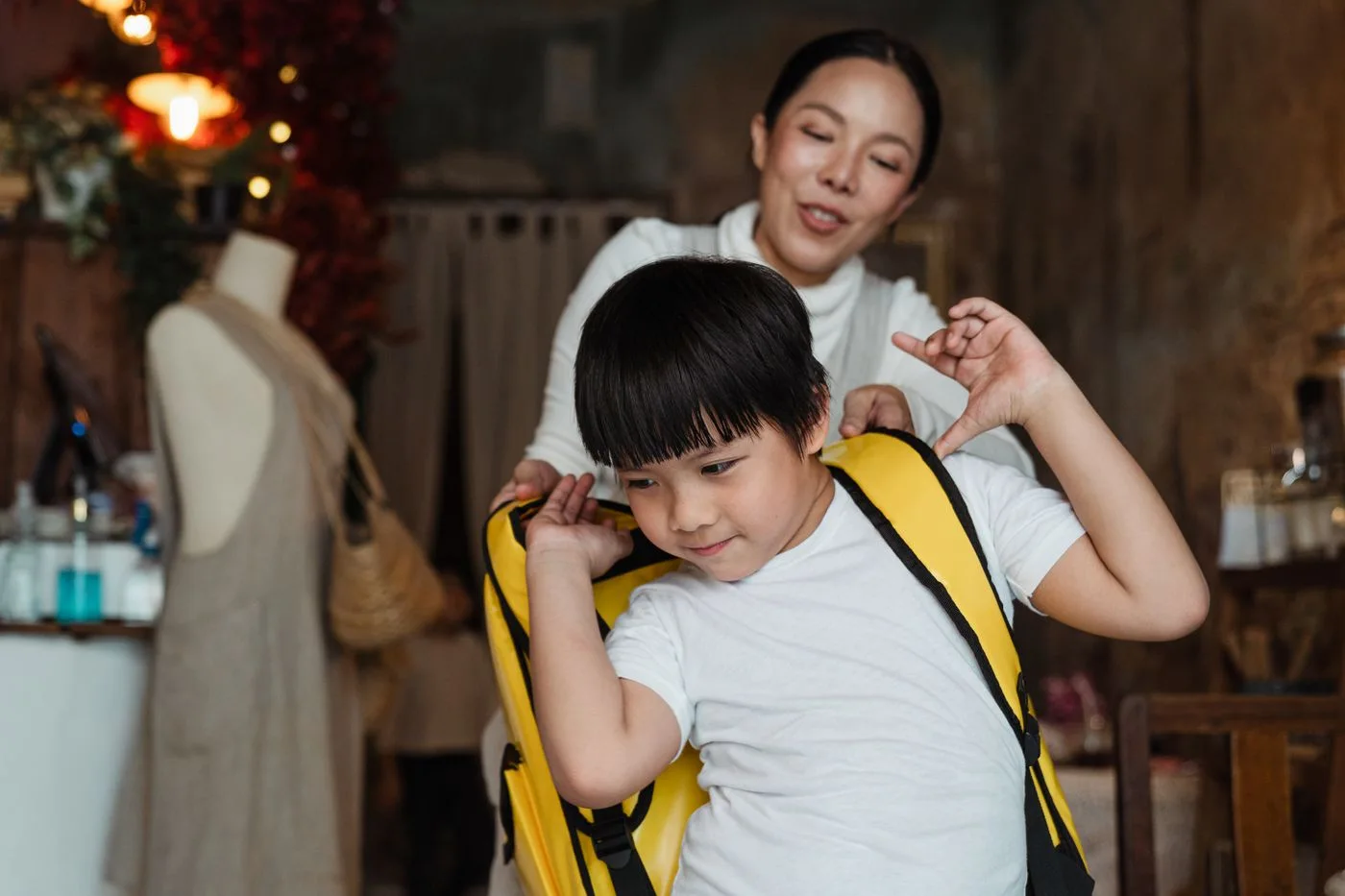
Have the responsible adult assess the filled bag and follow relevant product guidance. Consider the child's comfort, abilities and the actual route. Do not make weight or carrying demands based on a generalized rule copied from another household.
Remove optional duplicates that do not serve the outing. Keep important supplies accessible to the adult responsible for them. If several people carry equipment, agree on the division clearly. The child should know which items are theirs to handle and which questions require adult help, without being expected to manage the whole day's logistics.
Create a return position
Choose where the bag goes after the trip and which contents need immediate attention. Keep the entrance clear and separate damp or used items from clean supplies. Return borrowed objects and papers through their defined destinations so the bag does not become a storage cupboard.
Our outing-bag guide supports the adult's broader packing decisions. The bag-return guide helps with the home position. Keep the shared check brief enough to use on an ordinary day and adapt the list when the destination changes.
Use the list at the place where the bag is packed, with the actual items visible. Marking a checklist in another room can create false confidence that an object has reached the bag. The adult can verify the essential contents and invite the child to identify the appropriate personal items. If another caregiver takes over, leave the short current list available and explain any adult-managed supplies. After the outing, compare the list with what was genuinely useful before changing it. Keep different destinations separate so a swimming-day requirement does not become a permanent addition to every short local trip.
Day-bag questions
Should the child pack independently? Choose participation appropriate to the child and trip, with the adult checking essential requirements. Independence is not a reason to leave important needs unverified.
Does the bag need a separate pocket for everything? No. Use enough structure to make the actual contents easy to find. Several small compartments may create more searching.
What if the same item is forgotten repeatedly? Check where the list is used and whether the item has a clear home before packing. Fix that handover rather than making the checklist longer.