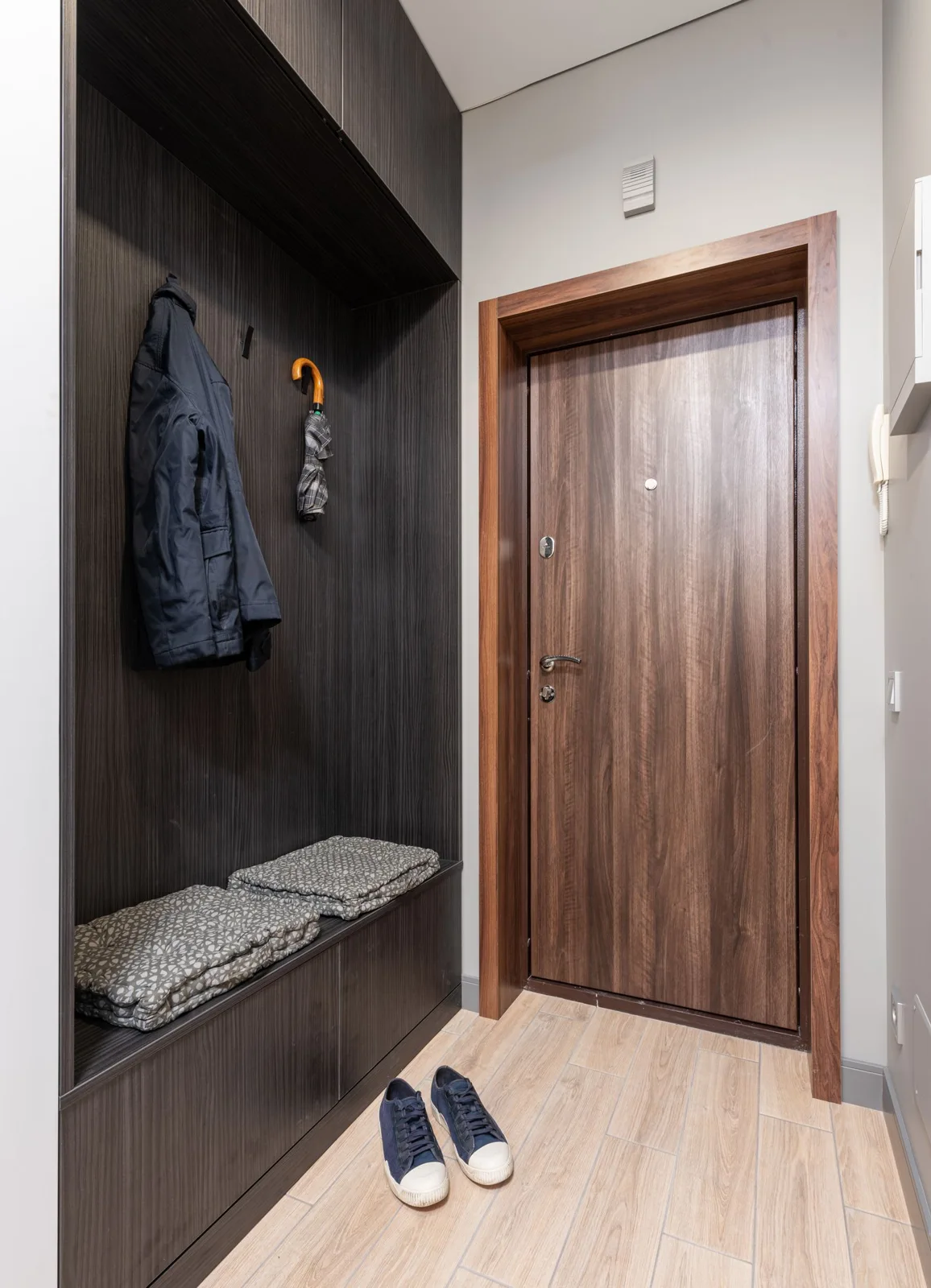
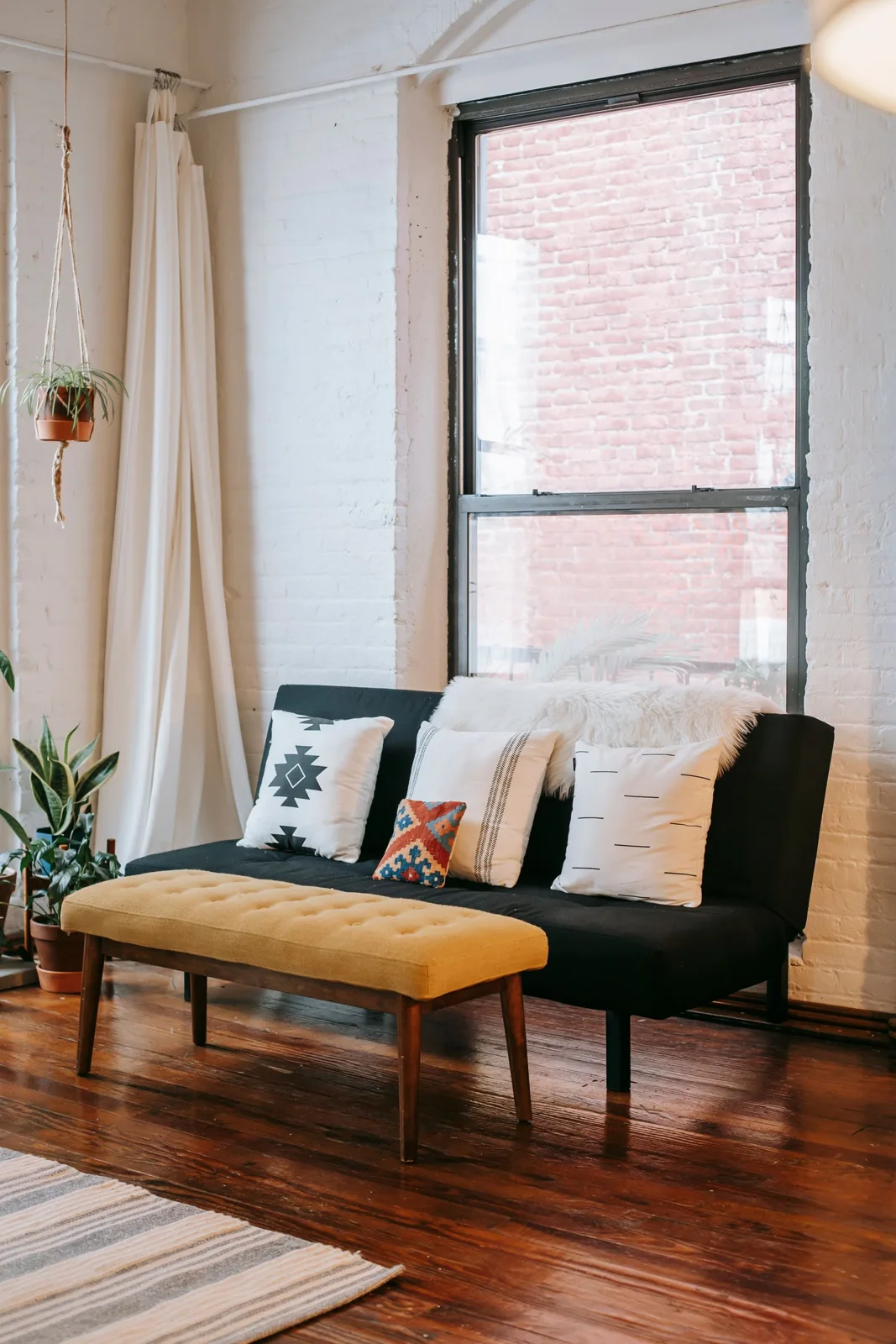
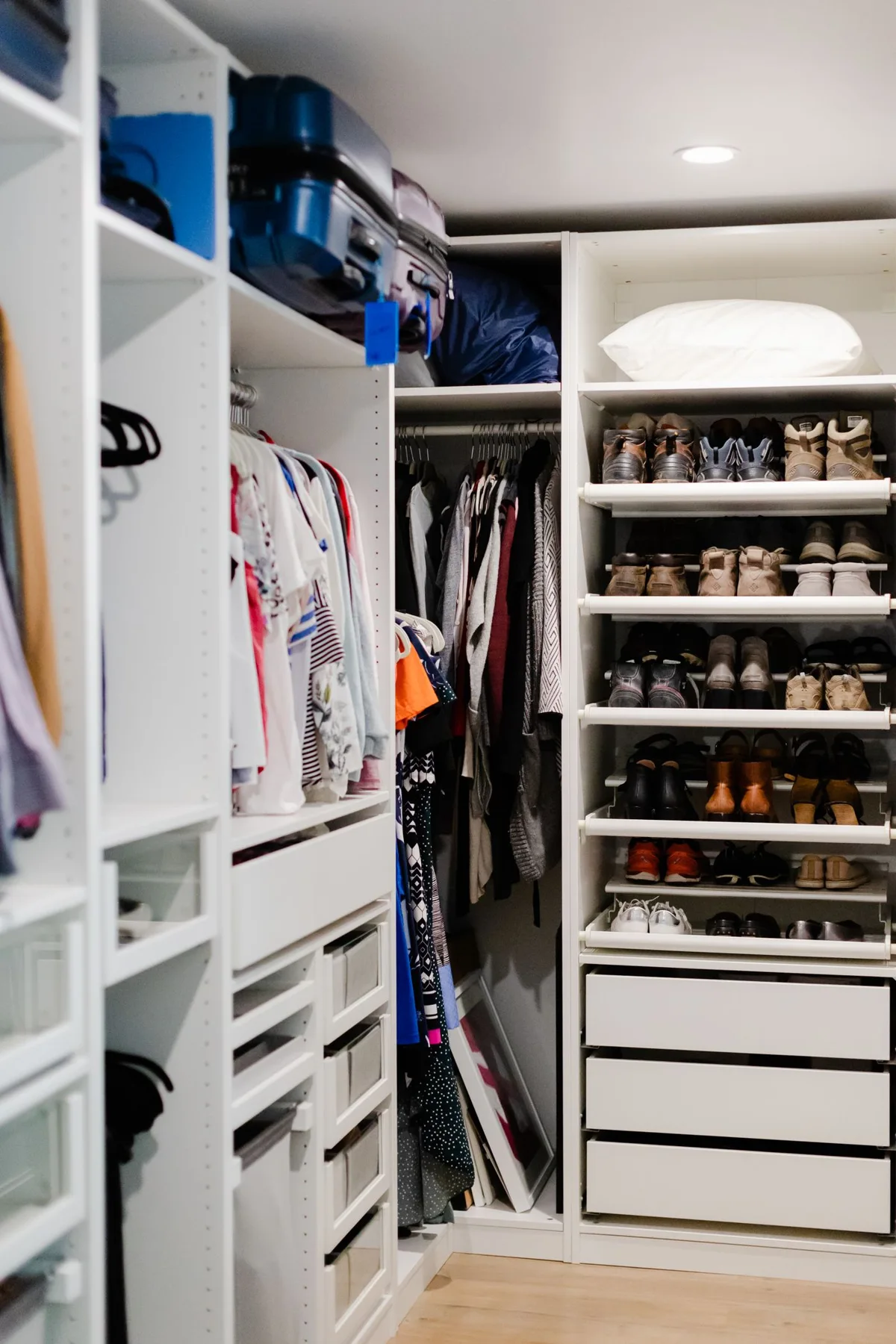
Give Each Everyday Bag a Return Position
Choose reachable, appropriate bag storage that keeps the entrance clear after school and outings.
Shopping note: The retailer links in this article are ordinary links. We are not currently using affiliate tracking. If a link earns us a commission in the future, we will label it. Our disclosure.
Sort bags by the next ordinary trip
An entrance can collect several backpacks, totes and occasional bags while hiding the one needed tomorrow. Start with the bags used during the current week. Give those the easiest suitable positions and separate occasional equipment from the daily return area. A hallway does not need to store every bag the household owns.
Check each bag's actual size when filled and the way it opens. A bag may fit on a hook while blocking the cupboard beneath it or dragging against wet footwear. The position needs to suit the loaded item and the people using the entrance, not only the empty bag displayed in a shop.
Choose storage around access and installation
Use hooks, shelves or another arrangement appropriate for the objects, surface and household. Follow product load and installation instructions and obtain rental permission where needed. Do not treat an adhesive product as suitable for a heavy daily bag without checking its specific requirements.
Keep door movement, exits and ordinary routes clear. Consider what happens when every daily bag returns at once. A row that appears spacious with one item may become crowded with straps and handles. If the wall cannot support a suitable arrangement, choose another appropriate storage method instead of improvising a fixing.
Make the owner’s position obvious
Use a readable name, photograph or other clear identifier suited to the household where that helps. Keep the system simple enough for another caregiver to understand. A label should identify where the bag goes, not contain a lengthy packing checklist that becomes difficult to read.
Choose a position that supports appropriate participation by the child, with help and supervision as needed. Do not assume every child can lift or handle the same bag comfortably. The adult should check the equipment and contents while making the ordinary return step clear. Responsibility can be shared without expecting the storage itself to teach a developmental skill.
Separate emptying from storing
Give papers, lunch containers and damp items their own appropriate return routes before the bag is stored. A bag hung neatly on its hook may still contain food or clothing that needs attention. Decide which check happens immediately after arrival and which preparation waits until later.
Keep essential or personal items handled according to their requirements. Do not leave medication, confidential information or other unsuitable contents in an accessible shared bag station. The storage arrangement is a convenience tool and needs to fit the household's actual needs, including things that do not belong in a general entrance basket.
Prepare the next trip without rebuilding the station
After the relevant contents have been handled, return the bag to its position and add the items needed for the next ordinary outing. Keep a short checklist where useful, separate from the storage label. Review occasional bags when plans change so they do not gradually occupy all the daily positions.
Our morning launch-pad guide connects bags with departure essentials. The after-school guide helps establish the first return steps. Judge the arrangement by whether the right bag can be found and used, not only whether all the hooks look full and coordinated.
Take a reference photograph of the station with all the daily bags loaded and the door operating normally. Use it to check whether straps or handles create an overlooked obstruction. Revisit the photograph when a bag changes size or an additional activity begins. A storage arrangement is not permanently suitable just because it worked for the smaller collection that was present when the hooks were first installed.
Bag-station questions
Does every person need a hook? Not necessarily. A suitable shelf or clearly defined cubby may work better for some bags and users. Choose by the actual item and access requirements.
Should the station be beside the front door? It can be convenient, but it must leave the entrance usable and support appropriate storage. A nearby position outside the narrowest route may work better.
What if bags still land on the floor? Check whether the assigned position is reachable, full or awkward for the loaded bag. Adjust the return step before buying more matching hooks.