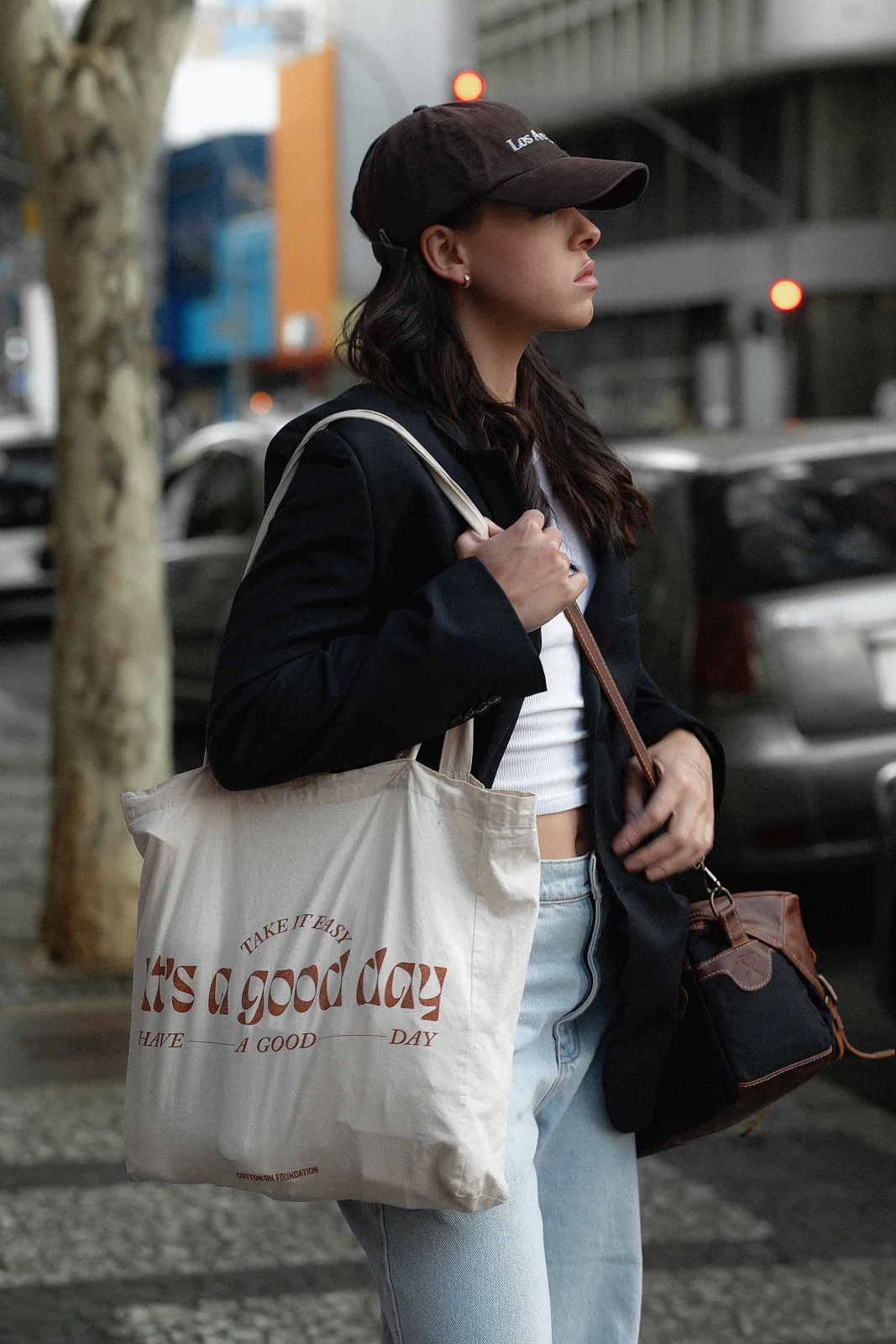
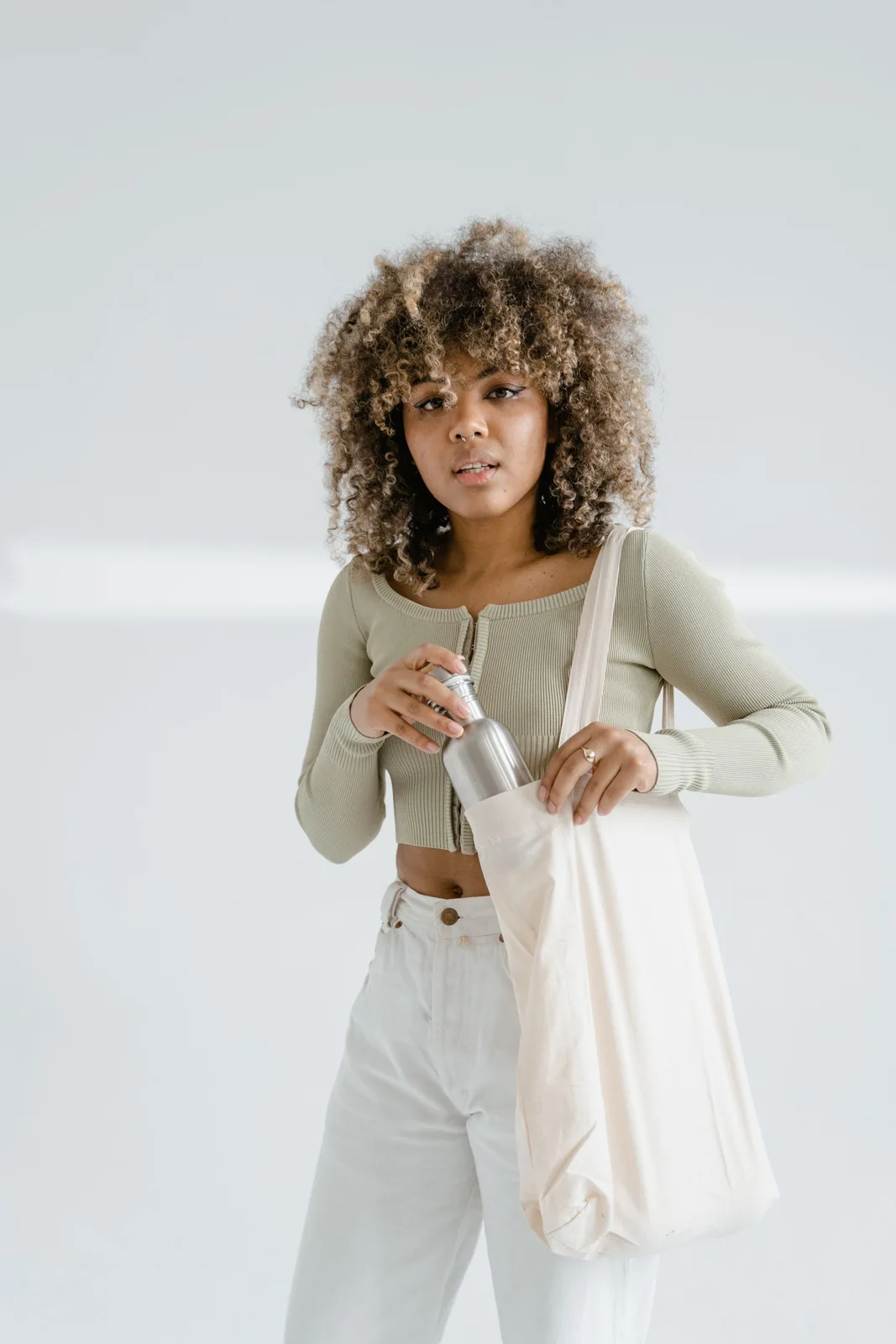
Give a Textured Bag a Quiet Retained Outfit
Give a textured bag one clear outfit role, using familiar suitable clothes as a steady base instead of buying several new accessories to make the surface feel connected.
Shopping note: The retailer links in this article are ordinary links. We are not currently using affiliate tracking. If a link earns us a commission in the future, we will label it. Our disclosure.
Choose the bag for the actual day
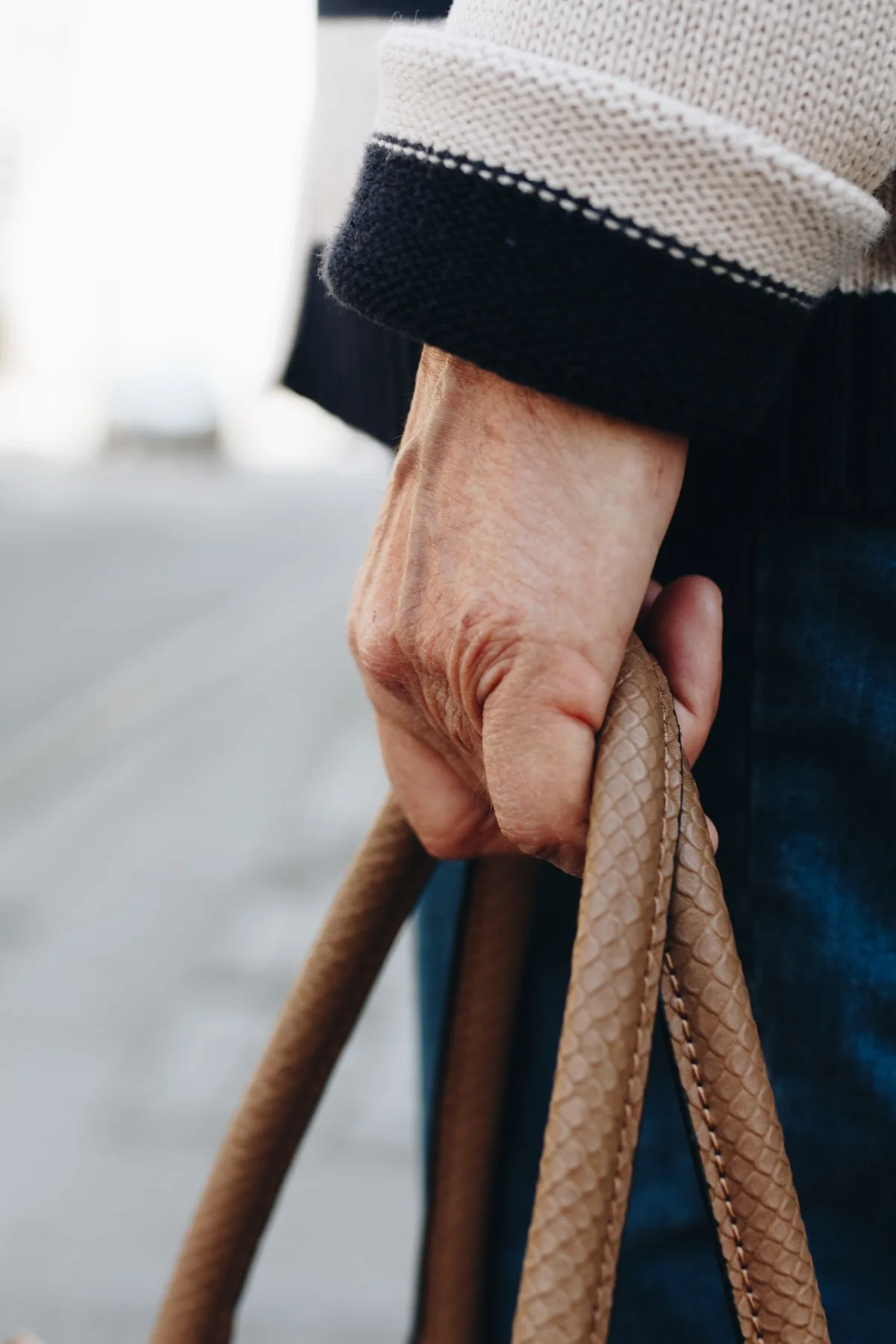
A textured bag can supply plenty of visible detail before another patterned accessory enters the outfit. Begin with a suitable retained bag that serves the actual contents and plan. Check the real product information where intended use, condition or dimensions need clarification.
The styling question follows that practical role. An appealing surface does not establish capacity or material identity, and a small close-up can make a pattern appear more dominant than it does in the complete outfit.
Keep a concrete comparison note
Use one familiar suitable base as the fixed reference, then compare the textured bag with a quieter retained option. Look at the full view before a close crop. If the stronger bag is preferred, remove an optional patterned scarf from the comparison before buying a matching accessory. That small change can clarify whether the surface itself is useful or whether several competing details created the original uncertainty.
Keep one familiar base steady
Try the bag beside clothes already worn for an ordinary activity. A quiet base means the relationship is easy to read, not that every garment must be identical in color or completely without texture. Choose the level of detail you prefer rather than following a universal rule about statement accessories.
If the first pairing feels unresolved, change one suitable retained element while the others remain steady. A whole new group of shoes, knit and outer layer can conceal whether the bag's surface was actually the original concern.
Separate color from texture
Name the specific relationship in ordinary words. The bag may introduce a darker tone, a visible weave or both. Those are different questions: a smoother bag in the same strong color may still create the tonal contrast, while a quieter color can retain a prominent surface pattern.
Compare the actual pieces in relevant ordinary light. A private reference photograph may preserve context but should not become exact evidence of another product's color or composition. Keep accurate material information with the real item.
Let other accessories have a purpose
Include the actual suitable shoes and any genuinely needed accessory before judging the whole outfit. A necklace or scarf is optional rather than a compulsory way to connect the bag. One familiar small detail may be enough where that suits your preference.
Avoid treating the texture as a shopping instruction for a matching collection. Another product should have a real role in the wardrobe and actual day, not merely repeat an interesting surface seen in a photograph.
Preserve the useful combination
Keep a short note naming the actual bag and base if they serve a recurring plan. The reminder should identify the real pieces rather than a broad label that becomes ambiguous when another similar accessory arrives. Follow each product's care requirements after use.
What if the textured bag does not accommodate the day's actual contents? Choose a suitable alternative and reconsider the styling around it. What if the quiet version already feels complete? Keep it without adding detail for an imagined rule. A considered textured-bag outfit gives one retained accessory a clear visual place while leaving the person's practical needs central.
Revisit the comparison when the coat or base outfit changes. A saved combination describes one actual group rather than a permanent formula for every garment in the wardrobe.
Related reading
How to Choose an Everyday Tote Without Buying Too Much Bag, Edit an Occasion Bag Around Your Own Essentials.