Two Creators, One Drawing: Agree What Can Change
Agree what can change in a shared drawing, distinguishing an invitation to add marks from permission to alter another person’s work so a small family project has clear boundaries.
Shopping note: The retailer links in this article are ordinary links. We are not currently using affiliate tracking. If a link earns us a commission in the future, we will label it. Our disclosure.
Start by naming the shared part
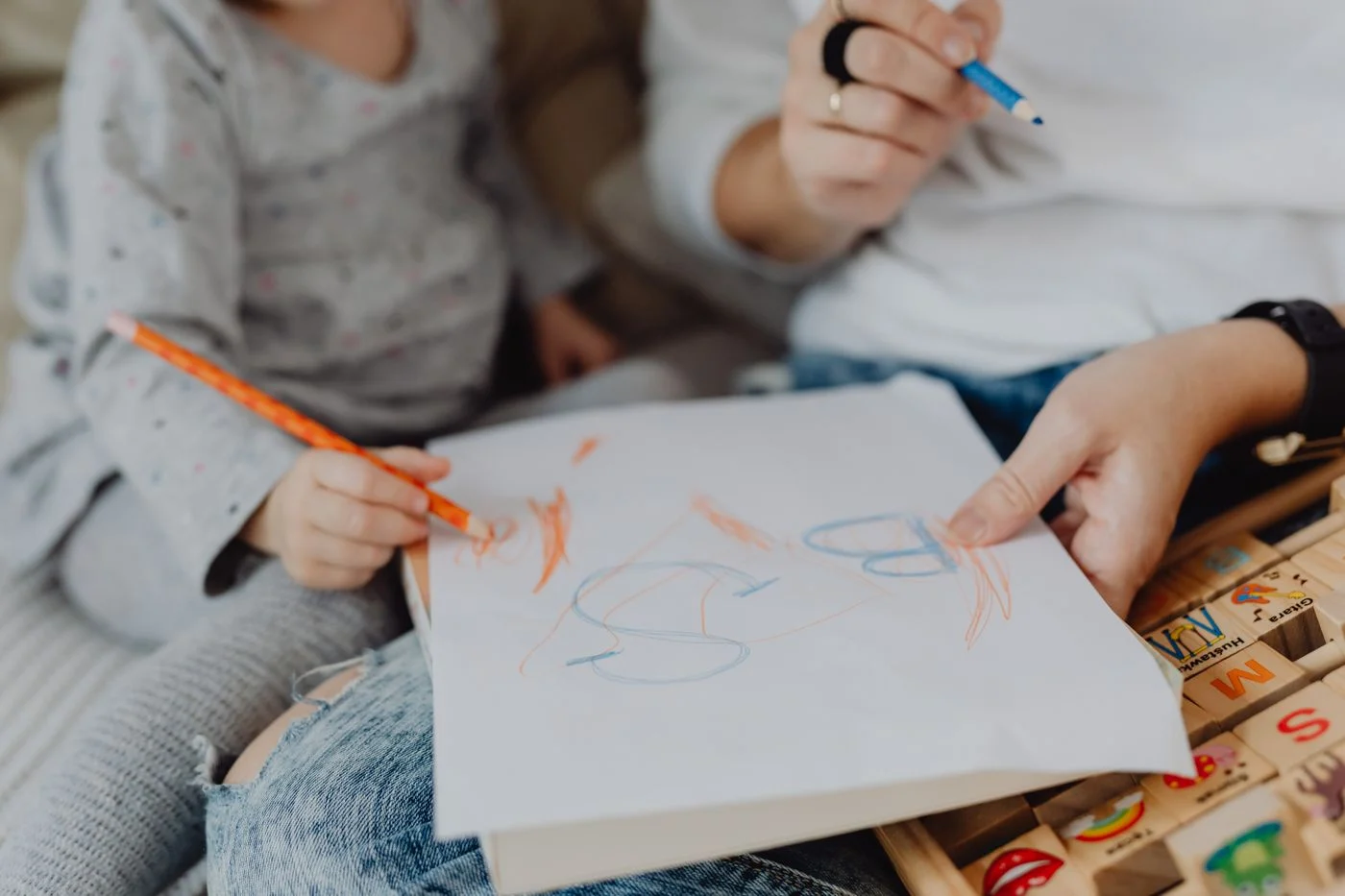
Two people can sit at the same table with paper and still be making separate work. Before adding marks, agree whether this is one shared drawing, a divided page or two individual pieces. The distinction matters more than a tidy arrangement of matching pens.
Use materials appropriate to the actual people and setting, with suitable adult guidance where needed. A stock image of drawing together does not establish abilities, safe material choices or one correct activity for every child. Keep the real product directions and household circumstances in view.
Make the invitation specific
An invitation might be to add a shape in one blank area or choose a color for an agreed part. It does not automatically mean that every existing mark can be changed. Ask before drawing over another person's work, including when the proposed change is intended to improve it.
Keep the conversation simple and appropriate to the participants. A shared activity does not need an elaborate contract, but each person should understand what they are being invited to do. An adult's suggestion should not quietly become ownership of the whole page.
Leave room for separate choices
If someone wants to keep their part unchanged, give that choice a workable place. Another sheet or a clearly separate area can let the activity continue without pressure to accept every addition. The aim is a shared experience, not identical creative preferences.
Do not treat an unfinished area as a mistake that somebody else must repair. Blank space may be deliberate or may simply mean the maker wants to stop. Ask rather than interpreting it through the desire for a finished-looking photograph.
Resolve a disagreement before more marks
If a change causes difficulty, pause the next addition. Identify the specific mark or boundary in question instead of making a general judgment about who is good at sharing. Choose a suitable practical response with the actual people, such as continuing on another page.
Avoid promising that every material can be erased or restored. Use the real materials' information and do not apply improvised treatments to the page or equipment. A small creative project should not turn into a claim about techniques that have not been checked.
Agree how the work finishes
Before the page leaves the table, ask what happens next: appropriate drying, a shared display or another suitable storage decision. Photographing or sending it to someone else is a separate audience choice, not an automatic result of working together.
Keep the materials' care and return clear after the session. A shared drawing works when participation, changes and the finish remain understandable. It can include different ideas without requiring one person to surrender every boundary or another person to complete the work for them. A modest agreement about what can change leaves the actual creative moment more room to be enjoyed.
Related reading
Offer a Small Watercolour Choice Without Emptying the Craft Box, Move the Family Table From Crafts Back to Dinner.