Pack for a Rainy Family Outing With the Return Home in Mind
Choose suitable layers and a clear destination for damp belongings before a short outing.
Shopping note: The retailer links in this article are ordinary links. We are not currently using affiliate tracking. If a link earns us a commission in the future, we will label it. Our disclosure.
Choose the outing before the extras
A rainy-day bag can fill quickly with spare items that never earn their place. Begin with the outing's length, access to shelter and the people taking part. Check current conditions and any organizer's guidance where relevant. A short local walk and a longer outdoor activity do not require the same plan.
Use clothing and equipment appropriate for the intended activity, following their instructions. Keep the plan flexible if conditions change. Packing should support a suitable outing, not persuade the family to continue with an unsuitable activity because the bag has already been prepared.
Pack changes as identifiable sets
Where a change of clothes is useful, keep the relevant pieces together in a suitable clearly identified bag. Choose the size and contents for the person who will use them. Do not rely on a generic spare top that no longer fits or a pair of socks whose owner nobody knows.
Protect clean items from damp belongings using an arrangement suitable for the products and the journey. Keep any essential personal supplies accessible and handled according to their requirements. A separate set makes retrieval easier, but it should not create a large permanent reserve that is never checked as the household's needs change.
Check the bag’s working weight
Load the proposed bag and have the responsible adult try carrying it comfortably. Consider where it will be set down and whether the opening allows an item to be found without emptying everything. Keep heavier objects appropriately positioned and follow any product limits.
Remove optional duplicates that do not serve the actual outing. If several caregivers share the bag, explain where the important items are. A highly organized interior is less useful when only the person who packed it understands the categories. Plain groups such as clean changes and used items can be easier to maintain.
Prepare the damp return
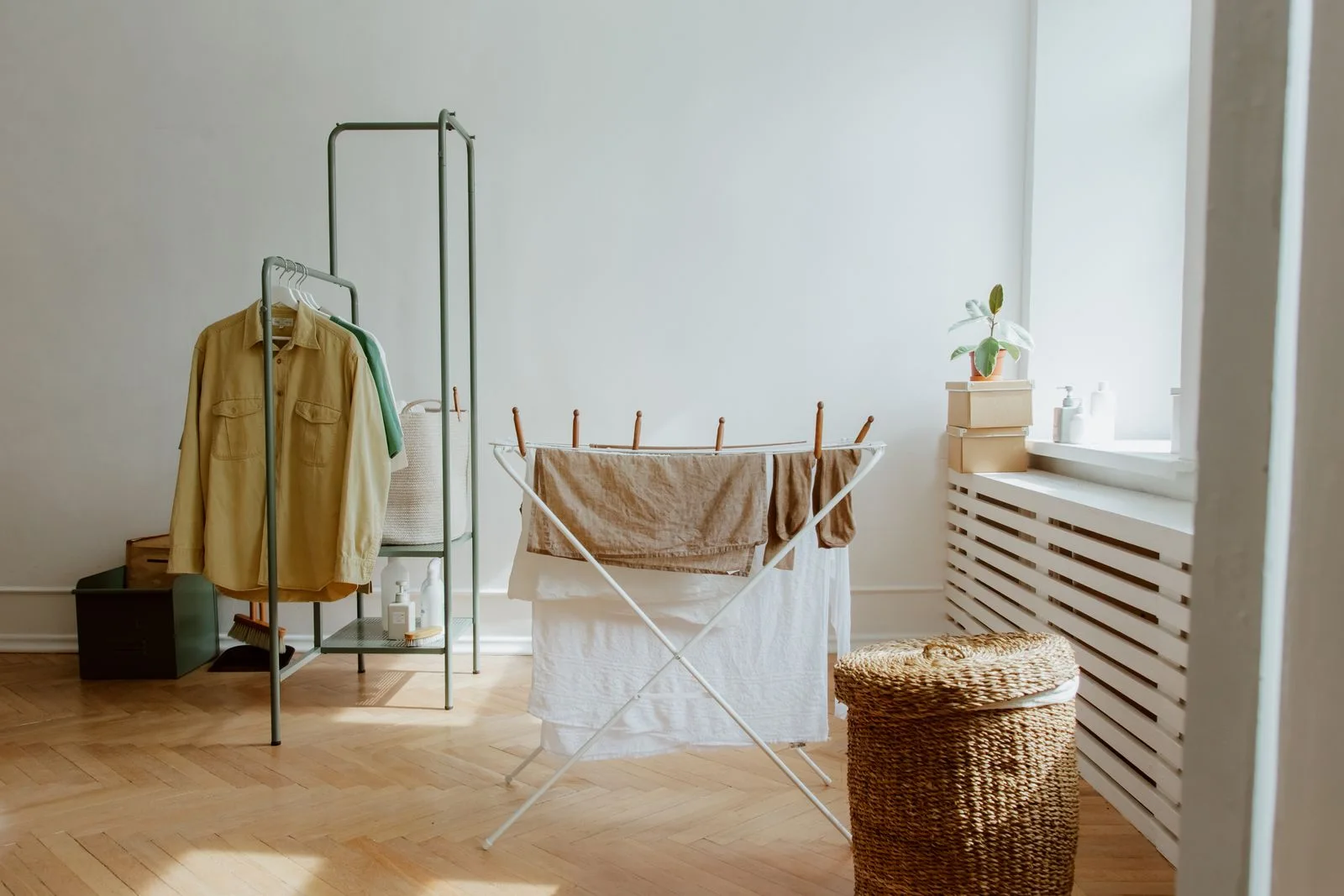
Before leaving home, decide where coats and other damp equipment will go afterward according to their care instructions. Keep the door and main walking route clear. A return position should allow appropriate drying and cleaning rather than trapping damp items in a closed bag until the next weekend.
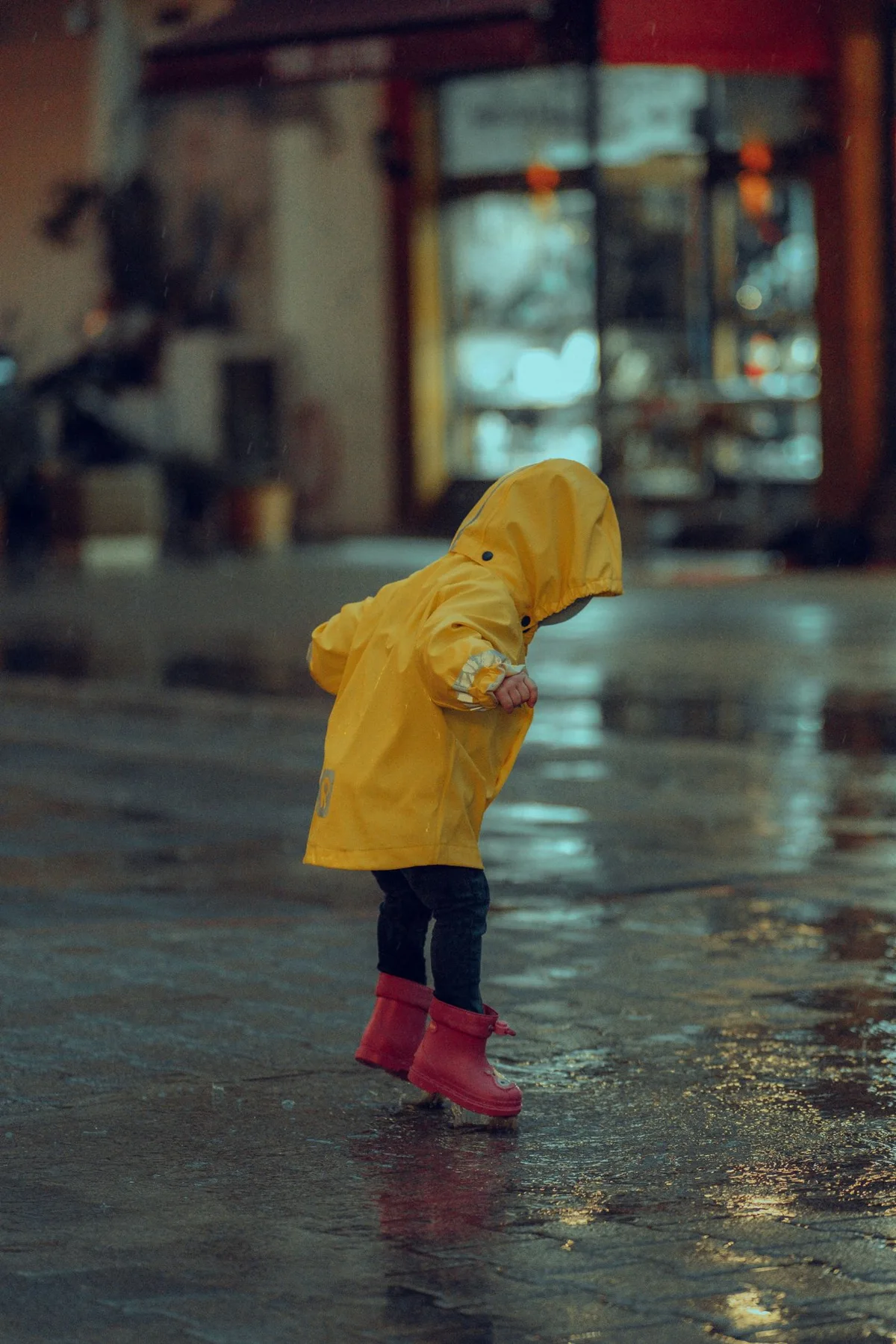
Follow the relevant footwear and clothing guidance, including suitable treatment of different materials. Do not assume a rain jacket can be dried or washed like an ordinary cotton top. Keep the care information available when a new product enters the routine, and check the home's equipment instructions where they affect the drying arrangement.
Reset the bag after the outing
Remove used items, clean or dry them appropriately and return clean supplies through the ordinary household routine. Check what was actually used and what was missing for a clear reason. Update the small list rather than adding every possible contingency after one imperfect trip.
Our outing-bag guide helps choose a manageable base collection. The laundry routine supports the return of clothing. A bag is ready for next time only when its contents have completed the care and replacement stages, not merely when the zipper is closed.
Keep a short private note of the items used on the actual outing and the return tasks that were awkward. A missing suitable drying position is a different problem from a missing spare top. Separate those decisions before adding to the bag. The next improvement may be at home rather than another packed item, and the loaded bag should remain manageable after any change.
Rainy-outing questions
Does every outing need a full change of clothes? Base the contents on the activity, conditions and people involved. A short local plan may allow a different arrangement from a day away.
Can damp items stay in the bag overnight? Follow the items' care requirements and remove them through a suitable cleaning and drying routine promptly. A closed bag should not become their default storage.
What if the bag is always too heavy? Revisit the actual outing and divide necessary items appropriately among responsible adults where suitable. More compartments do not make an overloaded bag easier to carry.