Choose a Quiet Knit Beside a Plaid Skirt
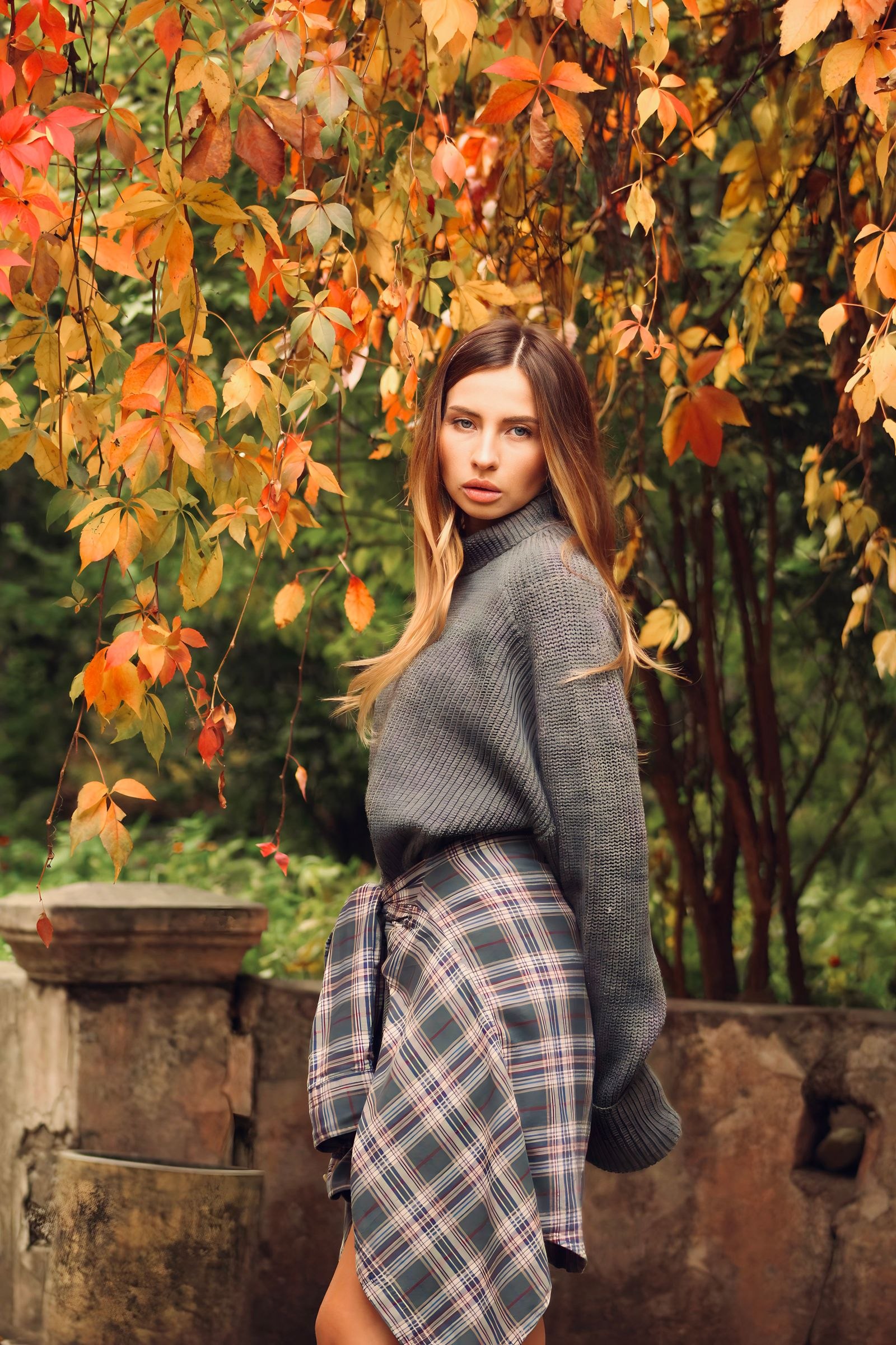
Choose a quiet knit beside a suitable plaid skirt, comparing the visible pattern, neckline and actual layer before adding more detail to the outfit.
Shopping note: The retailer links in this article are ordinary links. We are not currently using affiliate tracking. If a link earns us a commission in the future, we will label it. Our disclosure.
Keep the skirt as the pattern reference
A plaid skirt can provide enough visible detail for an outfit before another patterned piece enters the group. Begin with the suitable retained skirt and the real plan, then try a familiar knit. Keep the shoes steady so the two garments remain the local comparison.
Quiet does not have to mean identical color or no texture. The aim is a relationship you prefer, not a rule that every plaid garment must be worn with the same kind of plain top.
Keep a concrete comparison note
Keep the actual skirt and suitable shoes as the anchor while comparing one retained knit alternative. Describe whether the difference concerns visible pattern, color or neckline. If an optional scarf competes with the plaid, remove it before replacing a useful sweater. This keeps the exercise connected to one local relationship and avoids turning a patterned garment into a complete new outfit-shopping list.
Compare the actual visible tones
Look at the real skirt and knit together in ordinary light. A small color in the plaid may offer a connection, but it does not require an exact match or a new purchase. A retained neutral can be equally deliberate where it serves the person and activity.
Keep the specific garments identifiable in a short note where helpful. A broad reminder such as dark sweater with checked skirt can hide several different tones, necklines and product requirements.
Notice pattern and texture separately
Describe whether the combination feels unresolved because of color, the amount of visible texture or another actual feature. A smoother top in the same strong tone may leave the contrast unchanged, while a different shade can retain a prominent surface pattern.
Look at the complete ordinary outfit before deciding a close-up detail is too busy. A small repeated knit can become quieter at a normal distance. Change one suitable retained element at a time rather than replacing the top, bag and outer layer together.
Include the layer actually needed
Try the appropriate coat or jacket for the real day and notice which parts of knit and plaid remain visible. An open arrival view and the indoor outfit can have different balances while both remain useful. Follow the garments' actual requirements rather than forcing a position simply to show the pattern.
Keep individual fit and condition questions separate from decoration. Seek appropriate assistance where needed, and do not expect an added scarf or necklace to answer every practical issue with the base outfit.
Preserve the useful simple version
Choose accessories through their genuine tasks and relevant product information. A suitable bag still needs to serve the actual contents, while another accent color is optional. The skirt and knit may already provide the amount of detail wanted without a matching collection.
What if both a quieter and more textured top work? Keep the actual alternatives for the plans they serve. What if the simplest outfit feels best? Preserve that result without treating the lack of another accessory as unfinished styling. A considered plaid-and-knit pairing gives retained garments a clear relationship and leaves personal preference more important than a formula.
Return each piece through its own care guidance after wear. A saved combination describes an idea rather than the current ready state of every item.
Related reading
Getting Dressed Again When Your Old Wardrobe No Longer Feels Right, Washable Layers Worth Considering for a Busy Wardrobe.