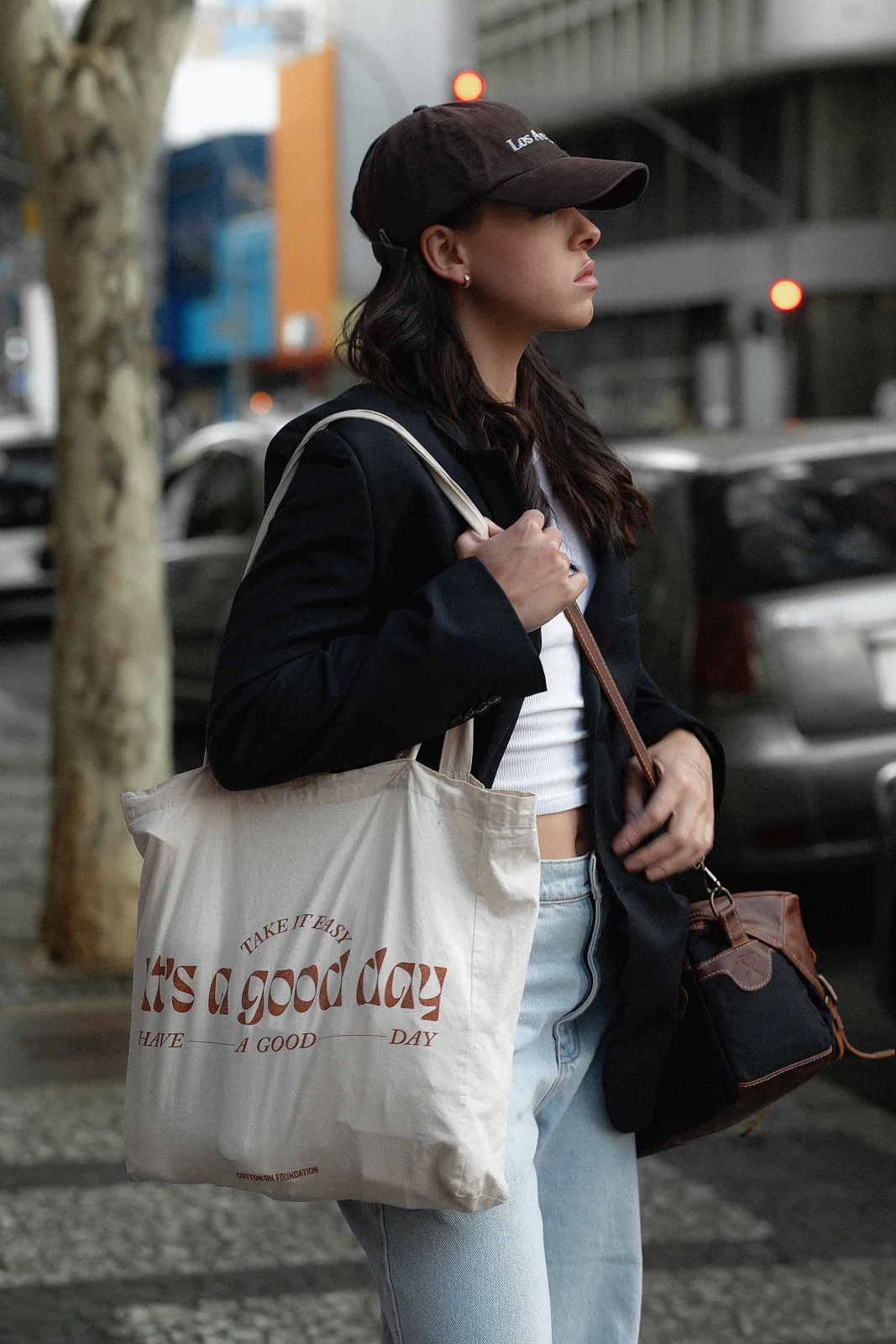
Compare a Pale Bag With the Knit Already in Rotation
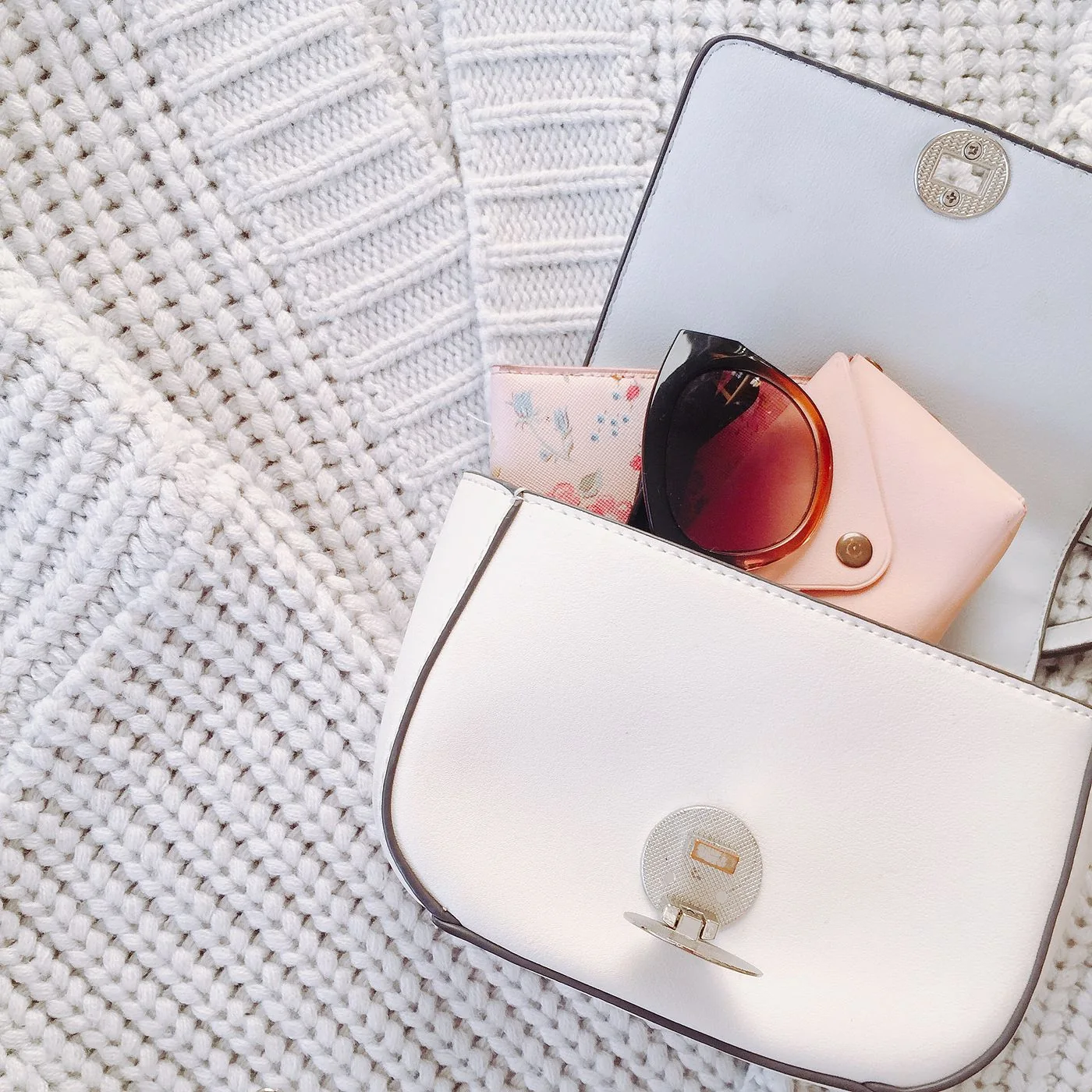
Compare a pale bag with the knit already worn, separating color, surface detail and the bag’s real contents so the outfit does not need another matching purchase.
Shopping note: The retailer links in this article are ordinary links. We are not currently using affiliate tracking. If a link earns us a commission in the future, we will label it. Our disclosure.
Keep the familiar knit as the starting point
A pale bag can make an outfit feel lighter without requiring a new sweater or a complete set of coordinated accessories. Start with a suitable knit already worn for a real plan. Keep the jeans or other base steady while looking at the bag beside the actual fabric.
The useful question is specific: does the bag give the amount of contrast you want? A quiet near-match can work, and a clearer difference can be equally deliberate. There is no requirement that every pale object share one exact tone.
Keep a concrete comparison note
Try the same suitable knit and jeans with the pale bag, then with a familiar darker bag where available. Keep the shoes unchanged. Name whether the pale option changes the amount of contrast, the visible surface detail or both. If the practical contents require the darker bag, preserve that clear choice instead of using the color exercise as a reason to carry fewer genuine essentials.
Compare the colors together
Look at the real pieces in ordinary light rather than remembering them from separate product pictures. Pale shades can appear different beside another surface. Name the actual knit and bag in a short outfit note instead of using a broad phrase such as the light combination.
If the relationship seems unresolved, change one suitable retained piece at a time. Replacing the sweater, shoes and bag together makes it difficult to identify which change actually helped or whether the complete new group was necessary.
Notice surface detail separately
A textured knit and a quiet bag create a different relationship from two strongly detailed surfaces. Look at the whole outfit at an ordinary viewing distance before deciding that a close-up pattern is too prominent. A small feature can become much quieter once the complete person and clothes are visible.
Keep material identity tied to the actual product information. A smooth appearance does not establish a particular composition, and a thick-looking sweater does not prove a fiber or performance claim. The styling comparison should not make those separate questions disappear.
Let the bag keep its real job
Choose a suitable bag around the actual contents needed for the plan. A pale accessory that looks appealing beside the knit still needs to accommodate the real essentials through its intended use. Check relevant dimensions and guidance rather than assuming a photograph establishes capacity.
If a familiar darker bag serves the day more clearly, try the outfit with it before researching a purchase. The color idea is an option, not a practical requirement that overrides the actual task.
Keep the useful version easy to repeat
Record the specific pieces if the combination serves a recurring plan. A modest note can preserve the actual tone and texture relationship without becoming a catalog of every theoretical outfit. Return each item through its own care requirements so a saved image is not confused with today's ready state.
What if the pale bag feels too visually strong? Compare a quieter retained accessory group rather than buying matching shoes automatically. What if the knit needs attention? Complete its real care stage before treating the outfit as ready. A considered pale-bag pairing connects familiar pieces and leaves the person's actual day central.
Related reading
How to Choose an Everyday Tote Without Buying Too Much Bag, Getting Dressed Again When Your Old Wardrobe No Longer Feels Right.