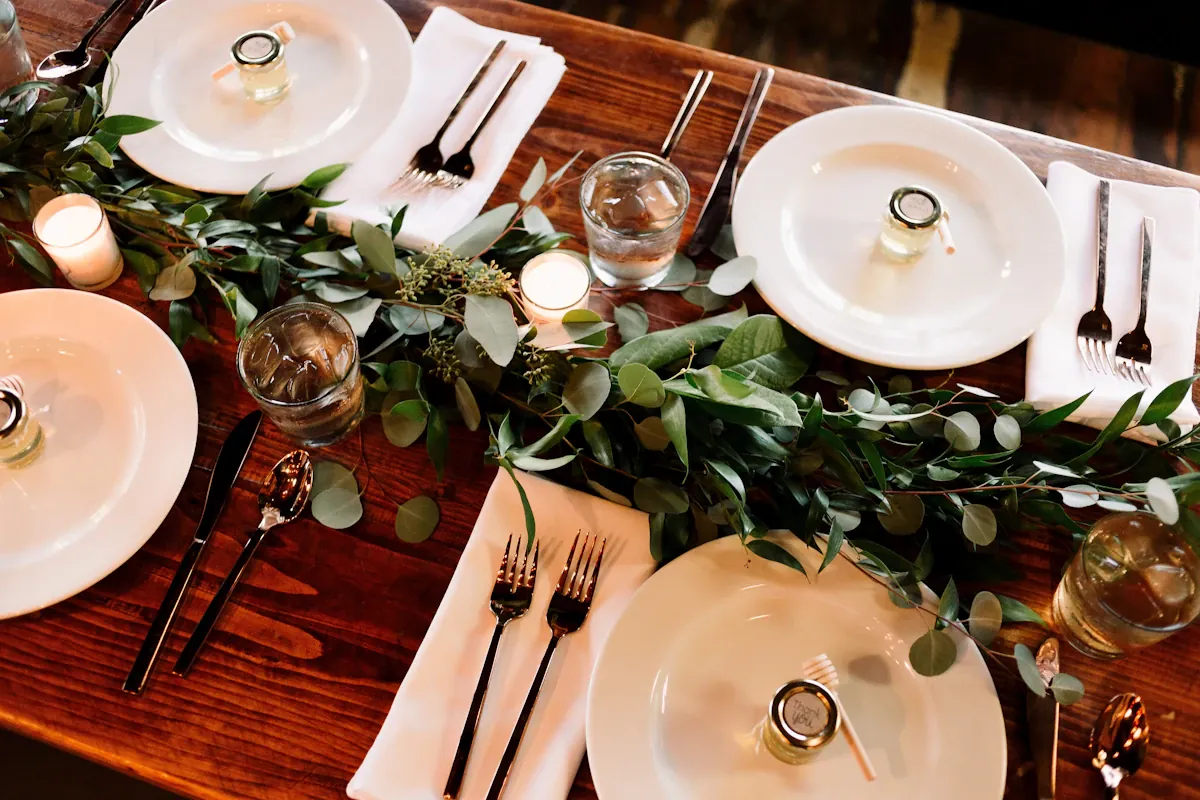
Make a Mixed Plate Stack Easy to Use for Dinner
Make a mixed plate stack easy to use for dinner, checking the wanted size, cupboard opening and ready return before adding another kitchen storage insert.
Shopping note: The retailer links in this article are ordinary links. We are not currently using affiliate tracking. If a link earns us a commission in the future, we will label it. Our disclosure.
A cupboard can hold all the family plates while making the dinner setup unnecessarily awkward. The everyday size is beneath occasional pieces, or a stack sits so close to the hinge that it cannot be lifted cleanly. Arrange the actual crockery around the meal's ordinary movement before adding another insert.
Select one real dinner setup
Choose the plates and bowls used for a normal meal. Count the actual group and identify which sizes are needed most often. Keep occasional serving pieces in a separate role rather than letting their large shape determine every everyday stack.
Use the retained crockery's material and care information where relevant. Different finishes or constructions may require particular stacking or protection. Do not assume that every plate can be treated identically because the colours match.
Test the cupboard entrance
Look at the complete usable opening, including the door and internal hardware. Take a manageable plate group out in the ordinary way and return it. Notice whether the movement catches an edge or requires a more awkward lift than expected.
Keep loads appropriate to the shelving's construction and guidance, and choose a position from which the responsible user can handle the crockery comfortably. A high compact tower is not automatically a better use of space than two lower suitable groups.
Give each regular size a clear route
If two plate sizes are both used often, consider whether separate appropriate stacks make retrieval easier. The smallest piece does not have to be buried merely because a graduated arrangement looks tidy. Keep the configuration stable rather than balancing unsupported pieces to expose every edge.
Before buying a shelf insert or organiser, compare its full footprint with the plates, the cupboard opening and the hand movement. More compartments may reduce the usable space if their supports occupy the only clear lifting route. A paper measurement check can reveal that problem before purchase.
Return ready crockery consistently
After appropriate cleaning and drying, put each size back in its agreed group. Keep pieces still needing attention out of the ready stack. A plate left outside the cupboard may indicate that its intended position is difficult, not simply that someone forgot to tidy it.
Explain a changed arrangement to the household members who set the table or put dishes away. A simple shared understanding is enough; it need not become a detailed kitchen inventory.
After several dinners, review the first repeated obstacle. A different shelf, a lower stack or a clearer division between everyday and occasional pieces may solve it. The useful arrangement supports the whole meal cycle, from choosing the plates to returning them, while the cupboard door and the actual lifting movement remain part of the space being planned.
Related reading
A Dining Table That Works for Dinner and Everything Before It, Confirm the Guest Count Before Setting a Shared Meal.