Compare Knit Pattern With the Jeans Wash That Stays
Compare a patterned knit with jeans already owned, using the wash, visible texture and complete outfit to decide which familiar pairing serves the day.

Shopping note: The retailer links in this article are ordinary links. We are not currently using affiliate tracking. If a link earns us a commission in the future, we will label it. Our disclosure.
Keep the sweater as the constant
When a patterned knit feels difficult to wear, start with the jeans already in rotation rather than searching for another top. Put the suitable sweater beside a familiar pair and look at the complete outfit. The immediate question is how the two surfaces read together, not whether every piece belongs to a new coordinated wardrobe.
Keep the shoes from the day's real plan steady during the comparison. A change in footwear can alter the overall impression enough to obscure what the denim wash contributed.
Keep a concrete comparison note
Keep the knit and suitable shoes fixed while comparing two retained washes where available. Name the actual pair rather than recording only blue jeans. If the darker pair quiets the visible group, check whether the lighter version is still wanted for another real activity. Both can remain useful; the comparison need not become a permanent rule requiring one wash for every patterned sweater.
Compare light and dark areas
Look at where the knit carries its strongest detail. A repeated cable, stripe or color block can remain prominent beside a quieter dark wash, while lighter denim may create another balance you prefer. These are options to compare with retained clothes, not fixed rules that decide every sweater.
Name the actual jeans in a short note if two pairs look similar. A broad phrase such as blue denim may hide faded areas, seams or other visible details that make this particular combination different.
Check texture at an ordinary distance
A close photograph can make a knit pattern seem much busier than it does when the whole outfit is visible. Look at the complete view before adding a second decorative element to balance it. The sweater and jeans may already give the amount of detail you want.
If the group feels too visually busy, try one suitable retained alternative while the knit stays the same. Removing an optional scarf or changing a bag can be enough where that is the actual competing detail. Another purchase should answer a specific unmet role rather than repeat the same uncertainty.
Include the outer layer you need
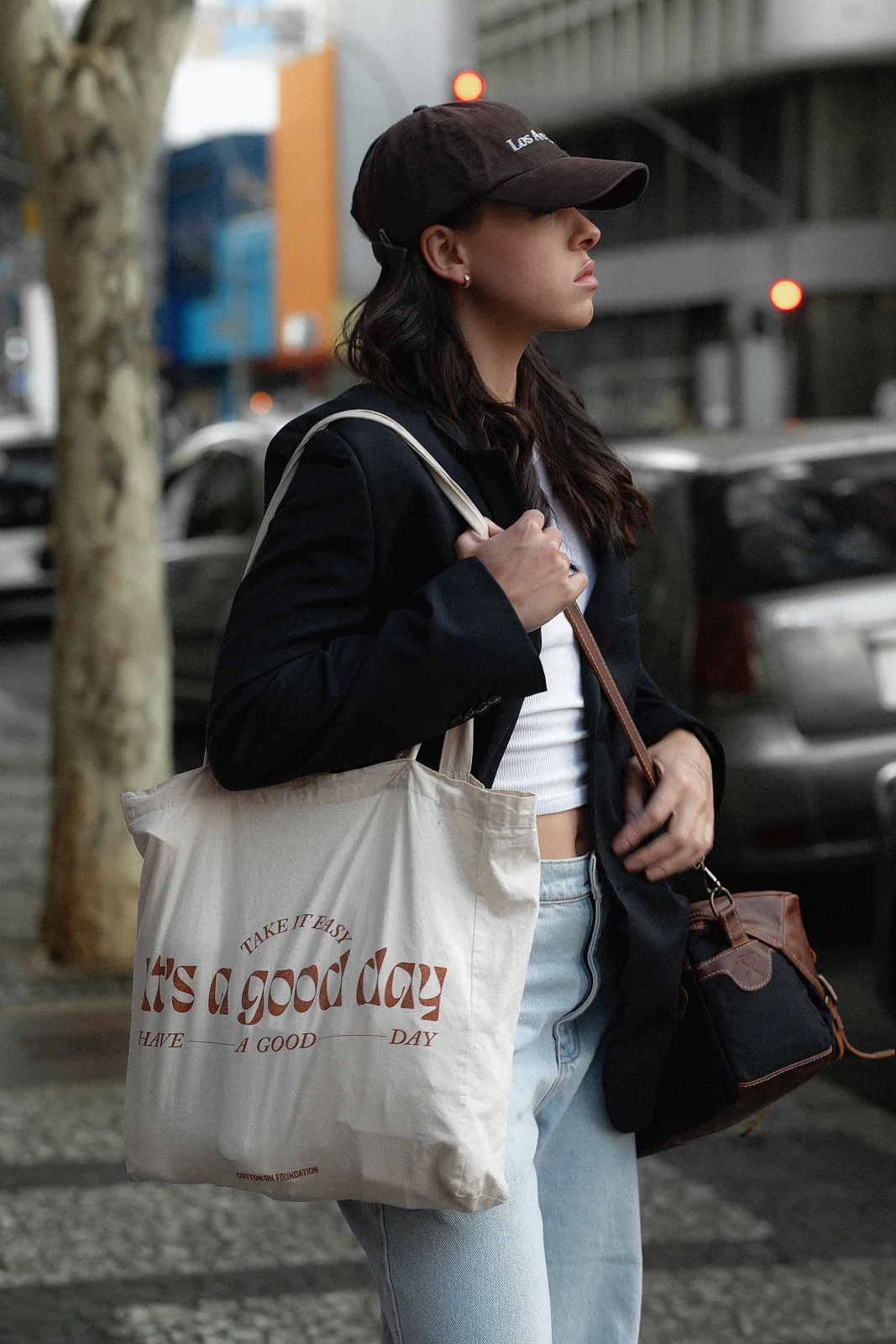
Try the suitable coat or jacket intended for the plan and notice which portions of knit and denim remain visible. An open arrival view and the indoor outfit can feel different while both remain useful. Keep the person's comfort and actual activity central rather than preserving a single photograph.
Follow the garments' relevant care and use information. Visible texture does not establish fiber content or performance, and a successful color pairing does not resolve an unfinished fit or condition question.
Save the useful pair, not a universal formula
Record the specific knit, jeans and suitable shoes if the combination serves a recurring day. Keep that reminder modest. The next sweater may have a different pattern scale, and another pair with a similar color name may not create the same relationship.
What if the retained dark wash feels too strong? Compare an appropriate lighter option without changing the whole outfit. What if both pairs work? Keep them for the actual plans they serve rather than inventing a rule to choose one permanently. A considered knit-and-denim comparison gives existing clothes a clear repeatable role and leaves personal preference more important than matching a trend image.
Related reading
Getting Dressed Again When Your Old Wardrobe No Longer Feels Right, Make a Family Clothing List From Real Outfit Gaps.