Compare Jeans With the Tops Already Worn
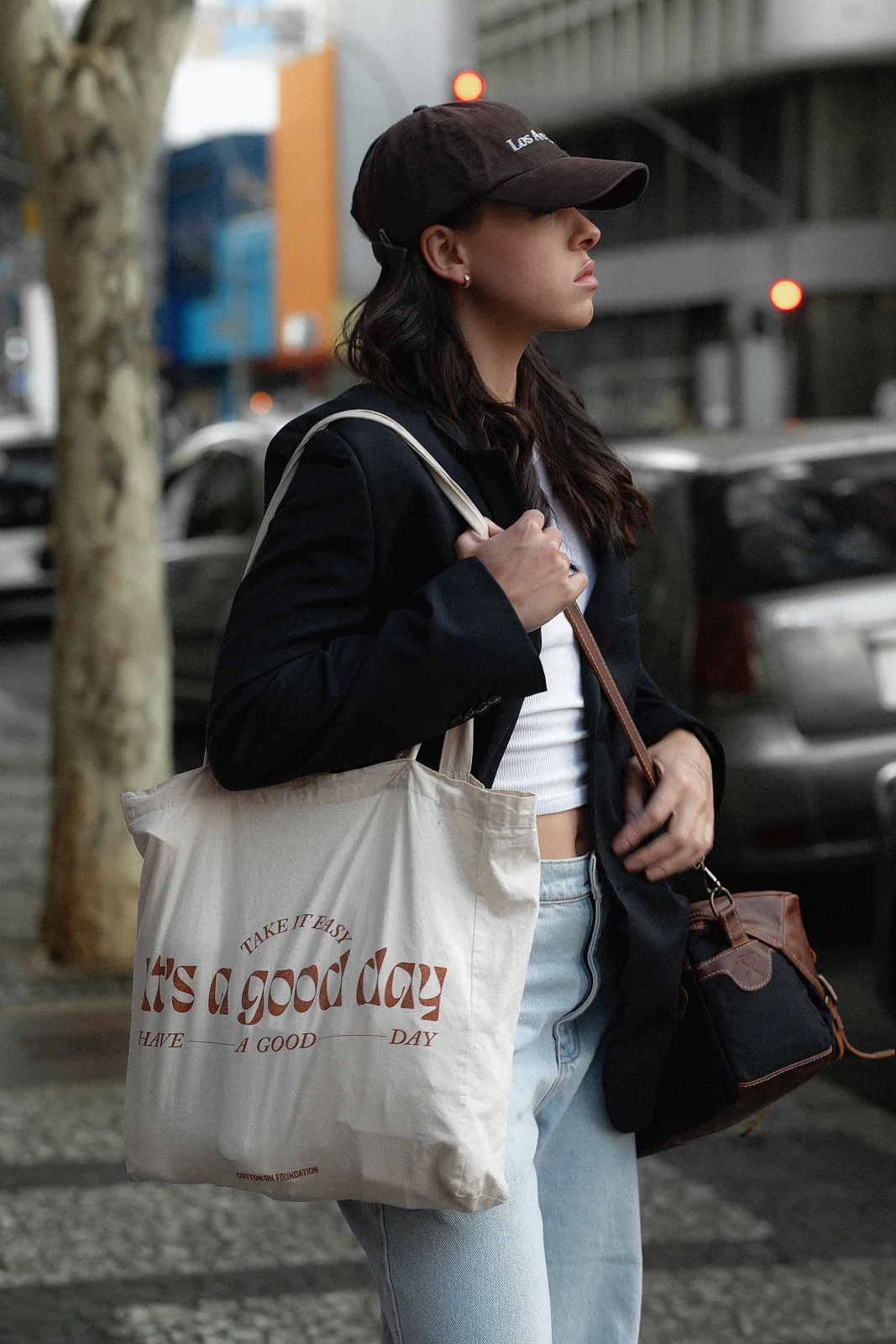
Compare jeans with the top colors already worn, using a steady complete outfit to identify a useful pairing before treating a visual wish as a real wardrobe gap.
Shopping note: The retailer links in this article are ordinary links. We are not currently using affiliate tracking. If a link earns us a commission in the future, we will label it. Our disclosure.
Start with the jeans that serve the day
A pair of jeans can become easier to use when its relationship with familiar top colors is clear. Choose the suitable retained pair for the actual plan and keep the shoes steady. Begin with one top already worn rather than a new inspiration outfit requiring several purchases.
Keep the person's needs and actual garment requirements central. The color comparison is a personal styling exercise, not evidence that a particular cut or material suits every activity.
Keep a concrete comparison note
Keep a small comparison with the actual jeans as the anchor. Name one top that creates stronger contrast and one that feels quieter where suitable retained choices exist. Add the real plan beside the preferred pairing. If several combinations work, the useful result is a set of current options rather than a shopping gap created by an imagined missing color.
Compare the actual wash
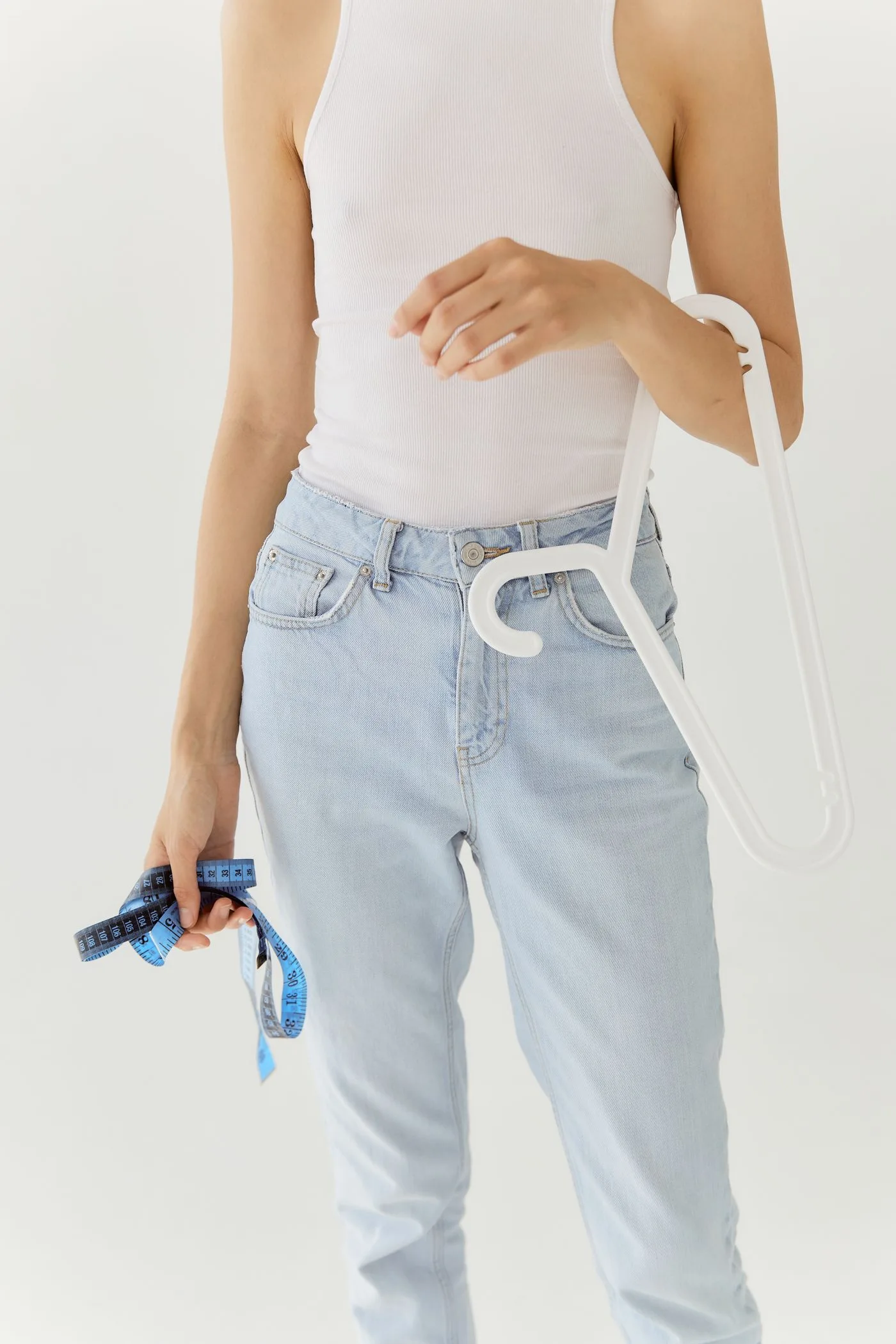
Look at the real jeans beside the chosen top in ordinary light. A broad description such as blue denim can hide faded areas, seams or other visible detail that changes the relationship. Name the specific pair in a short note where several similar products share the wardrobe.
If another suitable retained wash is available, compare it while the top stays steady. Changing the whole base at once makes it harder to identify whether the denim tone or another detail created the useful difference.
Choose one question about the top
Decide whether the uncertainty concerns contrast, visible pattern or another actual feature. A darker top may change the color relationship while leaving a strong print just as prominent. A plainer top can answer a pattern question without requiring a different denim purchase.
Keep the full outfit visible rather than judging only a fabric crop. Small details can read differently at an ordinary distance from the close product image that first attracted attention.
Include the layer actually needed
Try the appropriate coat or jacket for the day and notice what remains visible. A top that works as a narrow strip under an outer layer still needs a real role when that layer comes off. Consider the indoor activity rather than selecting every piece only for arrival.
Choose accessories through their genuine task and actual product information. A suitable bag should serve the required contents, and another color accent is optional rather than a compulsory way to make two retained garments agree.
Identify a gap only after comparison
If the retained combinations serve the actual plan, keep that useful result. A missing theoretical color does not automatically create a wardrobe need. If a genuine requirement remains unmet, describe the specific activity and garment role before browsing.
What if several top colors work? Preserve the relevant alternatives instead of inventing one permanent rule. What if the preferred pair needs care? Complete its actual required stage before treating the outfit as ready. A considered jeans-and-top comparison makes the retained wardrobe more understandable while leaving the real person and day central.
Keep any saved reference specific to the actual pieces. A similar new top can have a different neckline, construction or care requirement even when its broad color name remains the same.
Related reading
Make a Family Clothing List From Real Outfit Gaps, A School-Run Capsule Wardrobe for the Week You Actually Have.