Pack a Handmade Family Gift With Its Care Information
Finish a small craft gift with clear identification, appropriate packaging and a realistic handover.
Shopping note: The retailer links in this article are ordinary links. We are not currently using affiliate tracking. If a link earns us a commission in the future, we will label it. Our disclosure.
Choose a gift suited to the recipient
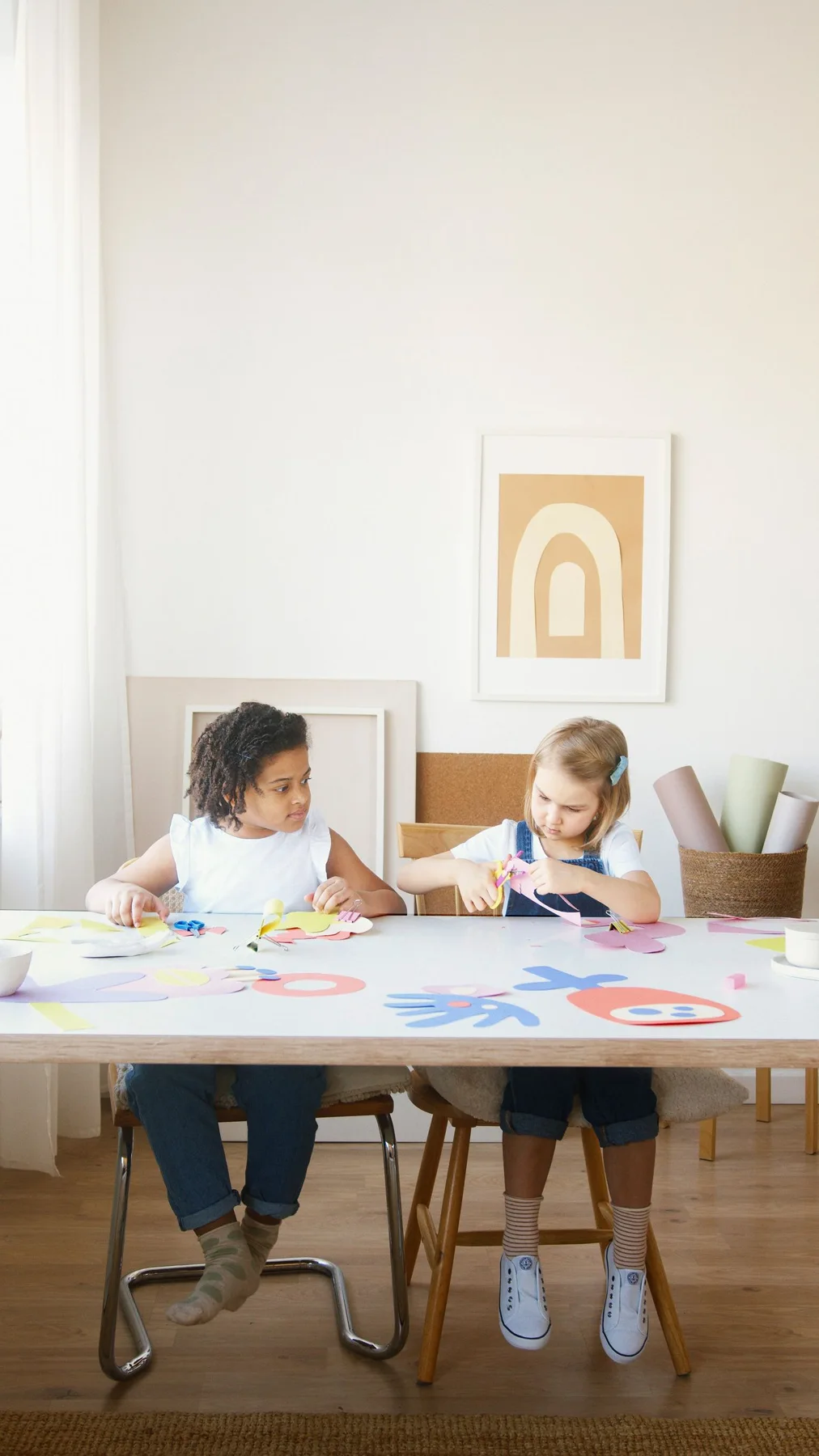
A handmade family gift can feel personal without becoming a complicated project. Begin with the recipient and the actual use of the object. A card, drawing or simple age-appropriate craft may be more suitable than an ambitious item that depends on materials or techniques the household has not assessed.
Follow all product age, safety and supervision information for the materials and tools. The adult should choose suitable tasks and handle anything beyond the child's abilities. A personal gift does not need a claim that the family has produced a professional-quality object or a product suitable for every use.
Let the making stage finish properly
Read the materials' instructions for drying, curing or other finishing requirements. Do not package a project before it is appropriately ready merely because the visit is approaching. Include that time in the plan before choosing the activity.
Keep the finished object in a suitable position while it waits. Protect it from spills or unsuitable handling without creating a crowded shelf or blocked route. If the project cannot be completed appropriately in time, choose a simpler gift or a later handover instead of improvising a finish whose suitability is uncertain.
Keep useful information with the gift
Where the recipient needs care or use information, provide it clearly and honestly. Preserve relevant product details where they matter. Do not make unsupported claims that a craft is food-safe, washable, suitable for small children or appropriate for another particular purpose.
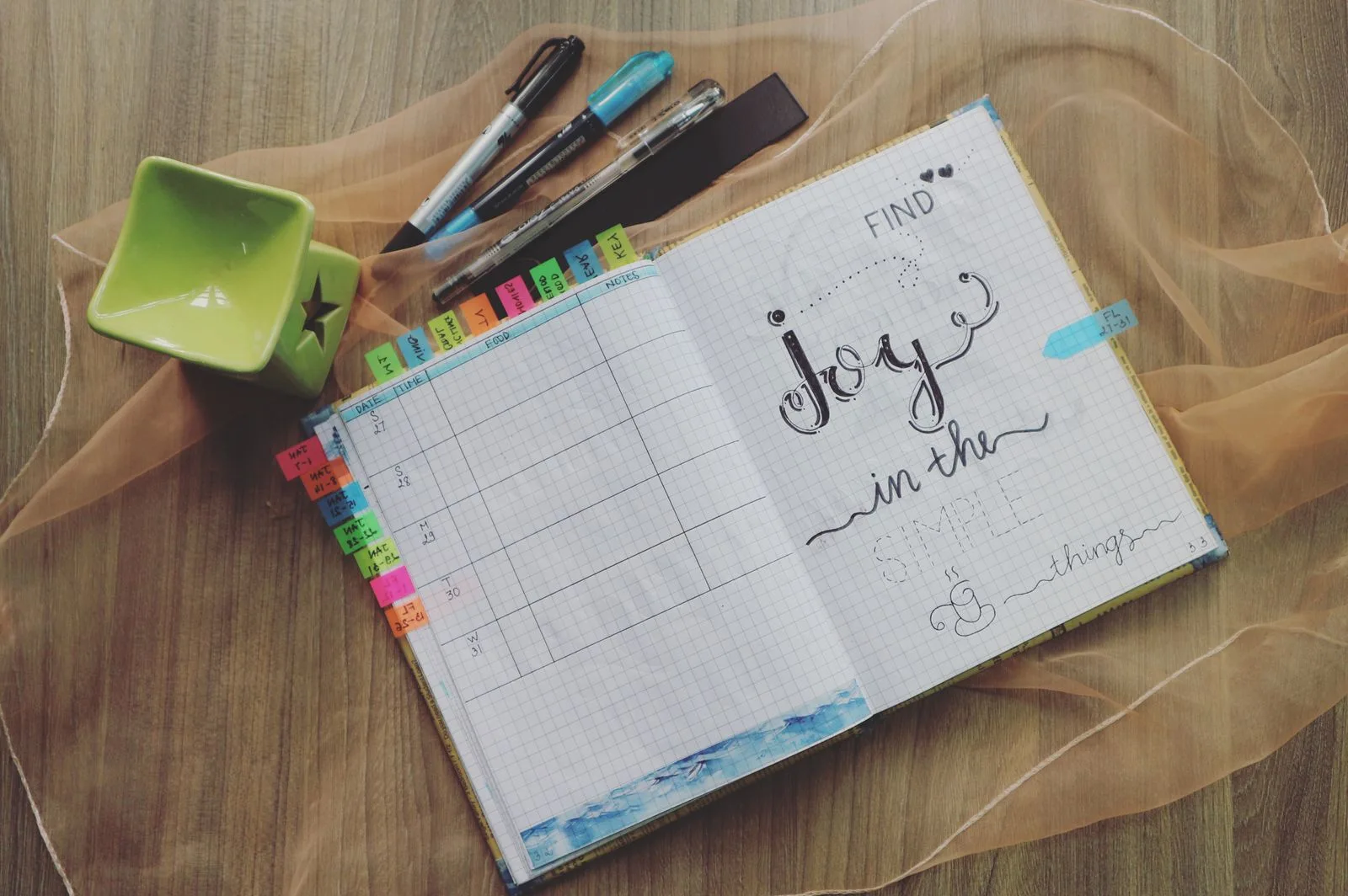
A short note can identify who made the item and the intended use. Keep the wording appropriate to the actual object. If the project is decorative, describe it as decorative rather than encouraging the recipient to use it in a way the materials have not been assessed to support.
Choose manageable packaging
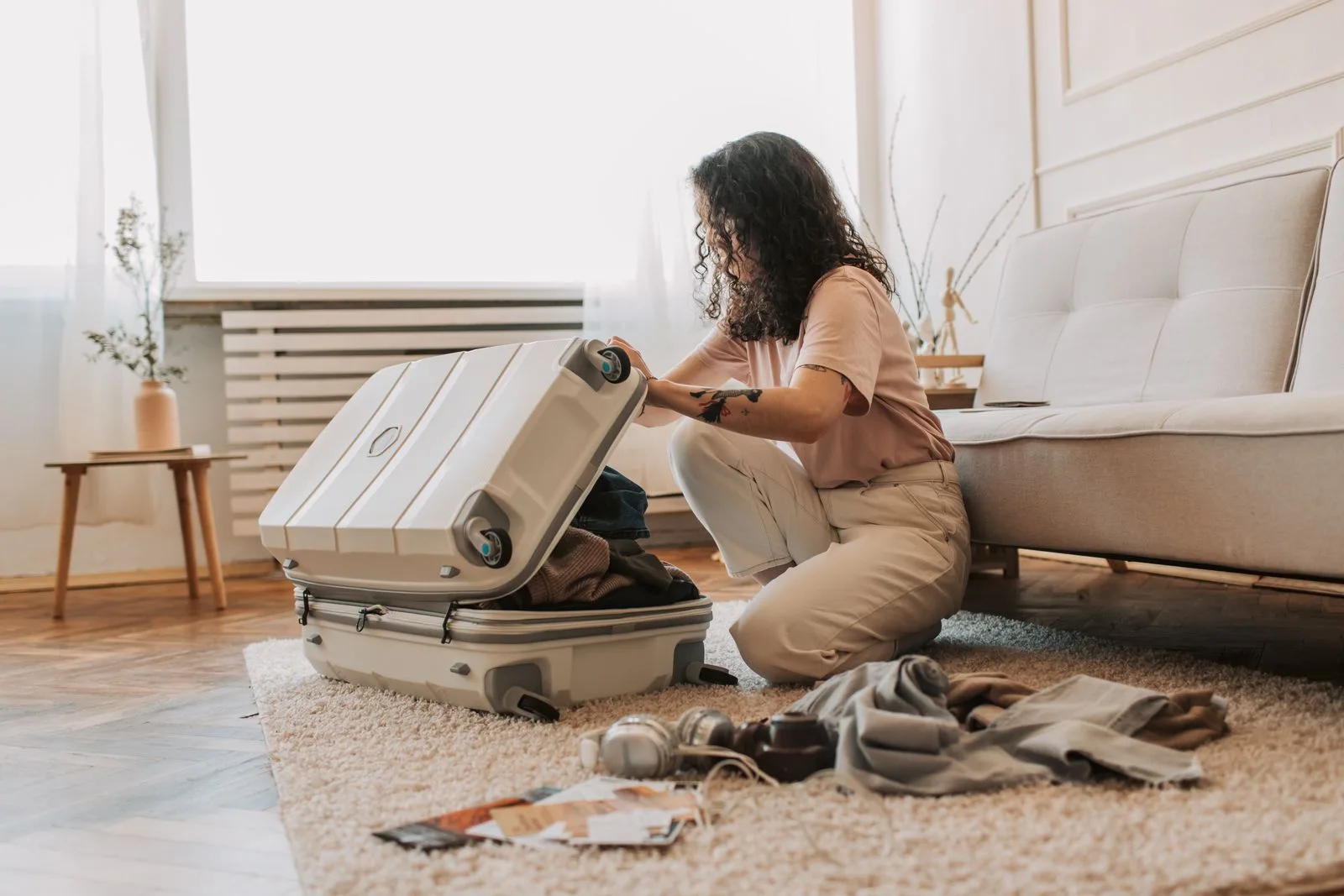
Use packaging that protects the object appropriately through the planned journey. Check its size and weight and consider any delicate parts. A large decorative box can create another storage obligation for the recipient, while inadequate wrapping may leave the gift damaged before arrival.
Keep packaging materials handled and stored suitably around children. The adult should manage tasks and products that require supervision. Avoid adding small decorative pieces purely to make the package look fuller if they create unnecessary handling or suitability concerns.
Make the handover easy
Choose when and how the gift will be given so the recipient can receive it comfortably. If it is being sent, check the carrier's current requirements directly for the actual item and packaging. Do not assume that a homemade object is accepted under every service or that fragile packaging guarantees safe transport.
Our host-gift guide helps keep a gift considerate of the recipient's day. The weekend guide can make room for a manageable project. A clearly identified small gift with an honest note can be more thoughtful than an elaborate presentation that hides what the object is for.
Before wrapping, place the object, any useful care information and the personal note together. Check that the recipient can identify the intended use without a separate explanation from the maker. Photograph the finished object for the family’s own memory if desired, rather than keeping extra copies solely because the packaging is already prepared. Let the child contribute an appropriate part of the note or presentation with adult help. Keep the handover proportionate to the occasion and avoid making the recipient responsible for displaying or using the gift in a particular way. A personal gesture can leave room for their preferences.
Handmade-gift questions
Does the gift need professional packaging? No. Suitable protection and clear information matter more than a commercial appearance.
Should I include a care note for a drawing? Include information only where it helps the recipient understand the object or materials. A simple card may need no elaborate instructions.
What if the child wants to make something unsuitable for the recipient? Help choose an appropriate alternative and keep the conversation positive. The adult can support a personal gesture while still being responsible for the materials and intended use.