Try a Green Coat With the Neutrals Already Owned
Try a green coat with suitable neutrals already owned, comparing one retained base at a time instead of building a new matching accessory collection around the color.
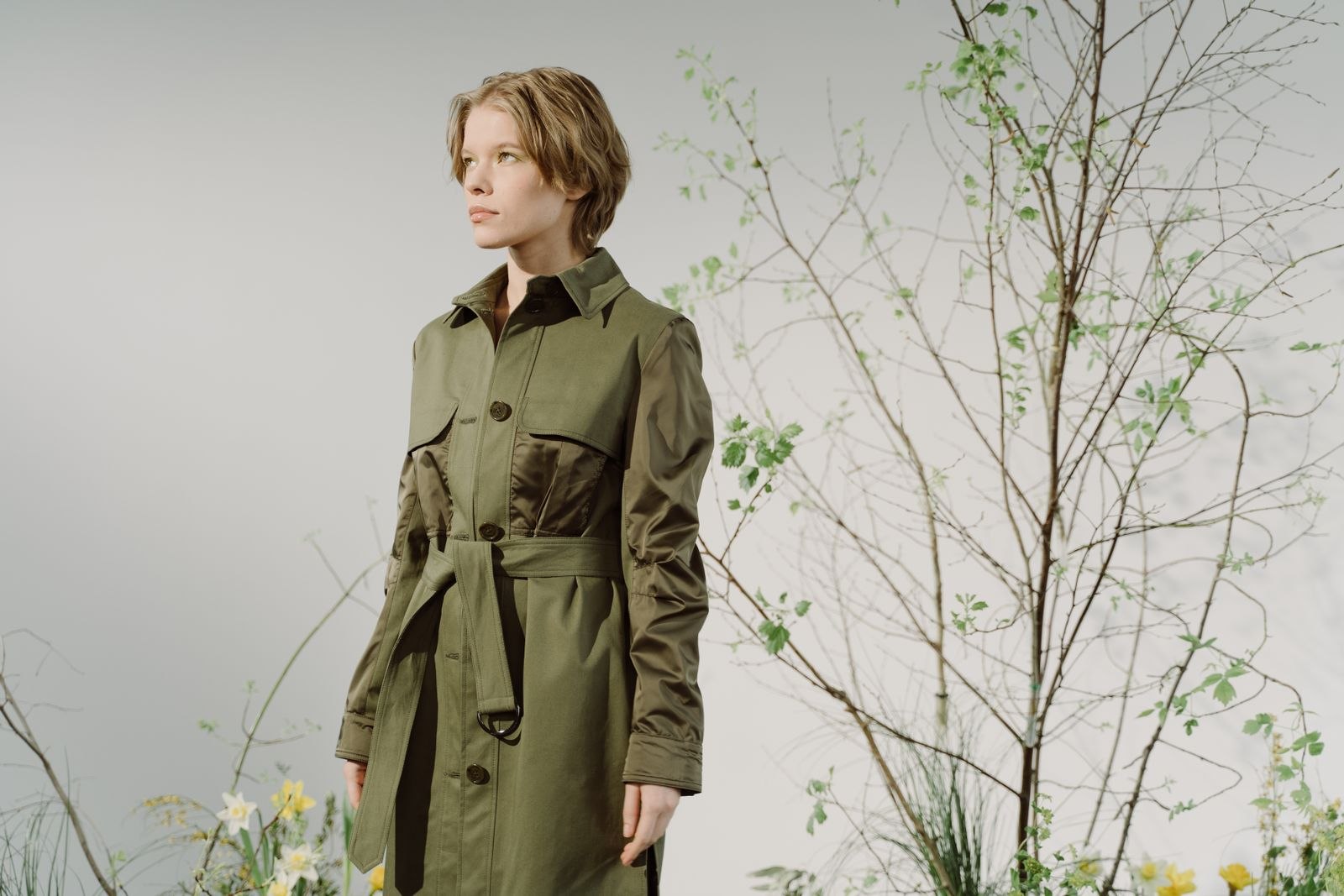
Shopping note: The retailer links in this article are ordinary links. We are not currently using affiliate tracking. If a link earns us a commission in the future, we will label it. Our disclosure.
Let a familiar base anchor the coat
A green coat can become easier to choose when it has a clear relationship with clothes already in rotation. Begin with a suitable retained top and lower half for the actual day, then add the coat. Keep the shoes steady so the color comparison remains understandable.
The aim is another useful role for existing pieces, not a new wardrobe built around one shade. A quiet or stronger contrast can both be deliberate where the real garments and person's preference support them.
Keep a concrete comparison note
Choose one suitable neutral base and keep it steady while looking at the actual coat in its intended views. Name the exact top and lower half rather than recording a broad rule about neutrals. If another retained base also works, keep its real context separately. A coat color need not become a reason to replace the accessories already serving the day.
Compare the actual green tone
Look at the coat beside the retained base in ordinary light. A broad color name can cover many appearances, and separate product photographs may not show the relationship in the room. Keep the actual garment identifiable where several similar layers share the wardrobe.
If the combination feels unresolved, describe the particular question before adding another accessory. The top neckline, visible lower half or another real feature may matter more than an assumed need to repeat green somewhere else.
Keep the amount of contrast visible
Consider the coat in the positions appropriate to its actual use. An open view can show more of the neutral base, while a closed arrangement changes the balance. Follow the product's requirements rather than forcing a fastening or fold to preserve a preferred photograph.
Try one suitable retained alternative at a time where helpful. Replacing the trousers, top and bag together can make it hard to identify whether the color relationship or a completely different outline created the result.
Give the indoor base its own role
Look at the outfit when the coat is removed. The top and lower half should serve the real activity independently of the outer layer. Keep fit, comfort and condition questions separate from the decorative comparison, with appropriate support where a particular issue needs it.
Select the bag around its actual contents and relevant product guidance. A matching tone is optional, while the accessory still needs a genuine role. A green coat does not automatically require a new scarf, shoes and bag to feel considered.
Keep the specific useful combination
Record the actual coat, base and suitable shoes if the outfit serves a recurring day. A modest note can preserve what the comparison established without creating a formula for every green garment. Return the pieces through their own care requirements after use.
What if one neutral pair works and another does not? Keep that honest distinction instead of making a rule about the color as a whole. What if the real plan calls for different outerwear? Choose appropriately and preserve the useful base. A considered green-coat outfit connects retained clothes through one clear local relationship while leaving the actual person and activity central.
Revisit the note after a garment changes. Similar color labels do not establish identical outlines, construction or product requirements.
Related reading
A School-Run Capsule Wardrobe for the Week You Actually Have, Washable Layers Worth Considering for a Busy Wardrobe.