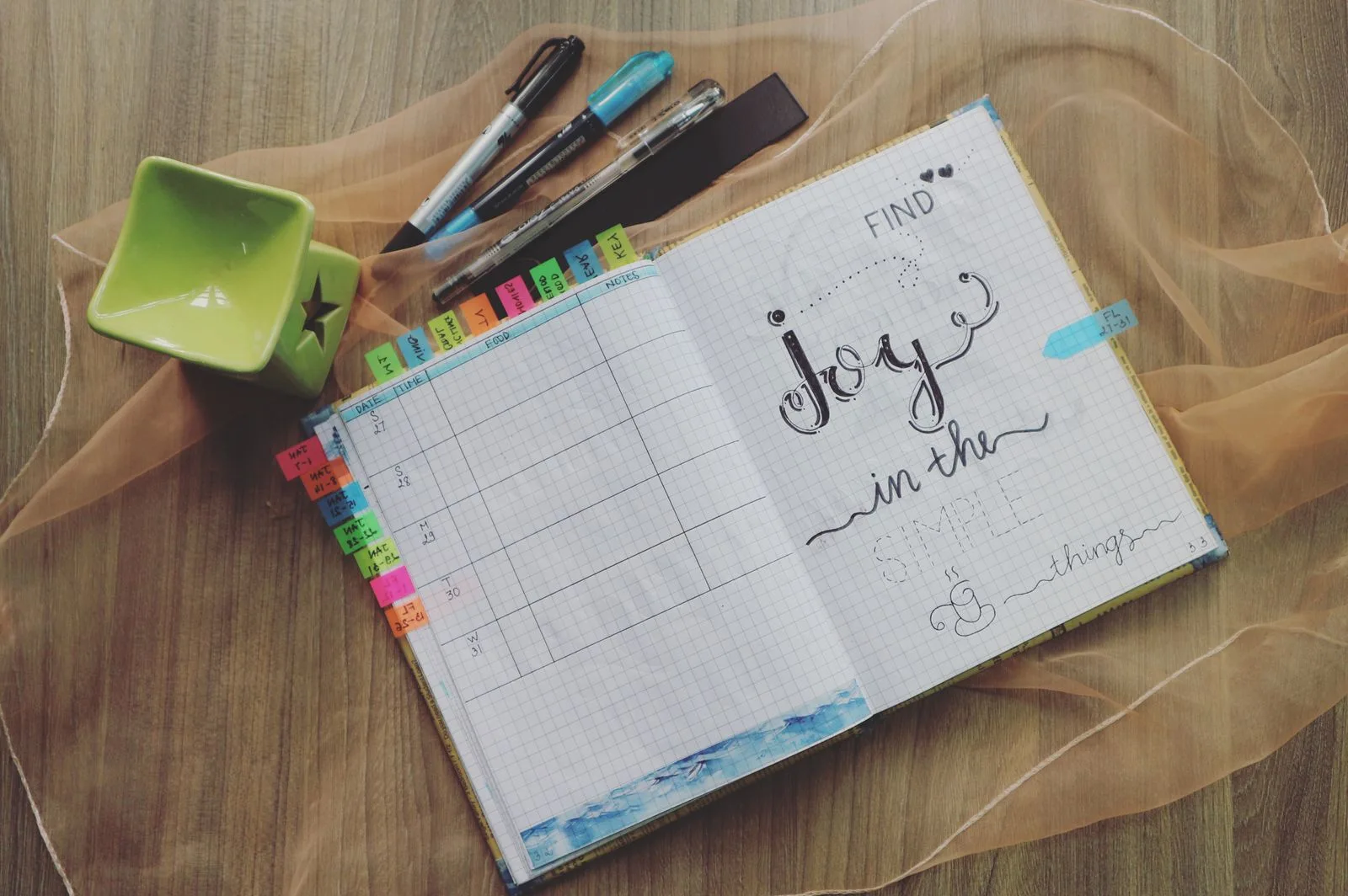
Make a Shared Reading Stopping Point Easy to Find
A shared book can be interrupted by dinner, bedtime or another household activity.

Shopping note: The retailer links in this article are ordinary links. We are not currently using affiliate tracking. If a link earns us a commission in the future, we will label it. Our disclosure.
Agree what the stopping point means
A shared book can be interrupted by dinner, bedtime or another household activity. Before closing it, agree where the group wants to return. A clear stopping point makes the next session easier without requiring everyone to remember the final sentence.
Different books need different references. A chapter number may be enough for one story, while a picture book may need the page opening identified. Keep the method suited to the actual book and the participants rather than introducing a detailed reading log by default.
Choose a book-friendly marker
Use a suitable bookmark under the book's handling requirements. Avoid folding borrowed pages or leaving bulky objects inside a binding. A simple flat marker can work where its material and use suit the actual book.
For a borrowed book, keep any lender or library information identifiable. Our library return guide supports that separate responsibility. The bookmark records the reading position; it should not obscure a return requirement or become a replacement for knowing whose book it is.
Include whose place is being marked
If several people read the same book independently, discuss how their places remain distinct. Agreed initials on separate suitable markers may help, but a private color code can confuse the next reader. Keep personal preferences and sharing permission clear.
Do not assume that a child wants an adult to move their marker to the household's shared point. Ask which reading belongs to the group and which is their own. Appropriate adult help can make the distinction understandable without treating a misplaced bookmark as a failure.
Keep conversation notes small
If the group wants to remember a question or prediction, use a separate suitable note rather than writing in a borrowed book. Name the relevant chapter or page so the thought remains connected to the text.
Keep this optional. A shared story does not need to produce a worksheet after every session. The useful note is one the participants want to revisit, not an adult-generated list of questions that turns the next reading into an unexpected assignment.
Return the book to a known place
Choose where the current shared book waits between sessions. Keep it separate from books already finished or due to return. The position should suit the book's care needs and the household's ordinary room use.
Our shared reading setup connects the book with a suitable session. At the next reading, check the marker together and allow a brief recap if wanted. A small reliable cue is enough; the household does not need to recreate the previous evening exactly.
Bookmark questions
Does every session need written notes? No. Record only what the group actually wants to remember.
Can several readers share one marker? Only if it represents the same agreed place; otherwise clarify whose point it marks.
What if the marker falls out? Use the remembered chapter or scene together rather than treating the missing cue as a problem with the reader.