Agree a Simple Ending Cue for a Family Park Visit
Agree a Simple Ending Cue for a Family Park Visit. Practical choices for the family routine and belongings you already have.

Shopping note: The retailer links in this article are ordinary links. We are not currently using affiliate tracking. If a link earns us a commission in the future, we will label it. Our disclosure.
Talk about the ending before the visit begins
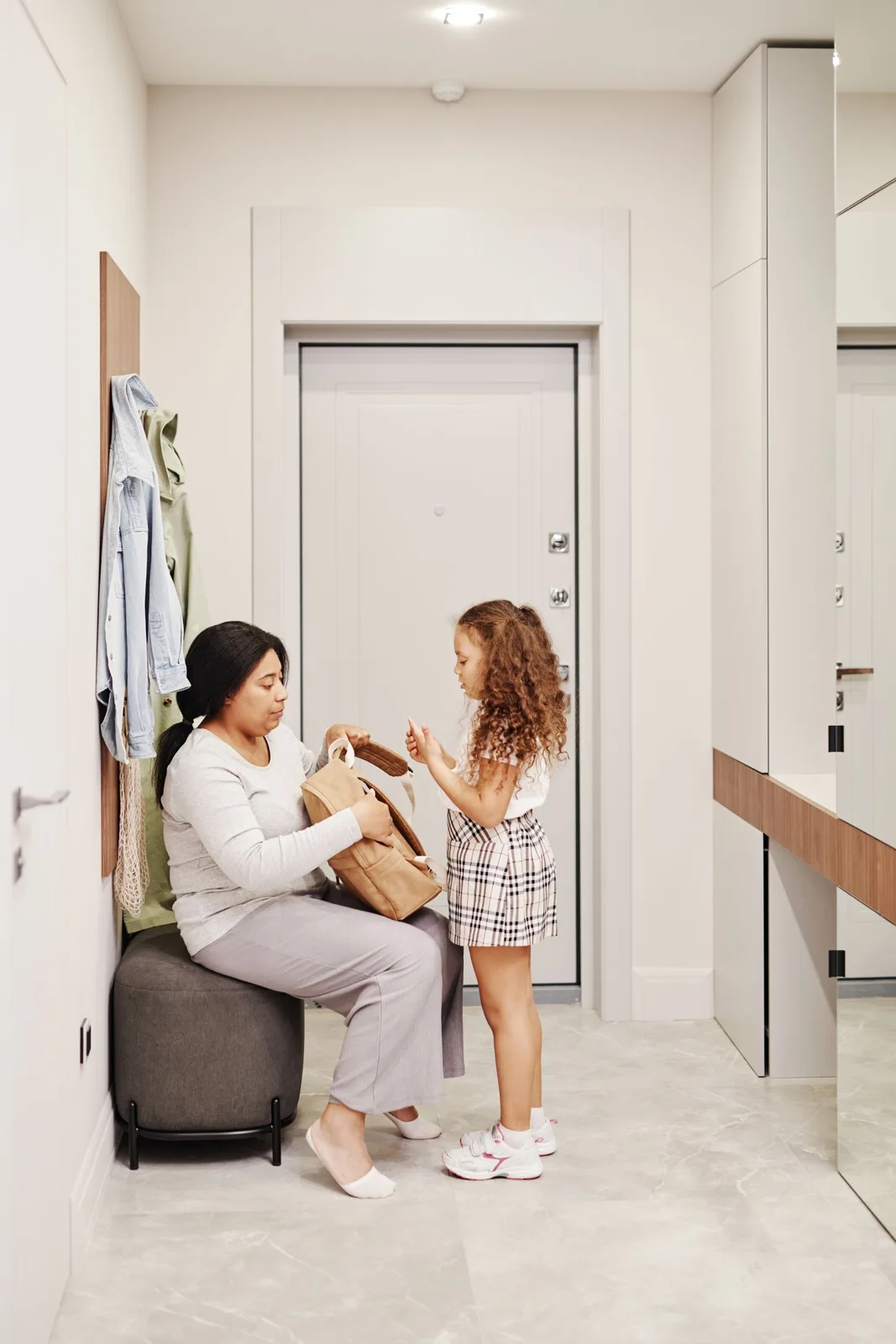
A family park visit can feel less clear at the end when one person expects another activity and another is already packing to leave. Before setting out, discuss a simple ending cue suited to the actual family and visit. The cue might be a shared check-in or an agreed final suitable activity, rather than an elaborate countdown system.
Keep the plan realistic around the location, the people and current conditions. This article is a household communication suggestion, not a behavioral guarantee or professional parenting advice. Different families and children may need different appropriate arrangements.
Make the cue understandable
Use plain words that the actual participants can follow. Explain what happens after the cue: collect belongings, return through the chosen suitable route and move to the next stage. Avoid assuming that an adult's glance at a phone communicates the same decision to everyone.
Our weekend outing-bag guide starts with the actual trip. The ending belongs in that trip plan too, including the belongings and personal needs that have to be handled before leaving.
Keep the plan flexible for real conditions
Follow the park's current rules and respond appropriately to actual weather, access and other conditions. An agreed cue is not a reason to remain in an unsuitable situation or ignore a participant's needs. Explain a changed plan clearly instead of pretending the original agreement still describes the visit.
Where a child needs another kind of support, use appropriate personal or professional guidance. A general article should not diagnose a difficult departure or promise that one phrase resolves it. The practical aim is shared understanding, not control through a perfect script.
Collect the belongings in a clear order
Give each appropriate participant a manageable role in gathering the actual items. Keep the equipment's requirements and personal capabilities in view. Avoid asking everyone to collect everything at once while another person searches for an unassigned bag.
The picnic handover guide clarifies shared tasks before unpacking. A departure benefits from that same clarity: identify the belongings, their owners and the appropriate next destinations.
Review the cue without grading the outing
After returning, notice whether the ending was understandable and whether any practical obstacle made it harder. A missing storage place or an unclear next step can matter as much as the words used. Change the specific issue rather than treating the whole visit as a success or failure based on its last few minutes.
What if the family wants to stay longer? Discuss what is appropriate under the actual circumstances. What if the cue did not work? Reconsider its clarity and suitability without promising a universal replacement. A modest ending plan can make a shared visit easier to understand while leaving the day responsive to the people present.