Explain a Family Game Through the First Ordinary Turn
Explain a family game through its first ordinary turn, keeping the actual rules visible and distinguishing a demonstration move from the starting position.
Shopping note: The retailer links in this article are ordinary links. We are not currently using affiliate tracking. If a link earns us a commission in the future, we will label it. Our disclosure.
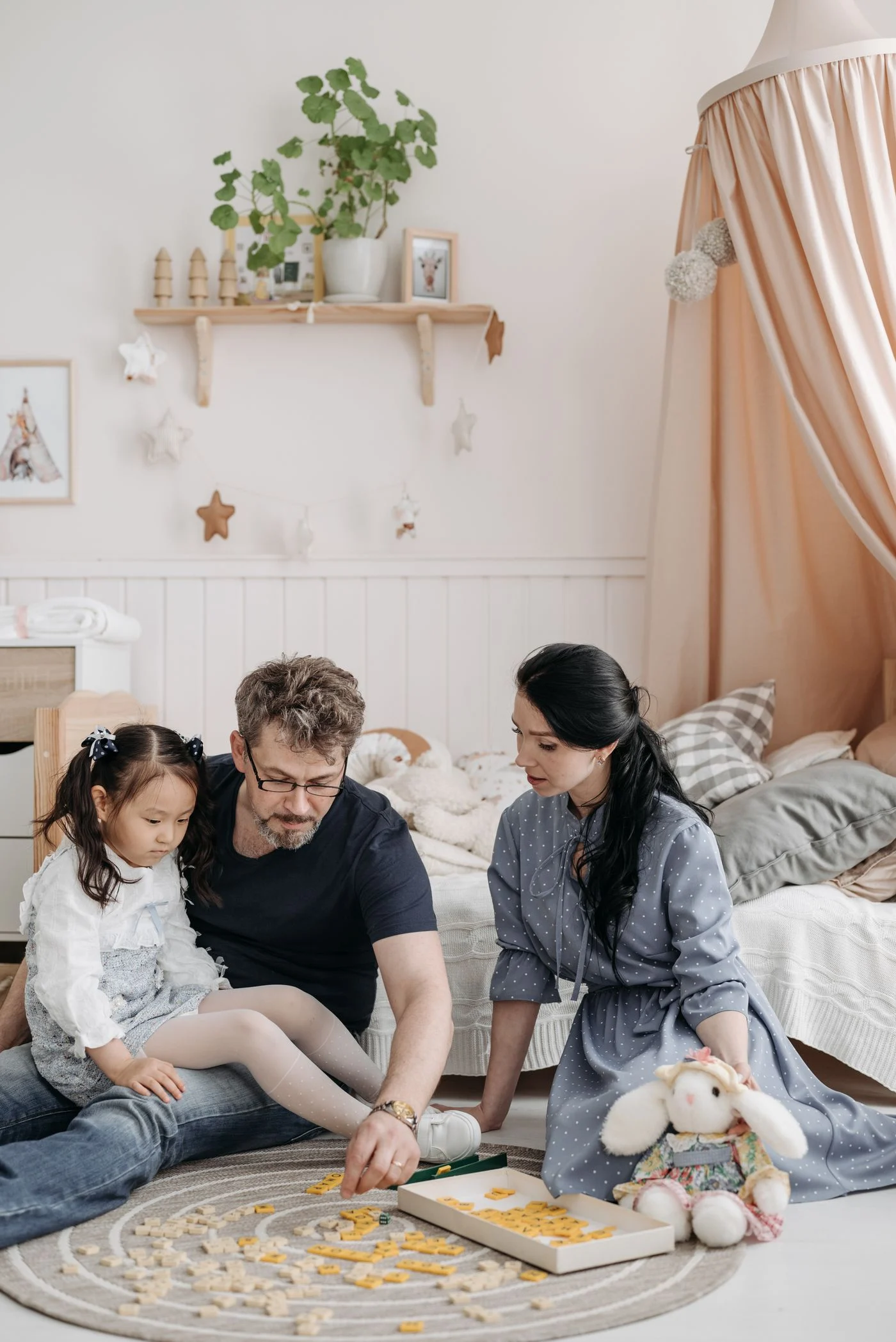
A family game can begin with a clear goal and one ordinary turn rather than a long speech about every possible event. Use the real rules as the reference and demonstrate the basic sequence. The aim is to give everyone a shared beginning, including people who have not played before.
Name the goal before the details
Explain what players are trying to achieve and how the game ends. A person can understand where to place a piece without knowing why that move matters. Keep the goal in the game's actual terms so it can be checked against the printed instructions.
Arrange the playing area so the participants can see the relevant pieces. Choose a suitable game and roles for the people involved, following its age and use information. A family activity does not require every participant to take the same role or finish a full session.
Demonstrate one normal turn
Show the starting action, an ordinary choice and the point where the turn passes to the next player. Avoid introducing a rare exception as the first example. Explain one special term when it appears rather than asking new players to remember a list of unfamiliar words in advance.
Restore the demonstration pieces to the correct starting position before real play begins. Otherwise the teaching move can quietly change the game. Say clearly when the example is over and the first actual turn starts.
Keep questions within reach
Leave the supplied rules available and pause when a player asks about the current action. Look up an uncertain answer instead of presenting a confident guess as the published rule. It is easier to share a short check than to unwind several turns later.
If the group agrees an optional variation, describe it as a variation. A shorter family session may be wanted, but a new player should know which part differs from the original rules. Check that the agreed ending remains understandable.
Let the first round teach the sequence
Give the first player enough time to follow the steps. Another person can point to the relevant rule or demonstrate without taking over their choice. Avoid treating a missed detail as evidence that the listener was not paying attention.
After a full round, ask whether one part still needs clarification before adding another explanation. A concrete question about the next action is more useful than repeating the entire introduction.
At the end, return the pieces to their correct storage and preserve any agreed pause information appropriately. Note the instruction that caused the most confusion so it can be demonstrated earlier next time. A useful first-turn explanation supports a shared game, with the rules and the players' actual questions remaining more important than delivering a perfect speech.
Related reading
Set Up a Family Board Game Without Losing the Table, A Family Weekend at Home With Enough Plans and Enough Space.