Compare a Day Dress With One Plain Retained Layer
Compare a Day Dress With One Plain Retained Layer. Practical choices for the family routine and belongings you already have.
Shopping note: The retailer links in this article are ordinary links. We are not currently using affiliate tracking. If a link earns us a commission in the future, we will label it. Our disclosure.
Choose one retained layer for the comparison
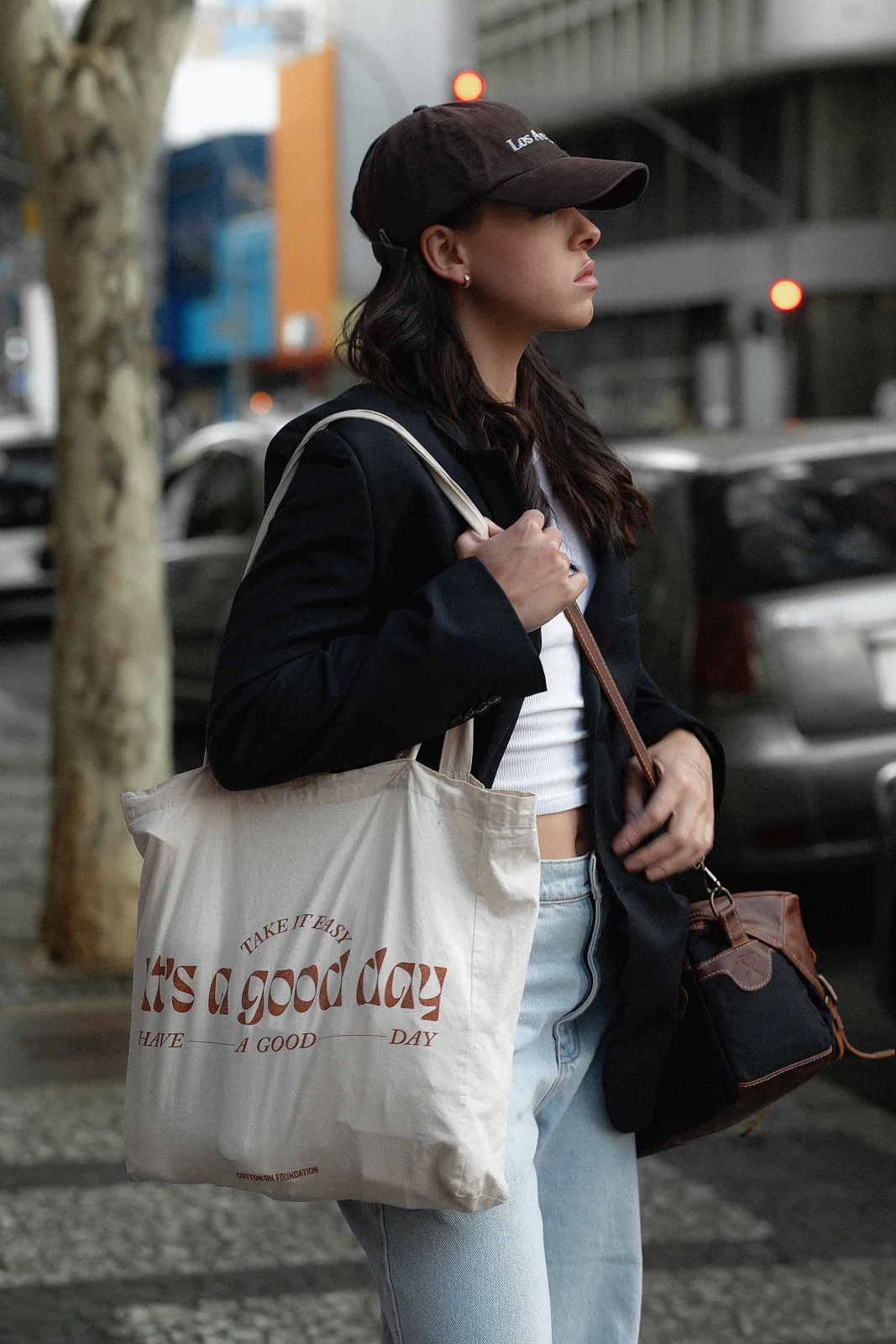
A day dress can become easier to assess when it is compared with one actual jacket or cardigan rather than several possible purchases. Choose the layer likely to be worn for the real day and put the pieces together. Keep the intended activity and personal needs ahead of the desire to reproduce an inspiration image.
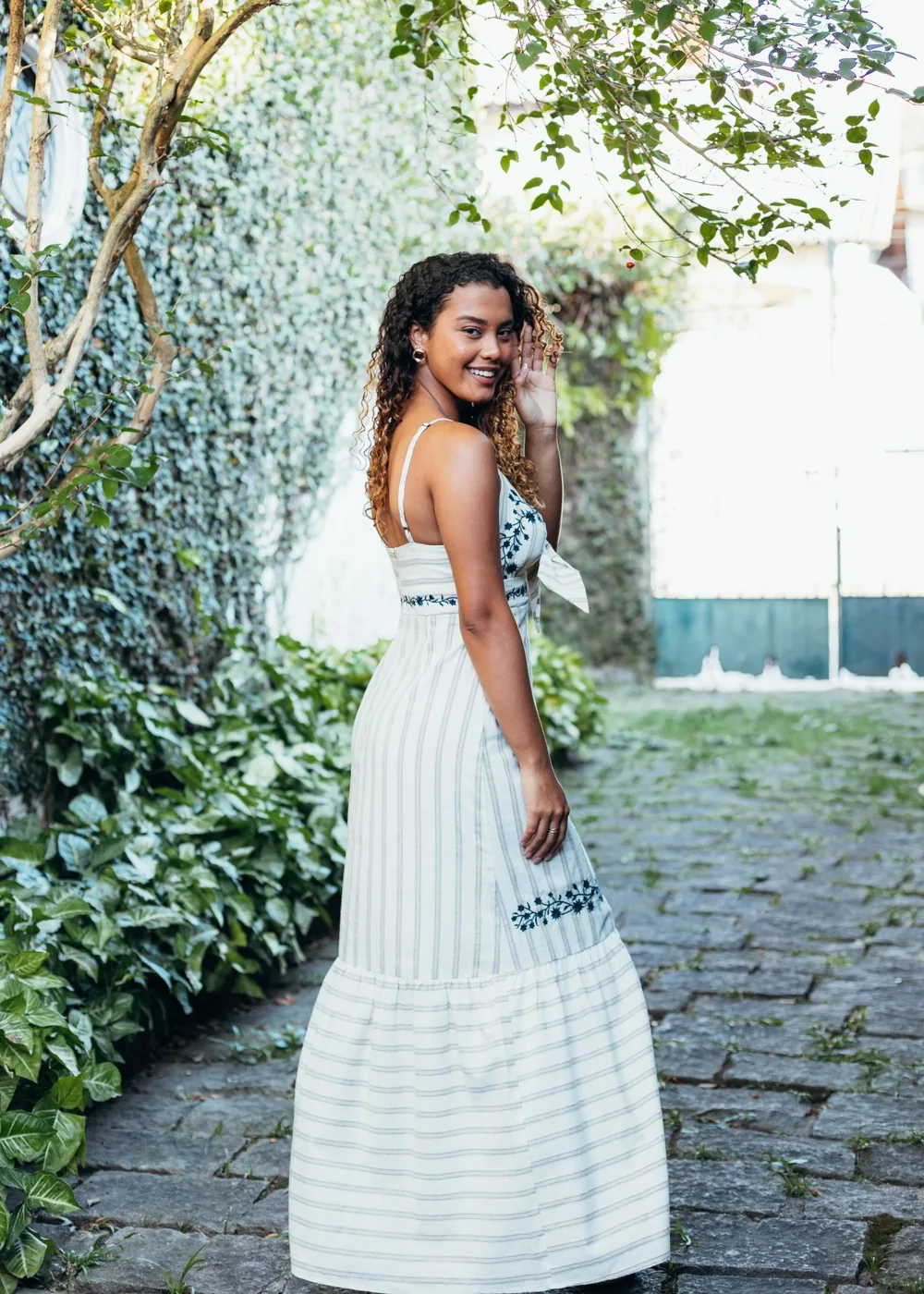
A pale dress photographed on a garden path illustrates an outfit idea, not a verified fabric, fit or seasonal performance claim. Read the actual garment information and keep genuine observations separate from assumptions about all light-colored dresses.
Look at the whole outline
Compare the layer's length, fastening and visible shape with the dress. A plain surface can leave the dress prominent, but it does not have to disappear completely. Decide whether the relationship is personally enjoyable from the front, side and ordinary seated view.
Our day-dress movement guide considers the garment through actual use. Add the layer to that comparison rather than judging it only held beside the dress on a hanger.
Try the sleeves together
Use the actual closures and try appropriate ordinary movements. Notice whether the sleeves sit suitably together or need repeated rearrangement. Similar labeled sizes do not establish compatibility between two garments, and a plain color does not make a practical fit problem less relevant.
The layering-piece guide begins with the routine the garment must support. Keep care and product requirements central when choosing the retained layer, not only the visual quietness of its surface.
Include the bag and shoes already planned
Add the appropriate retained accessories for the day and see whether the dress-layer pairing still feels complete. Avoid buying another item simply to repeat a color that is already clear enough. A modest outfit can remain intentional without every piece matching exactly.
If the layer will be removed during the day, consider how it will be appropriately carried or stored. The outfit needs a useful version with and without it when the actual circumstances call for both. A single mirror view should not conceal that transition. Include the actual destination for the removed layer, so the useful outfit does not turn into an extra object carried without a suitable place.
Keep a useful role instead of a fixed formula
If the pairing works, remember the actual occasion it supports. It does not need to become the only way to wear the dress. Another day may call for a different suitable layer or none at all, according to the real conditions and personal requirements.
What if the plain layer feels visually heavy? Compare another retained piece before assuming a new purchase is necessary. What if the contrast is exactly what is enjoyed? Keep it deliberate. A useful day-dress pairing joins real clothes around a real routine rather than turning one photograph into a permanent style rule.