Set Out Two Outfit Options Without Emptying the Wardrobe
Prepare a small clothing choice around the next day’s plans and the clothes that currently fit.
Shopping note: The retailer links in this article are ordinary links. We are not currently using affiliate tracking. If a link earns us a commission in the future, we will label it. Our disclosure.
Begin with tomorrow’s actual plans
Setting out clothes can make a morning easier, but a large row of options can create the same decision in a different place. Start with the next day's activity, expected conditions and any requirements from the school or organizer. Choose clothing that currently fits and is suitable for the plan, rather than building an outfit around a piece the child has not tried recently.
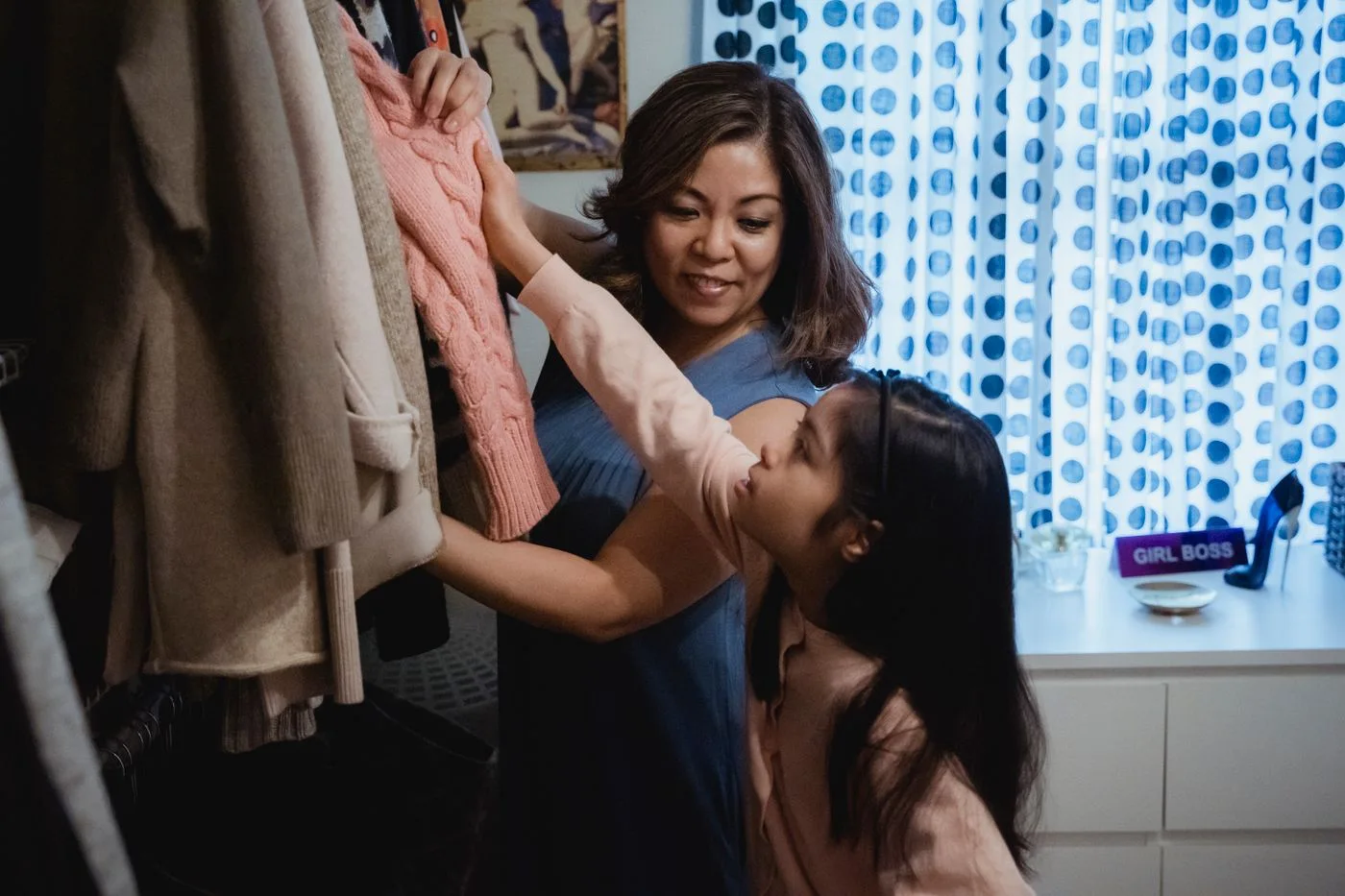
Ask the child about practical preferences in a way that suits their age and understanding. A familiar texture or fastening may matter more than a coordinated color. The adult remains responsible for appropriate clothing and any necessary supervision; the aim is a manageable shared choice, not a promise that one routine will eliminate every difficult morning.
Make each option complete
Put together a small number of complete suitable options, including the ordinary layers and accessories actually needed. Check that socks and the relevant shoes can be found. A top laid out alone may still leave several decisions and searches for the morning.
Use an existing suitable shelf, hanger or clearly defined position. Keep the arrangement out of walking routes and away from anything that makes storage inappropriate. A special outfit organizer is optional. The useful feature is that everyone knows where the choices are and that the selected clothes belong to the current plan.
Check fit and fastenings without a rush
If a garment's fit is uncertain, check it at a calmer time before relying on it for the next morning. Follow the clothing's care information and any relevant activity requirements. Do not assume a size label guarantees that the piece will be comfortable or practical for the child now.
Keep unsuitable pieces separate from the active choices until a decision can be made. Clothing waiting for repair or a different season should not repeatedly return to the easy-reach section by accident. A small clearly identified collection can be more useful than an overfilled wardrobe that mixes current clothes with several future possibilities.
Choose a clear handover
Agree where the selected outfit will wait and what happens to the unused option. Return it promptly rather than letting a second outfit remain on a chair through the week. If another caregiver handles the morning, make the arrangement understandable without a long explanation.
Keep the choice flexible when plans change. A prepared outfit is a helpful starting point, not a rule that overrides weather, activity or comfort. Check the necessary practical information again in the morning when relevant. The system should reduce a search, not make adapting to a changed day more difficult.
Notice the repeated clothing gap
After several ordinary mornings, note what is repeatedly missing or rejected for a clear practical reason. This may reveal a need for another suitable everyday layer, a repair or a better storage position. Do not buy a larger collection before identifying the actual issue.
Our morning launch-pad guide connects clothing with departure essentials. The laundry guide helps current clothes return to the wardrobe. Let those existing routines support the small nightly preparation, rather than creating a separate system that depends on one adult remembering everything.
Keep the unused option in the current wardrobe rather than leaving it beside the chosen clothes. Otherwise a small nightly task can become several days of outfits spread across a chair. If a second caregiver takes over, show them the single ready position and where any necessary extra layer belongs. The arrangement should be understandable even when the person who prepared it is not present the next morning.
Outfit-choice questions
Does the child need a choice every night? Use a routine appropriate for the household and the child. Some days have specific requirements, and some children prefer a simpler arrangement.
Should outfits be prepared for the whole week? It may suit some households, but changing plans and clothing needs can make a shorter horizon easier. Test a small preparation step first.
What if both options are rejected? Look for a practical concern such as fit, texture or the activity planned. Avoid treating the organizer itself as the solution. The clothes and the conversation matter more than the number of labeled compartments.