
Give a Book Without Turning It Into an Assignment
Give a book with a personal note rather than an unspoken assignment, checking the recipient’s actual copy and preferences before a thoughtful family gift becomes another task.
Shopping note: The retailer links in this article are ordinary links. We are not currently using affiliate tracking. If a link earns us a commission in the future, we will label it. Our disclosure.
Choose the book for the real recipient
A book can be a personal family gift without a promise that it will produce a particular result. Begin with the recipient's actual interests and any expressed preference about format. Check whether they already own or have read it before buying another copy.
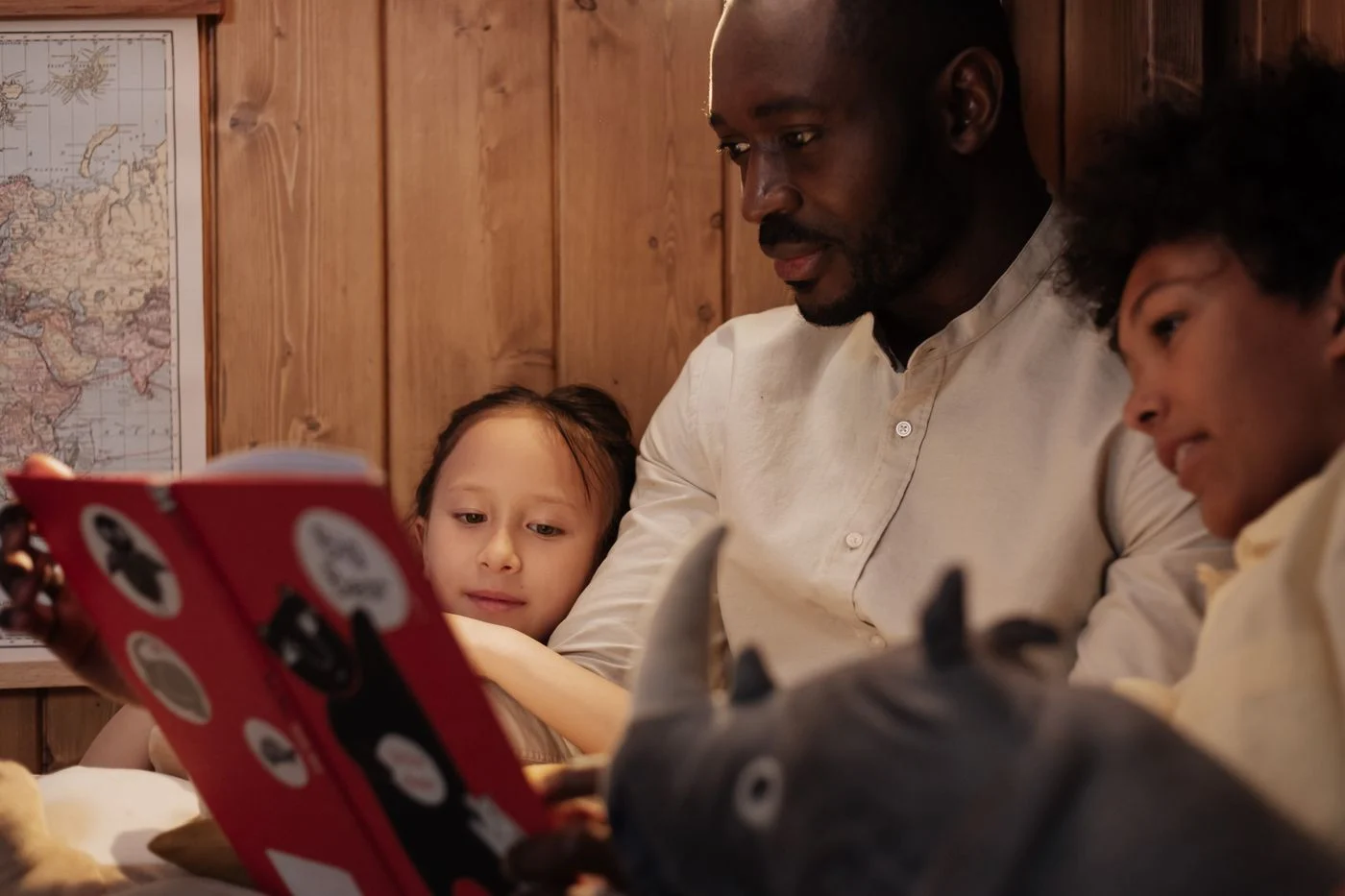
For a child, the responsible adults should consider the actual book, product information and circumstances appropriately. A photograph of shared reading is not evidence that a particular title suits every age or household. Keep those choices grounded in the people who will use the gift.
Identify the actual copy
Record the title, author and edition or format where it affects the content received. Similar covers and familiar series names can hide meaningful differences. Use accurate current publisher or retailer information for the copy being considered rather than a generic image.
If you are unsure about a preference, ask. The package can still contain a personal surprise without relying on an avoidable mismatch. A direct answer may be more useful than guessing that every reader wants a large hardback or another digital title.
Explain the connection modestly
A short note can mention the conversation, subject or shared moment that prompted the choice. Keep the detail genuine. There is no need to claim that the book will transform a routine, teach a specific skill or become the recipient's favorite.
Use words suited to the actual relationship. A familiar sentence can communicate care more clearly than a formal dedication borrowed from a template. Plain retained stationery is enough if the message is readable and has the recipient's preferred name.
Remove the hidden obligation
Read the draft for a required response: a review, a reading deadline or a report about what the recipient learned. Unless a shared plan has genuinely been agreed, leave those tasks out. The person can enjoy the gift in their own way and time.
An invitation to talk about the book can remain optional and clear. It should not make the gift's success depend on completing a performance for the giver. Keep shared reading suggestions separate from claims about the outcomes they will produce.
Preserve practical choices
Include appropriate product identity and any relevant gift receipt where it can be found. Check actual current retailer arrangements if the purchase depends on them. A previous shopping experience does not establish the same terms for this copy.
After wrapping, check that the note belongs to the correct gift and that necessary information remains with it. The useful result is an identifiable book chosen for a real person, with a modest explanation of why they came to mind. A family gift can carry warmth without a new homework task attached, leaving the recipient's own choices at the center of the exchange.
Related reading
Thoughtful Host Gifts for the Dinner You Were Invited To, Set Up a Comfortable Shared Reading Session.