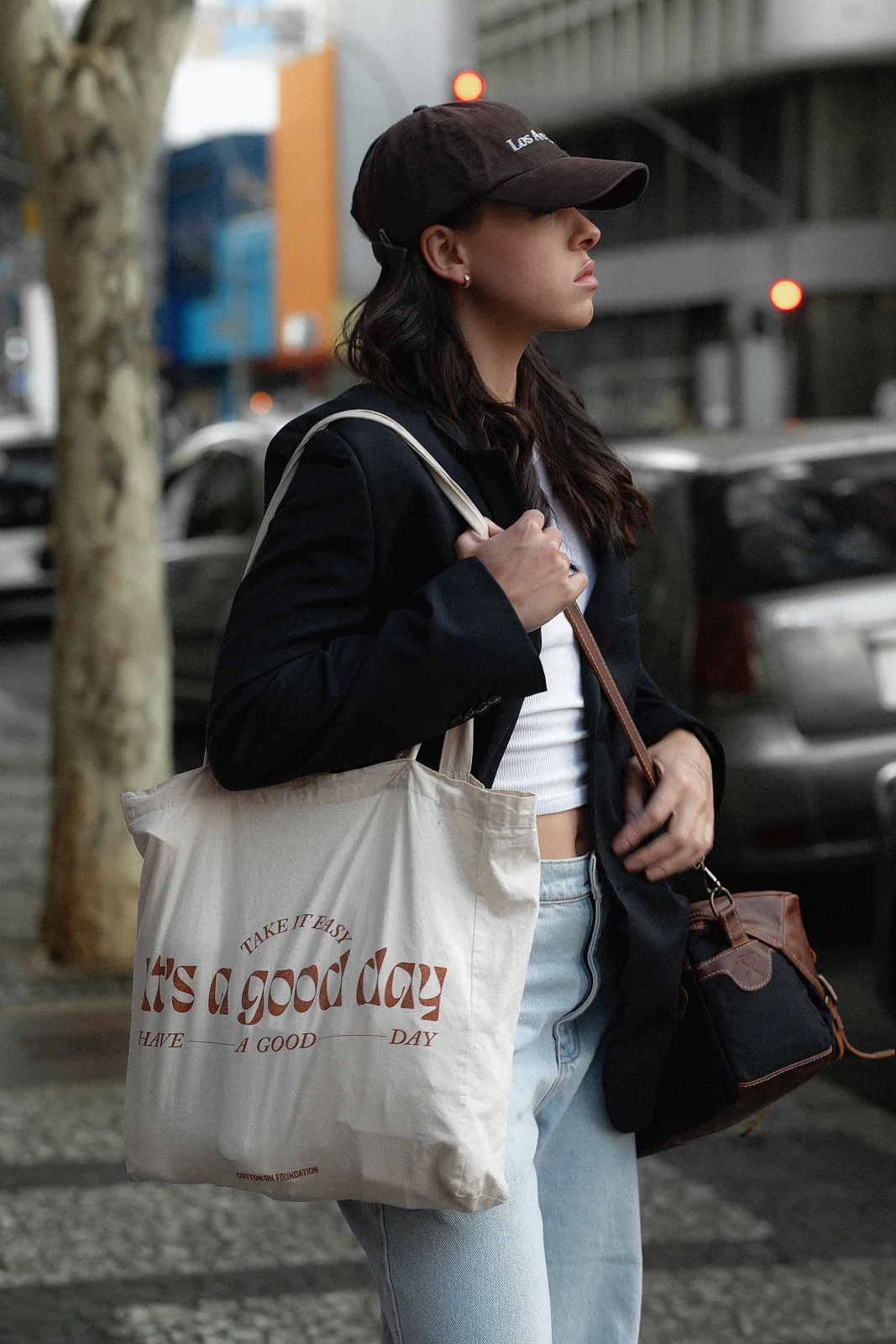
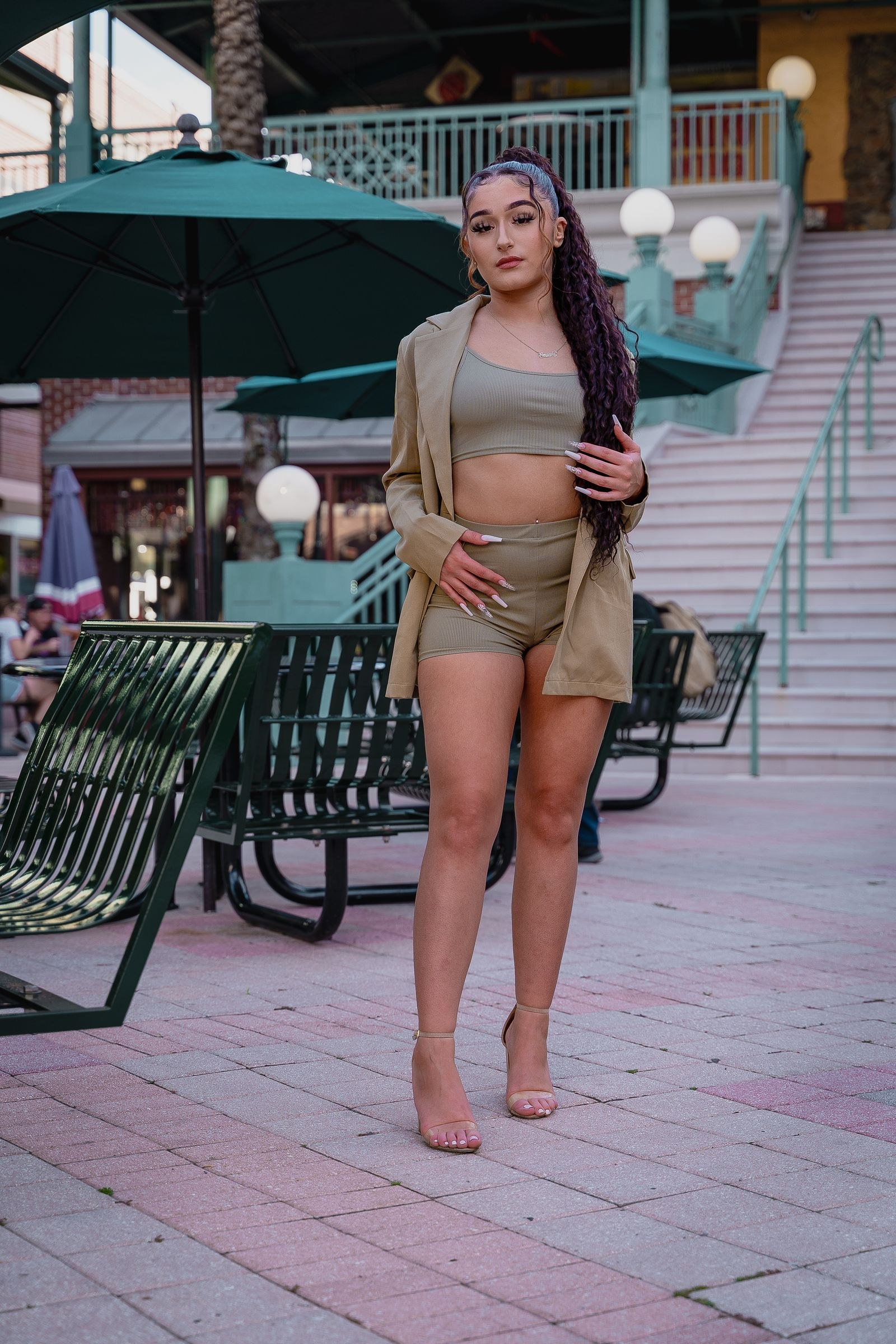
Compare a Blazer and Shorts as One Complete Outline
Compare a blazer and suitable shorts as one complete outline, keeping the actual setting, shoes and base steady before deciding whether another matching piece is needed.
Shopping note: The retailer links in this article are ordinary links. We are not currently using affiliate tracking. If a link earns us a commission in the future, we will label it. Our disclosure.
Choose the actual setting first
A blazer-and-shorts combination should follow the real plan rather than an assumption that one photograph suits every occasion. Consider the person's needs and any relevant setting expectations, then choose suitable retained garments for the comparison. A visual outline is a preference, not proof of appropriateness for another activity.
Begin with the actual shorts, top and suitable shoes. Keeping that base steady makes the blazer's contribution easier to see without assembling an unrelated wardrobe around a new idea.
Keep a concrete comparison note
Use the actual plan as the heading, then name the suitable shorts, top and shoes before comparing the jacket. Look at the same base with the layer removed. If the context calls for another appropriate outfit, keep that honest outcome instead of preserving the photograph as a commitment. A useful comparison can end with choosing retained clothes that serve the setting more clearly.
Look at the full outfit
Compare the actual jacket edge and visible shorts together from an ordinary full view. A close image of the upper half may omit the relationship that matters most. There is no universal length ratio every person must reproduce.
Name the local question specifically: the amount of top showing, the jacket outline or another genuine feature. A clearer description is more useful than deciding the whole group feels wrong and replacing every component at once.
Keep the retained colors in view
Look at the real tones together in ordinary light. A matching-looking set in separate product images may create another relationship in the actual outfit. Exact coordination is optional, and a deliberate retained contrast can be equally useful where the garments serve the plan.
If several suitable blazer options exist, compare one at a time while the base stays steady. Changing the top, shoes and accessories simultaneously can conceal whether jacket shape or color created the result you prefer.
Include the removed-layer outfit
Consider the top and shorts when the blazer comes off. The base should serve the actual indoor activity independently of the arrival view. Keep any genuine garment fit or condition question separate from decoration, with appropriate assistance where needed.
Choose the bag around the real contents and relevant product information. An appealing accessory outline does not establish capacity or suitability, and another matching purchase should not become a compulsory way to make the retained pieces agree.
Preserve one useful option
Record the actual garments, suitable shoes and activity if the combination serves a recurring plan. A broad note such as light blazer with shorts may hide several different shapes and requirements. Keep the reminder specific but modest enough to use.
What if the actual setting calls for another outfit? Choose appropriately and preserve the idea for a plan it serves. What if the simplest retained version feels best? Keep it without adding a decorative detail for an imagined rule. A considered blazer-and-shorts comparison gives familiar pieces one clear relationship while leaving the person and real day central.
Return each garment through its own care guidance after use. A saved combination remains an outfit idea, while the actual condition of the products determines whether it is ready next time.
Related reading
Choose an Outfit for a School Meeting From Clothes You Own, Getting Dressed Again When Your Old Wardrobe No Longer Feels Right.