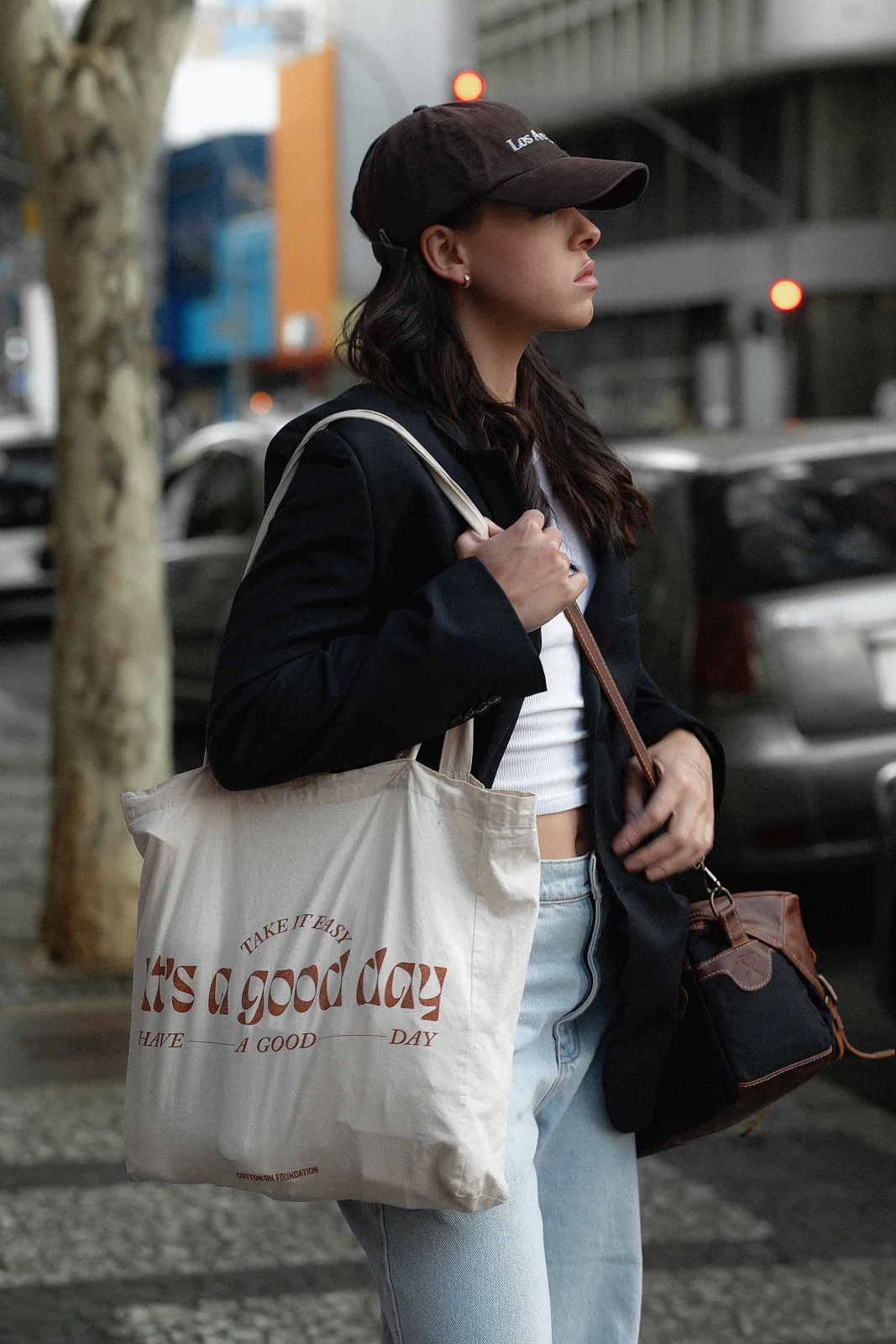
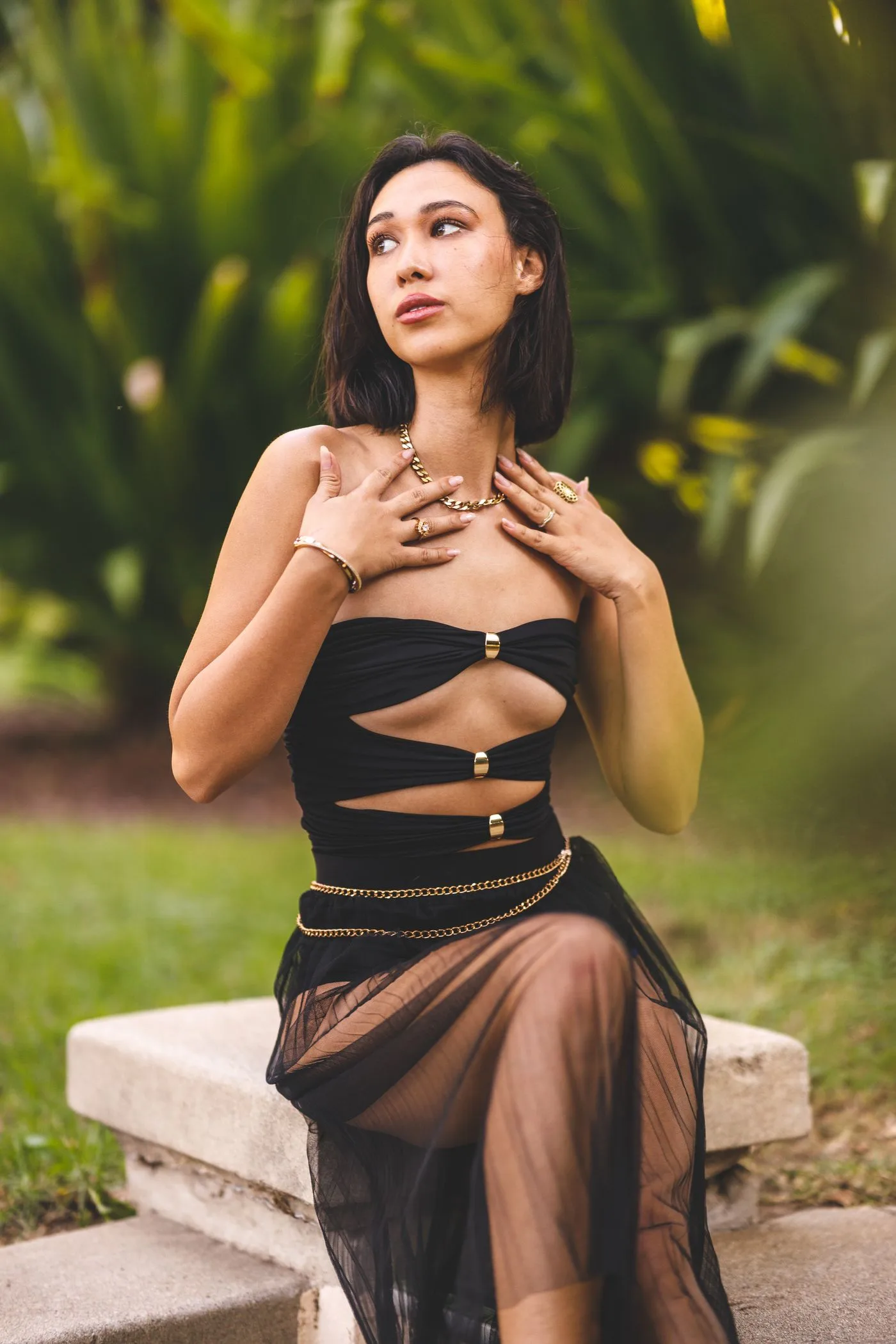
Choose One Small Accessory for a Black Dress
Choose one small accessory for a suitable black dress, keeping the actual plan and familiar retained pieces ahead of a complete new occasion-shopping list.
Shopping note: The retailer links in this article are ordinary links. We are not currently using affiliate tracking. If a link earns us a commission in the future, we will label it. Our disclosure.
Give the dress a real plan
A black dress does not automatically require a large accessory group to become useful. Begin with the suitable retained garment and the person's actual activity. Choose the appropriate shoes and any layer genuinely needed before deciding whether another visual detail is wanted.
The comparison is personal rather than a rule about what every dark outfit lacks. A quiet arrangement can remain complete, while a small familiar contrast may give the amount of detail you prefer.
Keep a concrete comparison note
Look at the suitable dress with the actual shoes and layer before adding one familiar detail. Compare the full view with and without that optional accessory. If the plain version already serves the preference, keep it. If the accessory helps, name whether it adds shape, tone or texture so the next invitation does not automatically generate a second object with the same undefined role.
Choose one retained detail
Try a suitable familiar accessory with a genuine role in the outfit. It may add a visible shape, a quieter tone or a modest texture. Keep the base steady so the local change remains understandable rather than attributing the effect to an entirely different group of purchases.
Look at the full outfit in ordinary light. A small piece can appear much stronger in a close photograph than it does beside the complete dress and person. Use the actual retained object rather than a broad memory of something similar.
Keep practical needs separate
If the accessory is a bag, choose it around the actual contents and relevant product requirements. A decorative shape does not establish capacity or suitability for the real day. If it is jewelry or another personal item, keep its genuine use and care information available where needed.
Do not ask a decorative detail to solve a fit or condition question about the dress. Seek appropriate garment assistance where the actual issue requires it. A clear distinction makes the comparison useful instead of expanding the accessory group around an unresolved base.
Include the outer-layer transition
Look at the outfit with the suitable jacket or coat and again when it is removed. The accessory may become more or less visible, but it does not need to dominate both views. The real indoor activity matters as much as the arrival image.
If the first detail feels too strong, compare a quieter retained option rather than adding several pieces to balance it. A single controlled change can give a clearer answer than combining a new necklace, bag and scarf simultaneously.
Keep the useful version modest
Record the actual dress, suitable base and chosen detail if the combination serves a recurring plan. A short note naming the occasion can be more helpful than a universal formula for every black garment. Return each item through its own care requirements after use.
What if no accessory adds something you genuinely want? Keep the quiet version without treating the outfit as unfinished. What if the actual day needs another dress or bag? Choose appropriately and preserve this idea for a plan it serves. A considered small accessory gives a retained black dress one clear personal relationship without turning the next invitation into a shopping program.
The saved combination remains an idea, while the real condition of each component determines whether it is ready to wear.
Related reading
Edit an Occasion Bag Around Your Own Essentials, Getting Dressed Again When Your Old Wardrobe No Longer Feels Right.