Choose a Puzzle Around Its Whole Working Footprint
Choose a puzzle around its whole working footprint, including loose pieces and the table’s next use so the finished picture size does not become the only buying reference.
Shopping note: The retailer links in this article are ordinary links. We are not currently using affiliate tracking. If a link earns us a commission in the future, we will label it. Our disclosure.
Begin with the actual activity
A puzzle's finished dimensions do not describe every part of the working arrangement. Before choosing one, consider the real people, suitable product and household setting. Use the actual age, safety and supervision information rather than assuming a familiar-looking puzzle suits every participant.
Keep the purpose modest. A short shared activity and a longer project may need different table arrangements, even when their finished pictures have similar sizes. The decision should reflect the session you intend to have, not only the image on the box.
Include pieces outside the picture
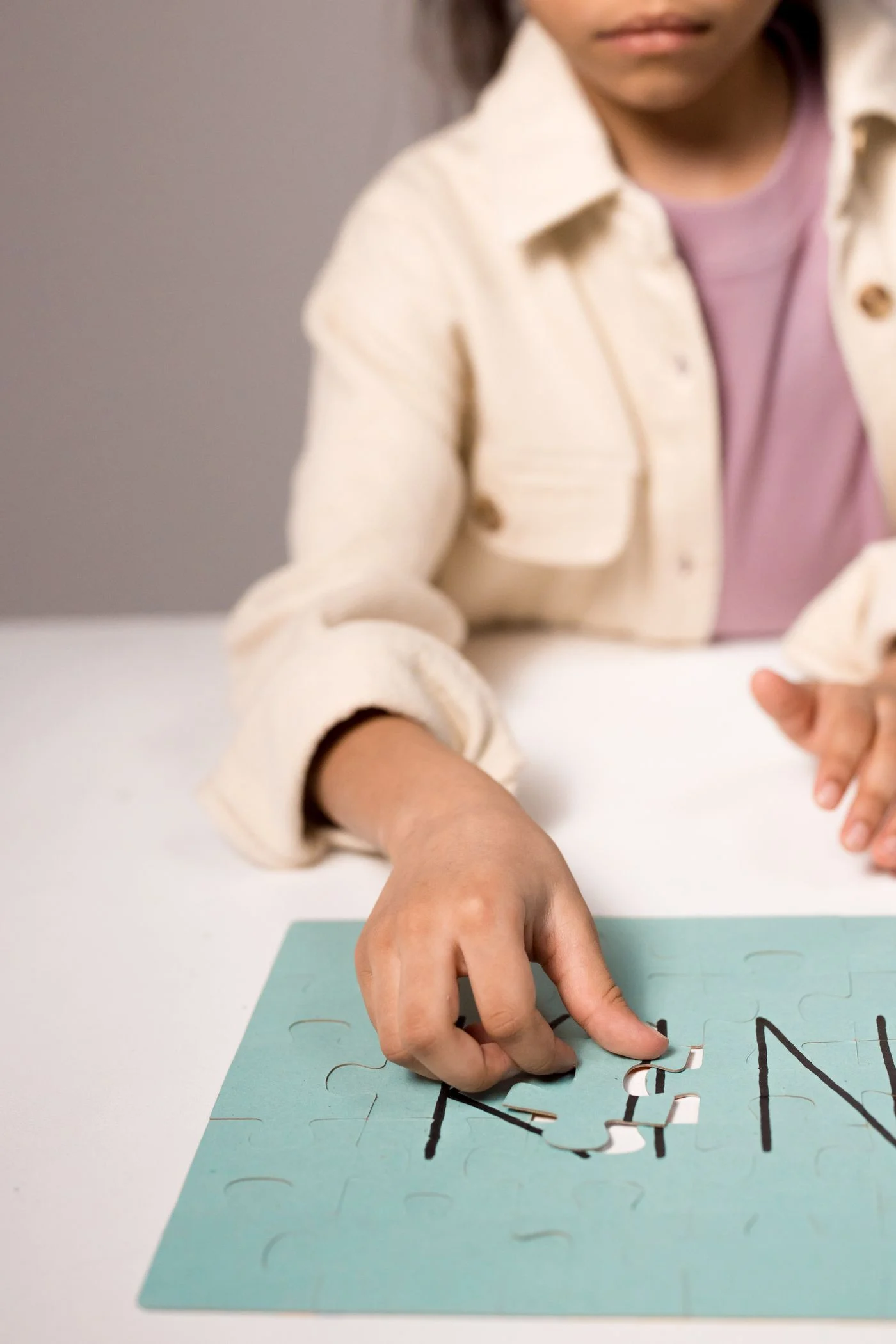
Look at where the actual loose components will be placed during use. A product may have its own board, compartments or instructions that shape this arrangement. Do not assume a generic tray or mat supports every puzzle simply because it has a large enough surface.
Keep pieces identifiable and appropriately handled, especially in a household with children or pets. The working footprint should not depend on scattering small parts into an unsuitable shared route. A clear suitable group is more useful than the maximum number of pieces that can fit in a photograph.
Check seated use
Compare the activity with the actual chairs and table area available. People need a suitable way to see and reach the work without the arrangement taking over necessary household space. Keep furniture within its design and capacity rather than improvising a perch for a better view.
Set out a dry reference of the appropriate equipment where useful. Include the actual product's dimensions and associated parts, not just an estimate from a box image. A clear measurement can prevent another organizer purchase intended to fix a footprint nobody checked.
Give the table's next role a place
Ask whether the surface is needed for dinner, schoolwork or another agreed activity. Choose a project duration and return arrangement that fits that use. A shared table should not become indefinitely unavailable because the puzzle was assumed to be nearly finished.
If the actual product supports a suitable pause method, agree it before beginning. Keep necessary information and components together without damaging or modifying equipment. A display board or transfer surface seen online is not automatically suitable for the real puzzle.
Close with a clear choice
Record the product identity, full working arrangement and how the table returns to ordinary use. If any requirement remains unclear, leave the purchase question open rather than guessing from the finished picture size.
The useful puzzle choice fits more than a rectangle. It has suitable participants, a place for components, an understandable pause or finish and a clear relationship with the household table. Those details can make a modest activity easier to begin without promising educational outcomes, requiring a permanent puzzle station or filling the room with equipment whose actual roles have not been defined.
Related reading
Set Up a Family Board Game Without Losing the Table, A Dining Table That Works for Dinner and Everything Before It.