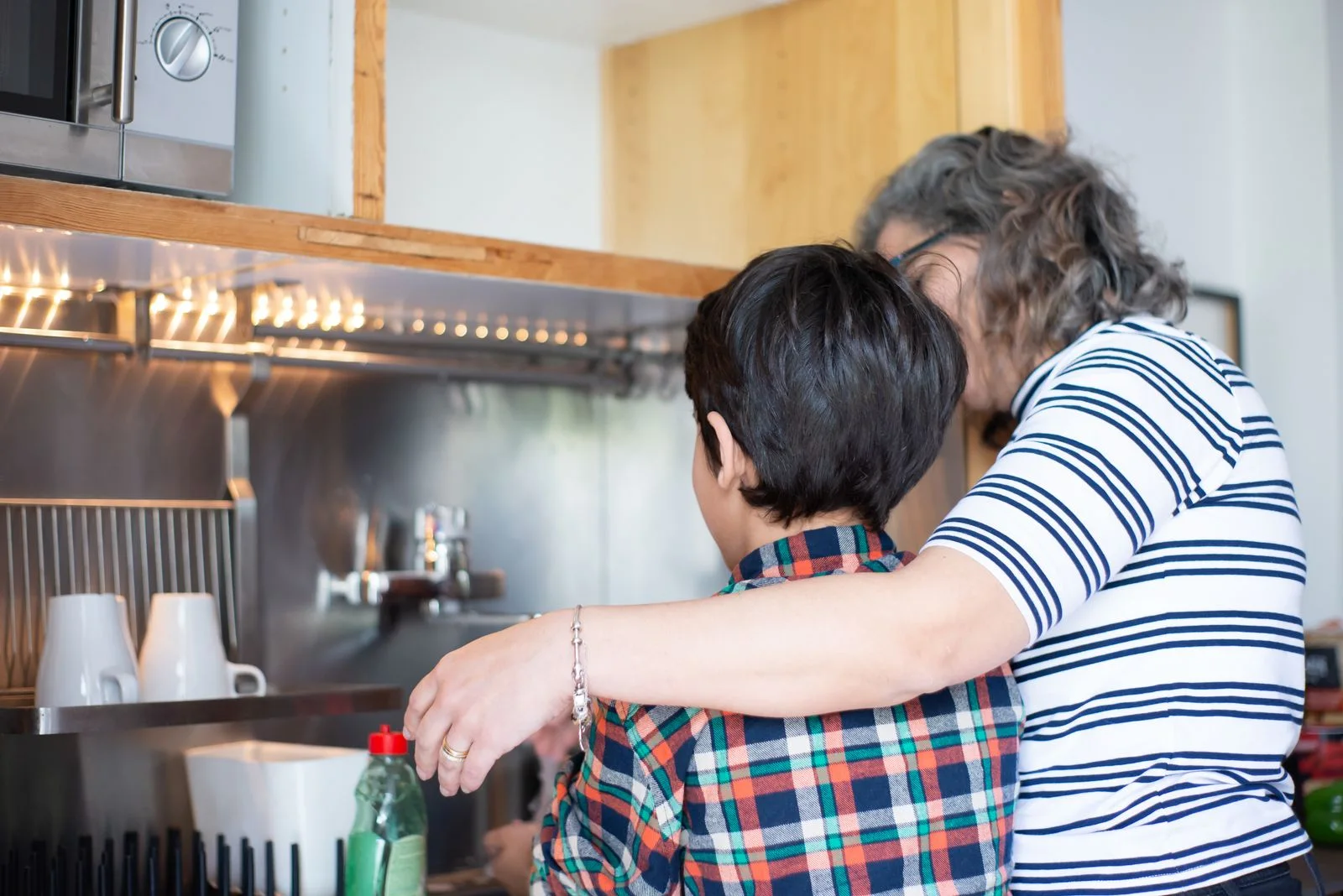
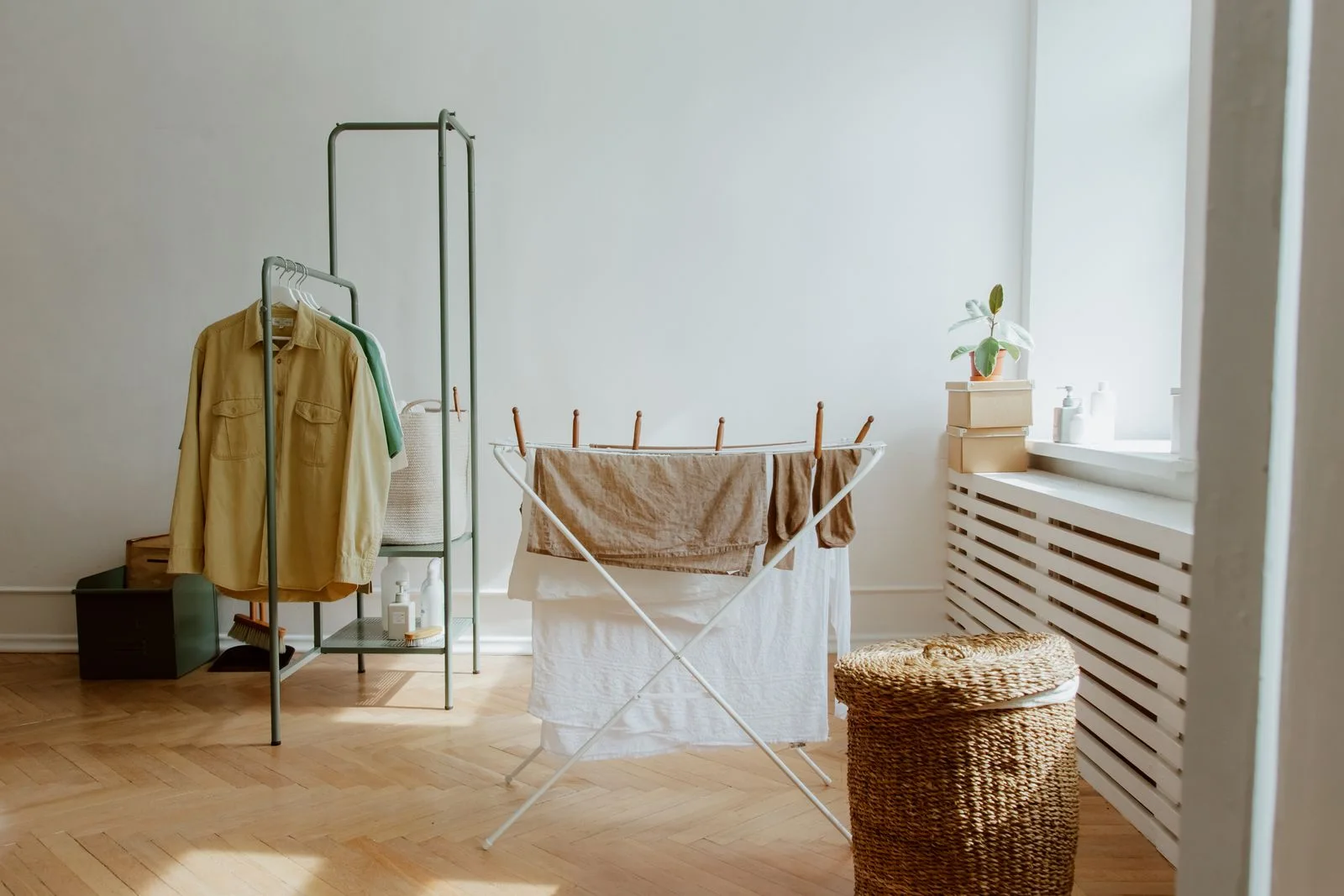
Empty Lunch Bags Before They Disappear Into the Hallway
Give lunch containers, used items and school papers separate destinations when the family returns home.
Shopping note: The retailer links in this article are ordinary links. We are not currently using affiliate tracking. If a link earns us a commission in the future, we will label it. Our disclosure.
Name the first return task
A lunch bag can disappear inside a backpack until the next morning's preparation begins. Give it a clear return task before the larger bag is stored. The responsible adult should establish what needs checking and how food and containers will be handled, with participation appropriate to the child.
Keep the task distinct from homework, laundry and the full after-school routine. One small visible destination for the lunch bag can make the next step easier to remember. A crowded counter labeled school things may not help if lunch containers, permission slips and damp clothing all land in the same pile.
Choose a suitable emptying position
Use a place that supports appropriate food handling and cleaning without blocking the main preparation area. Follow the relevant guidance for remaining food and do not assume every packed item can be kept or reused. Keep ingredients and any important information identifiable.
Separate containers from unrelated papers and personal belongings. If the bag has leaked, follow the care instructions for both the bag and contents. Do not hide the issue by closing the bag and returning it to a hook. A clear emptying position allows the household to notice what needs attention.
Send containers through their care routine
Read the containers' cleaning and drying instructions and keep the correct lids associated with their bases. Put used items in the defined cleaning position rather than adding them to the clean supply. Let the appropriate routine finish before packing the next meal.
Check the lunch bag's care requirements too. A reusable bag may need a different method from its containers. Inspect closures and seams during ordinary use and address damage appropriately. A neat lunch station is useful only when the equipment remains suitable for the job.
Return other contents separately
Move school notes through the family paperwork process and clothing through the relevant care routine. Keep any essential personal supplies under the appropriate adult control and handling requirements. Do not leave them indefinitely in a shared bag basket.
Give the empty bag a suitable storage or drying position according to its instructions. Keep the next day's packing area clear enough to use. The return is complete when the bag and containers are ready for their next appropriate use, not merely when they have been moved off the hallway floor.
Connect the task with arrival
Choose a natural point in the household's existing return routine and keep it predictable. If another caregiver handles arrival, make the destinations obvious. A simple note may help initially, but a long instruction chart can be unnecessary for a small repeated task.
Our after-school guide supports the first minutes at home. The paperwork guide keeps notes from mixing with food equipment. Review the point that repeatedly fails before buying another lunch organizer; the problem may be an unclear handover rather than a lack of storage.
Check the emptying position from the perspective of the person arriving with a backpack and other belongings. They should not have to clear a pile before beginning the return task. If space is limited, make one suitable landing area available at the expected arrival time rather than dedicating the whole counter permanently. Keep clean replacement equipment nearby but distinct from used items. Ask the caregiver handling the next morning to identify any recurring problem, such as a missing matching lid or a bag that has not completed its care routine, then adjust that specific handover.
Lunch-return questions
Does the child have to do every step? Use age-appropriate participation and the supervision required. The adult should handle decisions about food suitability and any task beyond the child's abilities.
Should the lunch bag stay in the backpack? Only when that fits the care and return routine. If it hides items needing attention, give it a separate clear destination.
What if the family arrives late? Keep a small essential return step that can still happen appropriately, then complete the remaining care tasks through a clear plan. Avoid letting an inconvenient evening erase the need to handle food and equipment correctly.