Make a Visiting Relative’s Seat Part of the Room Plan
A visiting relative may prefer a different seat from the one the household usually offers guests.
Shopping note: The retailer links in this article are ordinary links. We are not currently using affiliate tracking. If a link earns us a commission in the future, we will label it. Our disclosure.
Ask which seat works for the visitor
A visiting relative may prefer a different seat from the one the household usually offers guests. Ask about the actual arrangement without deciding that everyone of a certain age wants the same chair. The useful question is which available seat works for this visit.
Keep the conversation ordinary and respectful. Offer choices where possible and explain any limitation honestly. This is a room-planning decision, not an assessment of someone's health or a promise that a particular furniture shape suits every person.
Include conversation and the view
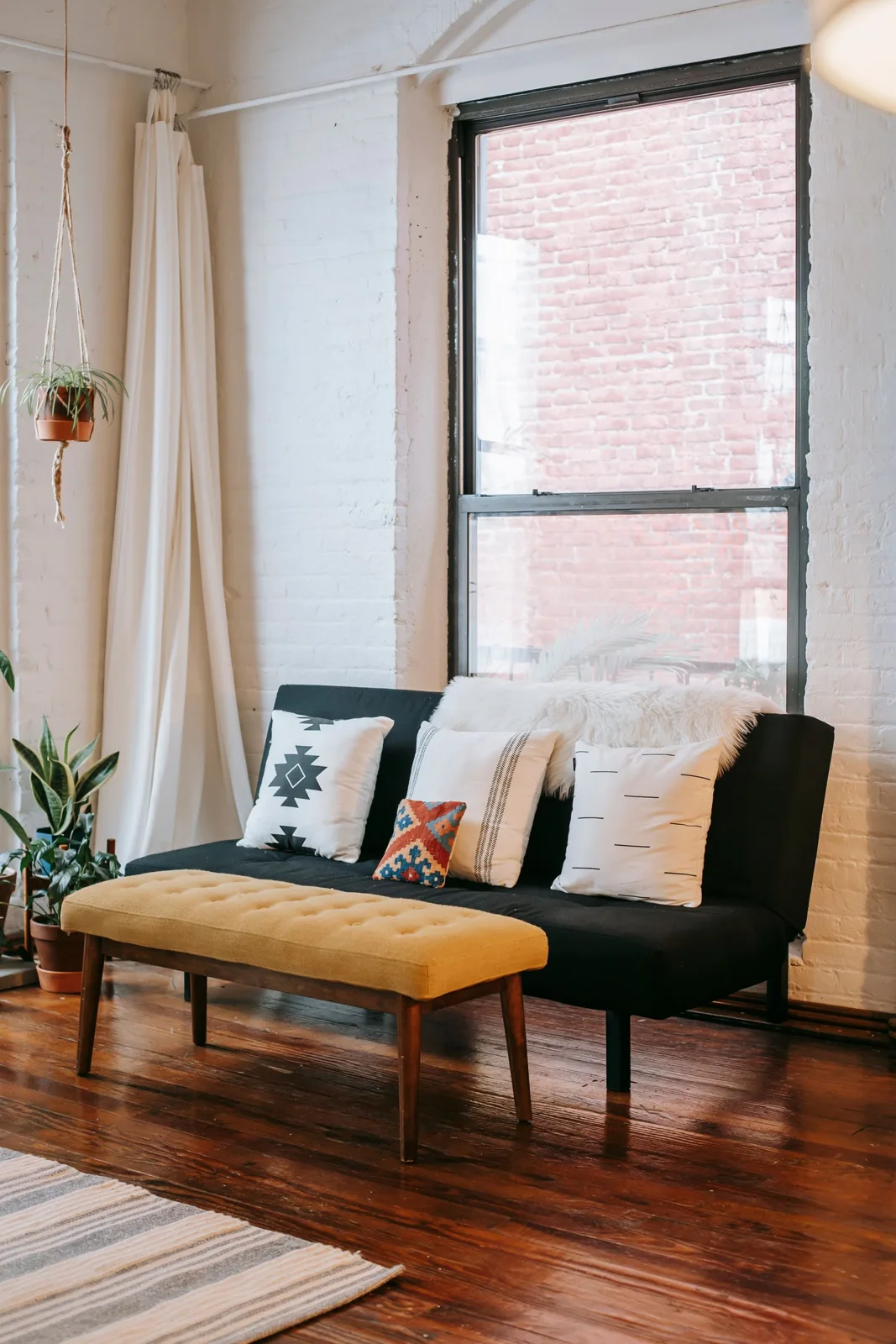
Sit in the proposed position while other people occupy their usual seats. Notice whether the visitor can join the conversation without the group continually turning away. A seat facing an attractive window may be less convenient during a shared meal or family catch-up.
Adjust the conversation group rather than automatically moving every large piece. A suitable existing chair can sometimes change angle while keeping necessary access clear. Follow the furniture's handling and setup requirements when considering any move.
Make nearby surfaces purposeful
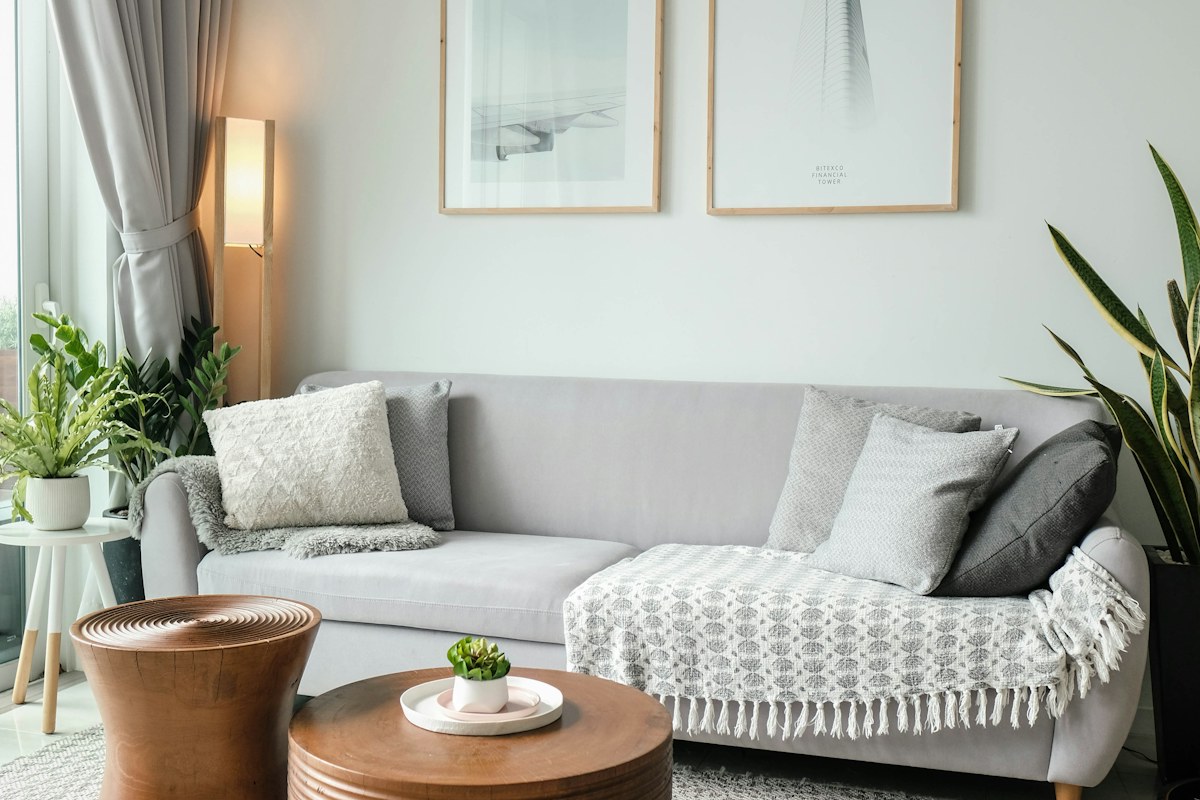
Ask whether a suitable surface for ordinary belongings would be useful. Include the actual items and their handling requirements when choosing its position. A tiny decorative pedestal may not provide the usable area shown in a staged photograph.
Keep drinks or other objects within their appropriate use arrangements. Do not crowd the visitor's seat with several welcoming accessories. Our family-room guide helps keep the shared activity visible in the wider layout.
Explain the household route
Show the visitor where relevant shared rooms are and which route the household uses. Keep bags, temporary toys and other objects from occupying necessary access. If a guest needs an arrangement beyond what the home can provide, discuss that directly instead of concealing the difficulty with extra furniture.
Include the rest of the group in the plan. A chair pulled forward for conversation may leave less room for another person to enter. Recheck the occupied room, not just the empty gap beside the sofa.
Review one concrete observation
After the visit, notice what actually worked. Perhaps the conversation flowed better from another angle, or the side table was unnecessary. Keep that observation available for a future visit without declaring the guest's preference permanent.
Our family time at home guide supports flexible plans. The point is a welcoming room that can respond to the person present. Buying a designated guest chair is optional when the existing arrangement already offers a suitable choice.
Visitor-seating questions
Should the host assign a seat? Offer practical options and ask the visitor what works.
Must furniture be replaced for occasional visits? First assess the real arrangement and its limitations.
Can a preference change? Yes. Confirm what suits the current visit rather than treating an earlier choice as a permanent instruction.