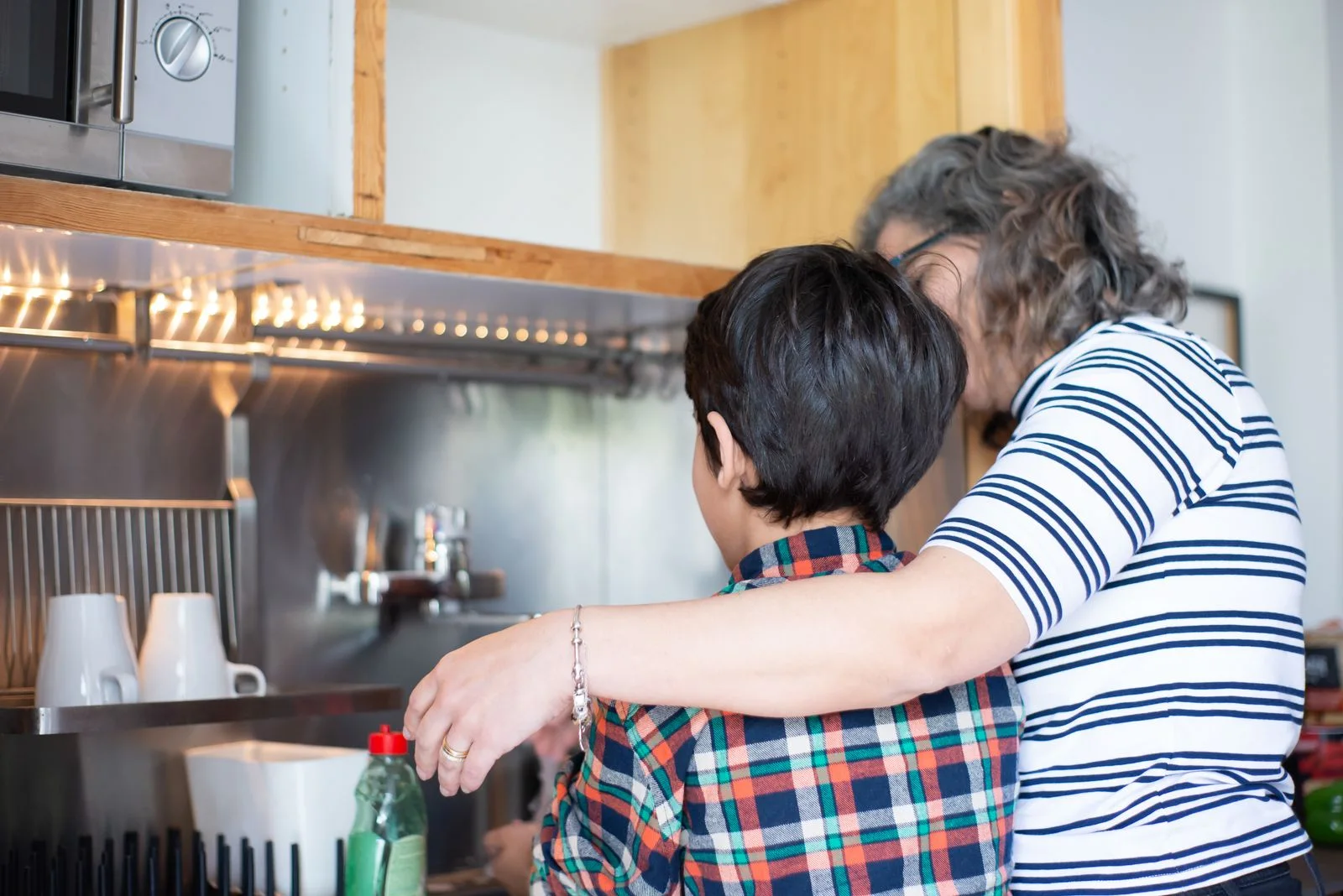
Read a Family Recipe’s Stages Before Dividing the Tasks
Read a family recipe’s stages before dividing the tasks, identifying the actions that can happen together and the equipment handover needed before another person begins.
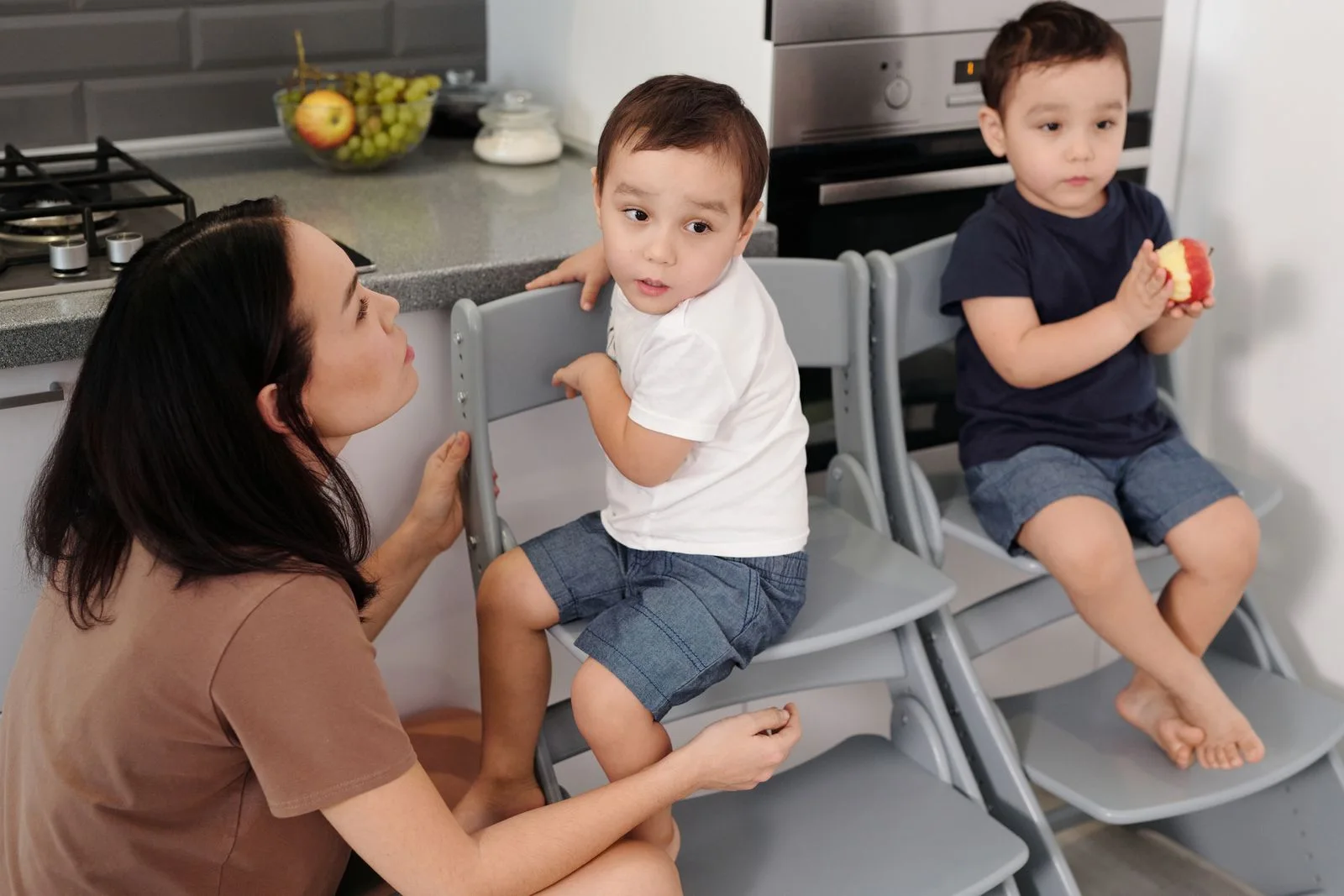
Shopping note: The retailer links in this article are ordinary links. We are not currently using affiliate tracking. If a link earns us a commission in the future, we will label it. Our disclosure.
A family recipe can contain several jobs without making them all independent. Someone needs the bowl another person is using, while a later ingredient has already been mixed into the wrong group. Read the full sequence before dividing the work so each helping role has a useful place.
Keep one actual recipe version
Agree which source and version the household is following. Keep the ingredient list and method together rather than taking one from a saved image and another from a different page. Similar recipes can have different yields, equipment and preparation order.
Read through the later stages before beginning the first one. A cooling, resting or finishing instruction may affect whether the activity fits the available time. Choose a different realistic recipe if the full method cannot be supported today.
Identify the first dependency
Name the action that must finish before the next task can start. It may involve preparing an ingredient, completing the pan setup or returning a tool in its required condition. A clear dependency is more useful than assigning each person an arbitrary ingredient.
Keep quantities linked to their actual stage, especially when a recipe divides one ingredient between uses. Do not combine everything with the same name into one bowl merely to simplify the setup. Preserve the method's distinctions so the next participant can follow them.
Assign suitable parallel work
Choose helping tasks appropriate to the people involved, with responsible adult handling and supervision where required. A family activity does not make every tool, hot surface or appliance stage suitable for a child. Keep roles specific rather than promising that everyone can do every part.
Parallel work should genuinely fit the space. One person can read the next instruction or prepare suitable serving equipment while another completes an active stage. Starting an unnecessary task to keep hands busy may fill the counter and slow the recipe instead.
State the handover condition
Explain when a shared bowl, board or tool is ready for the next action. Keep used equipment distinct from clean ready pieces and follow appropriate food handling and material care. Moving an item beside the sink does not communicate its status reliably.
Include the final recipe responsibility and clearing in the plan. The activity may continue after one helper leaves the kitchen, and that next stage needs an identified responsible person. Do not let a shared beginning conceal an unassigned finish.
After the meal or bake, discuss the first handover that caused confusion and adjust that detail next time. A useful read-through gives the family a common sequence, with genuine opportunities to help and a clear understanding of what must happen before the next action can begin.
Related reading
Choose the Family Baking Recipe Before Setting Out Equipment, Keep a Shared Recipe’s Working Version Clear.